

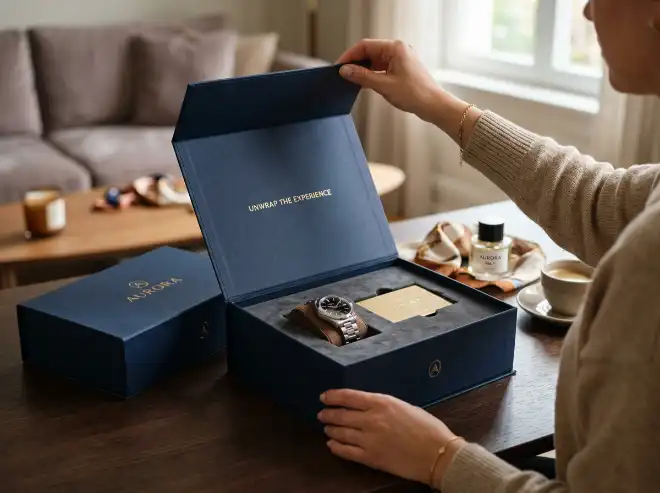
A magnetic gift box feels premium when the structure, opening tension, material surface, insert fit, and finishing details work together. For B2B buyers, the difference is not only about appearance. It also comes from how the box protects the product, supports brand value, and performs during sampling, packing, shipping, and retail presentation.
A good magnetic box should feel controlled in the hand. The lid should close with a clean snap. The product should sit securely inside. Small details decide the buyer’s first reaction.
Why a Magnetic Gift Box Feels Premium Before It Is Opened
A premium impression starts before the customer sees the product. When someone picks up a rigid box, they judge weight, edge alignment, surface texture, and lid movement within seconds.
For many packaging projects, buyers focus first on artwork. That matters, but the structure often carries more value than the printed design. A magnetic closure can make the box feel more refined because it creates a smooth opening and closing experience without ribbons, tuck flaps, or loose lids.
The box must feel steady. No wobble.
A well-made magnetic gift box often uses greyboard as the main structural material, wrapped with printed paper, specialty paper, or laminated paper. The board thickness, paper wrap tension, corner finish, and magnet placement all influence the final feel.
A buyer may describe the goal as “luxury,” but the factory needs more concrete details:
- Product size and weight
- Box opening direction
- Required inner height
- Insert material and cavity shape
- Surface paper type
- Printing and finishing method
- Packing quantity per carton
- Shipping route and handling risk
Premium packaging is built from these decisions. Not from one feature.
Magnetic Gift Box Structure: The Premium Feeling Comes From Control
A magnetic gift box usually has a rigid body, a hinged lid, and hidden magnets that help the lid close. The closure should feel firm, but not difficult to open. If the magnet pull is too weak, the box feels cheap. If it is too strong, customers may bend the lid or damage the wrapped paper.
Board Thickness and Box Weight
Greyboard thickness affects both durability and hand feel. A thicker board can make a box feel stronger, but it also increases material cost, box weight, and shipping volume.
Common rigid box projects often use board thickness based on the box size and product weight. A small jewelry box does not need the same board strength as a candle set or corporate gift set. Large boxes also need stronger corner control because long panels can warp during wrapping, drying, or storage.
For B2B buyers, the goal is balance. A box should feel solid without becoming expensive to ship.
Lid Alignment and Magnetic Closure
The opening experience is one of the main reasons buyers choose a magnetic box. The lid should align neatly with the base. The front edge should sit flat. The magnets should meet cleanly.
In our experience, magnetic closure issues often come from small production details:
- Magnet position is not confirmed during sampling
- Wrapped paper thickness changes the closing gap
- Insert height pushes against the lid
- Product weight shifts inside the box
- The hinge area is too tight or too loose
This is why sample checking matters. A magnetic closure is not only a design feature. It is a production detail.
Hinge Design and Opening Angle
The hinge changes how the box feels when opened. A loose hinge can make the lid fall back too quickly. A tight hinge may create paper stress at the fold area.
For premium gift sets, buyers often want a controlled opening angle because it helps the product presentation. This is useful for cosmetics, jewelry, candles, electronics accessories, corporate gifts, and seasonal gift sets.
A clean hinge makes the box feel intentional.
How Materials Change the Feel of a Magnetic Gift Box
The same box structure can feel completely different when the material changes. Paper wrap, lamination, texture, and finishing all affect how buyers and end users judge the package.
Paper Wrap and Surface Texture
A smooth coated paper creates a clean commercial look. Specialty paper can add texture and depth. Uncoated paper may feel more natural, but it needs careful handling because marks and scuffs may show more easily.
For responsible sourcing, some buyers may ask about paper traceability or certified materials. The Forest Stewardship Council is often referenced in paper packaging discussions when brands consider responsible sourcing and chain-of-custody requirements.
Material choice should match the product position. A skincare gift box may need a clean soft-touch surface. A wine accessory set may use dark paper with foil stamping. A corporate gift set may need a simple matte wrap with a clear logo.
Lamination and Touch
Lamination protects the printed surface and changes the touch. Matte lamination gives a soft, calm look. Gloss lamination can make colors look stronger. Soft-touch lamination can create a smoother hand feel, but it may need more care during packing to avoid scratches.
Buyers should not choose lamination only from a digital mockup. Physical samples help confirm the real surface effect.
Paper behaves differently under light. So does foil.
Foil, Embossing, and Spot UV
Finishing can make a magnetic box feel more premium when it is used with restraint. Foil stamping can highlight a logo. Embossing can add depth. Debossing can create a quiet brand mark. Spot UV can draw attention to patterns or product details.
The risk comes from over-design. Too many finishes can make the box look busy, increase cost, and create more QC points during production.
A focused finish often works better.
Insert Fit Is a Key Reason a Magnetic Gift Box Feels Premium
The outside of the box creates the first impression, but the insert controls the product presentation. A premium box can lose value quickly if the product moves inside or sits unevenly.

Many buyers run into this issue after the first sample. The box looks good, but the product fit feels wrong. The insert cavity may be too loose, too tight, too shallow, or difficult for customers to use.
That is why custom box inserts are often part of the magnetic box planning stage, not an afterthought.
Insert Options for Different Products
Different products need different insert structures:
| B2B Decision Point | Common Option | Premium Effect | Production Consideration |
|---|---|---|---|
| Heavy product support | EVA or foam insert | Holds product firmly | Higher cost and more fitting checks |
| Eco-focused presentation | Paperboard insert | Clean paper-based look | Needs accurate folding and cavity sizing |
| Multi-item gift set | Layered paper tray | Organized layout | Requires product size confirmation |
| Fragile product | Foam or molded insert | Better protection | Must test compression and movement |
| Retail display opening | Printed paper insert | Stronger brand presentation | Artwork alignment matters |
| Seasonal gift set | Multi-cavity insert | Better unboxing sequence | More sampling time needed |
The insert should match the product shape, product weight, and customer experience. A perfume bottle needs different support from a candle jar. A jewelry set needs different spacing from a snack gift box. A corporate gift set may need several cavities with mixed depths.
Product Fit and Tolerance
Product fit needs room for real-world variation. If the cavity is too tight, packing becomes slow and workers may damage the insert. If it is too loose, the product may shake during transit.
A small tolerance can decide whether bulk packing runs smoothly.
For gift sets, buyers should send exact product dimensions, product weight, and photos from different angles. For bottles, jars, tubes, candles, or accessories, a physical product sample helps the factory check the cavity more accurately.
The sample stage should answer one question: does the box hold the product the way the buyer expects?
Printing Artwork Can Make or Break the Premium Result
A premium magnetic gift box needs artwork that fits the structure. A flat design file may look strong on screen, but the final box includes folds, corners, hinge areas, wrapped edges, and opening panels.
Artwork Placement Around Edges
Rigid boxes often require paper wrapping around board edges. This means important artwork should not sit too close to fold lines, cut edges, or corners. Logos, text, pattern borders, and foil areas need safe spacing.
Buyers should check:
- Logo position on the lid
- Front panel alignment
- Wrap-around pattern matching
- Hinge area artwork
- Inside lid printing
- Insert printing direction
- Barcode or label placement if needed
A simple artwork mistake can affect the whole premium feel. Misaligned foil or an off-center logo is easy to notice.
Color Control and Sample Approval
Color can shift between screen design, digital proof, printed sheet, and finished box. Material surface also changes color perception. Matte lamination, soft-touch lamination, and textured paper can make the same color look different.
For repeat orders, buyers should keep an approved sample or color reference. For new projects, a pre-production sample helps reduce risk before bulk production.
Quality systems can also support repeatability. Some buyers reference ISO 9001 when discussing quality-management expectations with suppliers, especially for process control and documentation.
Magnetic Gift Box vs Other Gift Box Structures
A magnetic box is not always the right choice. It works well when the buyer wants a strong unboxing experience, reusable structure, and premium presentation. Other structures may be better when the project needs lower cost, flatter shipping, or simpler retail packing.
For example, mailer boxes can be more suitable for eCommerce shipping because they are easier to pack and protect during courier handling. folding boxes may work better for lightweight retail products where flat packing and cost control matter. A drawer structure can create a different opening experience, so some buyers compare drawer box vs magnetic box before confirming a premium gift packaging plan.
When a Magnetic Gift Box Is a Strong Choice
A magnetic gift box is often suitable for:
- Premium skincare sets
- Jewelry gift boxes
- Candle gift boxes
- Corporate gift sets
- Electronics accessories
- Seasonal retail gift packs
- PR packaging and influencer boxes
- Luxury food or beverage gift sets
For product matching, buyers can also review products for magnetic closure gift boxes when comparing how different product categories fit this structure.
When Another Box Style May Work Better
A magnetic box may not be ideal when the buyer needs a low-unit-cost paper package, large-volume retail cartons, or a flat-pack structure with minimal hand assembly. In those cases, folding cartons, mailer boxes, or other paper packaging formats may be more practical.
The box should match the project goal. Not every product needs a rigid magnetic structure.
Production Checks That Protect the Premium Feel
Premium packaging depends on stable production. A sample can look good, but bulk production needs repeatable control. This is where factory experience becomes important.
Sampling Checks Before Bulk Production
Before confirming a magnetic box order, buyers should check the sample from several angles:
- Open and close the lid several times
- Check magnet strength and alignment
- Confirm the front edge sits flat
- Place the real product inside the insert
- Shake the box lightly to check movement
- Review paper wrap corners and edges
- Check foil, embossing, or print alignment
- Test packing into the export carton
This process does not need to be complicated. It needs to be specific.
Hand Assembly and QC
Rigid boxes often involve hand assembly steps. Workers may wrap paper, place magnets, form corners, attach inserts, clean surfaces, and pack finished boxes into cartons. Skilled handling helps reduce glue marks, scratches, uneven corners, and surface damage.
QC should include both appearance and function:
- Lid closing performance
- Surface cleanliness
- Corner wrapping
- Magnet placement
- Insert fit
- Color consistency
- Carton packing direction
- Quantity per export carton
Good QC protects the buyer’s retail presentation. It also reduces problems after shipping.
Shipping Protection Matters More Than Buyers Expect
A magnetic gift box may look premium in a showroom but still fail if export packing is weak. Rigid boxes can be damaged by compression, rubbing, humidity, or poor carton arrangement.
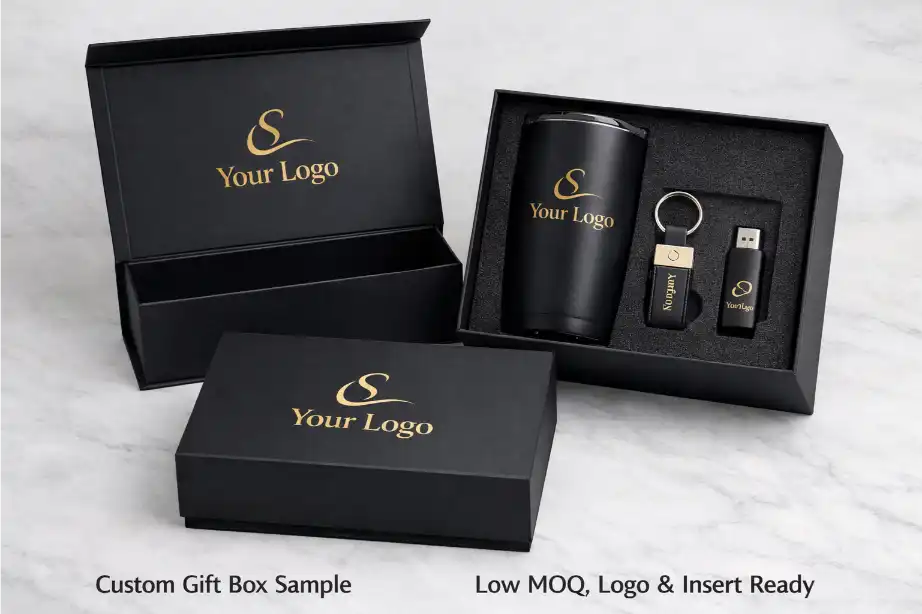
For international shipping, factories should consider carton strength, inner protection, stacking method, moisture control, and product movement. Buyers with strict transit requirements may refer to ISTA when discussing shipping validation, especially for packaged-product performance during distribution.
Export Carton Planning
A premium box surface needs protection from scratches. If boxes rub against each other inside the carton, matte or soft-touch surfaces may show marks. If cartons are overloaded, box corners may crush.
Export packing may include:
- Individual polybag or paper wrapping
- Corner protection when needed
- Proper carton size
- Layer dividers
- Clear outer carton marks
- Carton drop or compression checks when required
A beautiful box still needs a practical packing method.
What B2B Buyers Should Send Before Requesting a Magnetic Gift Box Quote
A clear inquiry helps the supplier suggest a better structure and avoid inaccurate pricing. Buyers do not need a complete technical file at the beginning, but several details make the discussion more efficient.
Send these details when possible:
- Product dimensions and weight
- Quantity range
- Target market or sales channel
- Preferred box style
- Reference photo or structure sample
- Insert requirement
- Printing artwork or logo file
- Finishing preference
- Packing method
- Expected delivery time
If the project involves a candle, fragrance, jewelry, cosmetic, or seasonal set, mention how the product should sit inside the box. For candle projects, this candle gift box guide may help buyers think through inserts, retail presentation, and protection.
For broader project discussions, buyers can also review Gifts Pack factory support to match the box style, insert plan, and production steps before sampling.
Final Decision: What Makes a Magnetic Gift Box Feel Premium?
A magnetic gift box feels premium when the buyer can feel control in every detail: firm board, clean edges, smooth closure, accurate insert fit, suitable paper wrap, restrained finishing, stable QC, and safe export packing. The best result usually comes from matching the structure to the product, not from adding more decoration.
Start with the product. Then build the box around it.
For B2B projects, the most useful next step is to confirm the product size, weight, box style, insert type, artwork direction, quantity, and shipping method. With those details, a factory can recommend a magnetic gift box structure that looks premium, packs efficiently, and supports the brand from sample approval to bulk delivery.

