
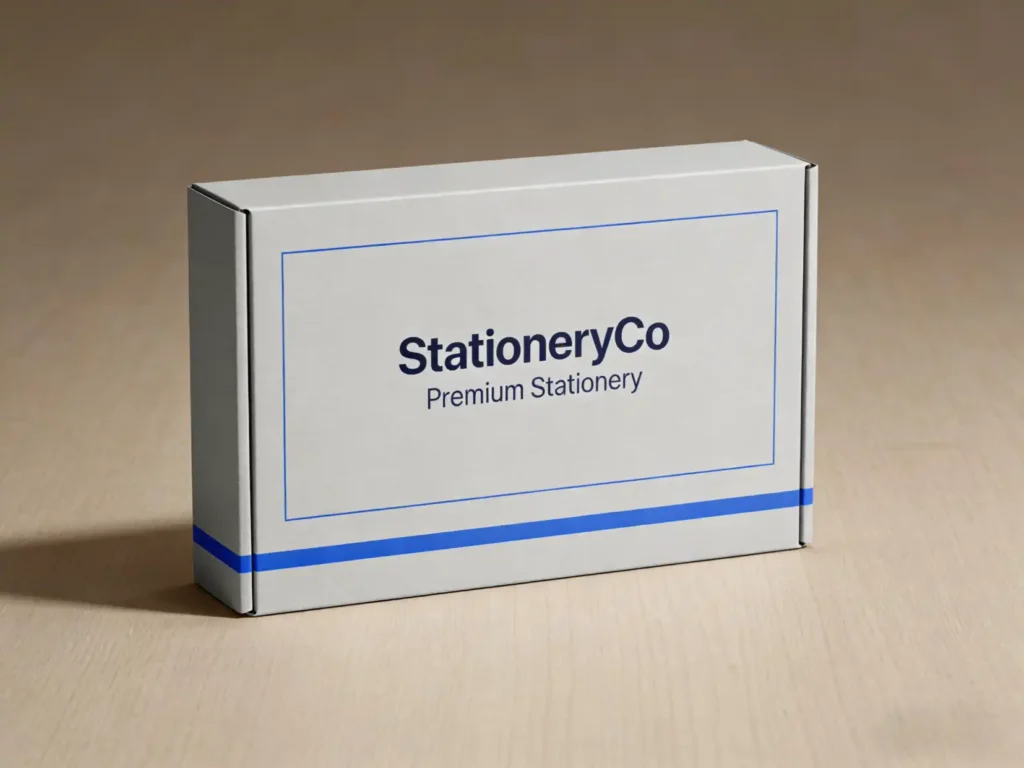
Are you worried your beautifully crafted stationery will get damaged during shipping? You've poured your heart into your designs, but standard packaging just doesn't offer the right protection or reflect your brand's quality.
The right custom shipping box does more than just protect your products; it creates an unforgettable unboxing experience that turns a one-time buyer into a loyal customer. It's the first physical interaction someone has with your brand, making it a crucial marketing opportunity.

I’ve spent 16 years in the packaging industry, and I’ve seen firsthand how the right box can make all the difference. It's not just about getting a product from point A to point B. It's about delivering an experience. For a product as personal and tactile as stationery, the packaging is part of the product itself. I want to share some of what I've learned to help you make the best choice for your brand. Let’s dive into how you can make your packaging work for you.
What materials are best for protecting delicate stationery in transit?
Worried that your delicate paper goods or custom pens will arrive bent or broken? Standard flimsy envelopes or oversized boxes often lead to customer disappointment and costly returns, damaging both your products and your reputation.
The best materials for stationery are corrugated cardboard and rigid paperboard. Corrugated cardboard is lightweight, strong, and offers excellent cushioning, making it ideal for shipping. Rigid paperboard provides a premium, sturdy feel perfect for presentation boxes that also need to be shipped.
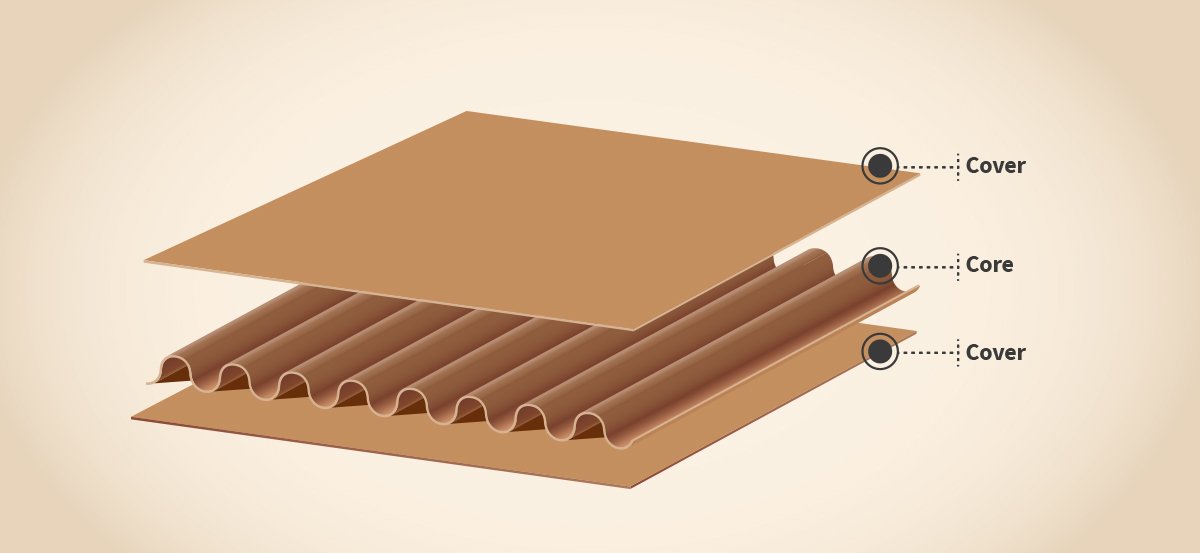
Choosing the right material is a balance between protection, presentation, and cost. For my clients, especially those shipping delicate items like wedding invitations or fountain pens, I always start by asking about the customer's journey. Will the box be shipped directly, or will it be placed inside another larger box? For direct shipping, corrugated cardboard is the clear winner. It's engineered for durability. Think of the wavy layer, the "flute," sandwiched between two flat liners. This structure is amazing at absorbing impacts and resisting punctures. We can even choose the thickness of the flute to match the level of protection you need. For heavier items like a set of journals, a thicker flute is better. For a single notebook, a thinner, "micro-flute" provides a sleek look without sacrificing safety. It’s all about matching the material to the specific product to ensure it arrives perfectly every time.
Material Comparison for Stationery Boxes
| Material | Best For | Key Benefits | Considerations |
|---|---|---|---|
| Corrugated Cardboard | Direct shipping, bulk items | High durability, cost-effective, recyclable | Can feel less luxurious |
| Rigid Paperboard | Gift sets, luxury items | Premium feel, excellent for printing | Higher cost, often needs an outer shipper |
| Folding Carton | Lightweight items, retail | Lightweight, easily printed | Offers minimal shipping protection |
How can design choices make your stationery box unforgettable?
Does your current packaging look generic and fail to stand out? When your box arrives looking like every other package, you miss a huge opportunity to make a lasting impression on your customers.
Your box design should tell your brand’s story. Use your logo, brand colors, and a unique pattern or message to create an immediate connection. A well-designed box feels like a gift and makes the customer feel special, enhancing their overall experience before they even see the product.

I remember working with Peter, a talented product designer who was creating packaging for a high-end journal brand. He knew the unboxing experience had to be perfect. We didn't just slap a logo on a brown box. Instead, we thought about the entire process. We started with the exterior, choosing a matte finish with a simple, elegant logo foil-stamped in the center. It created a sense of anticipation. But the real magic happened on the inside. When the customer lifted the lid, they were greeted with a vibrant, full-color pattern that matched the journal's cover design. It was a complete surprise and an instant "wow" moment. This inside-print technique is one of my favorite ways to add a layer of delight. We also talked about functional design elements, like adding a custom insert to hold a pen perfectly in place next to the journal. This not only protected the items but also presented them beautifully. It’s these thoughtful details that show a customer you care about their experience.
Key Design Elements to Consider
- Color: Use your brand's color palette consistently. A pop of unexpected color on the interior can be a delightful surprise.
- Logo: Your logo should be prominent but not overwhelming. Consider placement—top of the box, front panel, or even as a repeating pattern.
- Typography: Any text on the box should be easy to read and match your brand's font style. A simple "thank you" message can go a long way.
- Finish: A matte or gloss finish can dramatically change the look and feel of your box. Soft-touch coatings add a luxurious, velvety texture.
What are the key steps to ordering custom boxes for your stationery products?
Feeling overwhelmed by the process of ordering custom packaging? From choosing sizes to understanding artwork requirements, it can seem complicated and time-consuming, preventing you from getting the packaging your products deserve.
The process is straightforward: first, define your box size and style. Second, prepare your artwork according to the supplier's template. Third, request a sample to approve. Finally, place your full order. A good packaging partner will guide you through each step to make it easy.
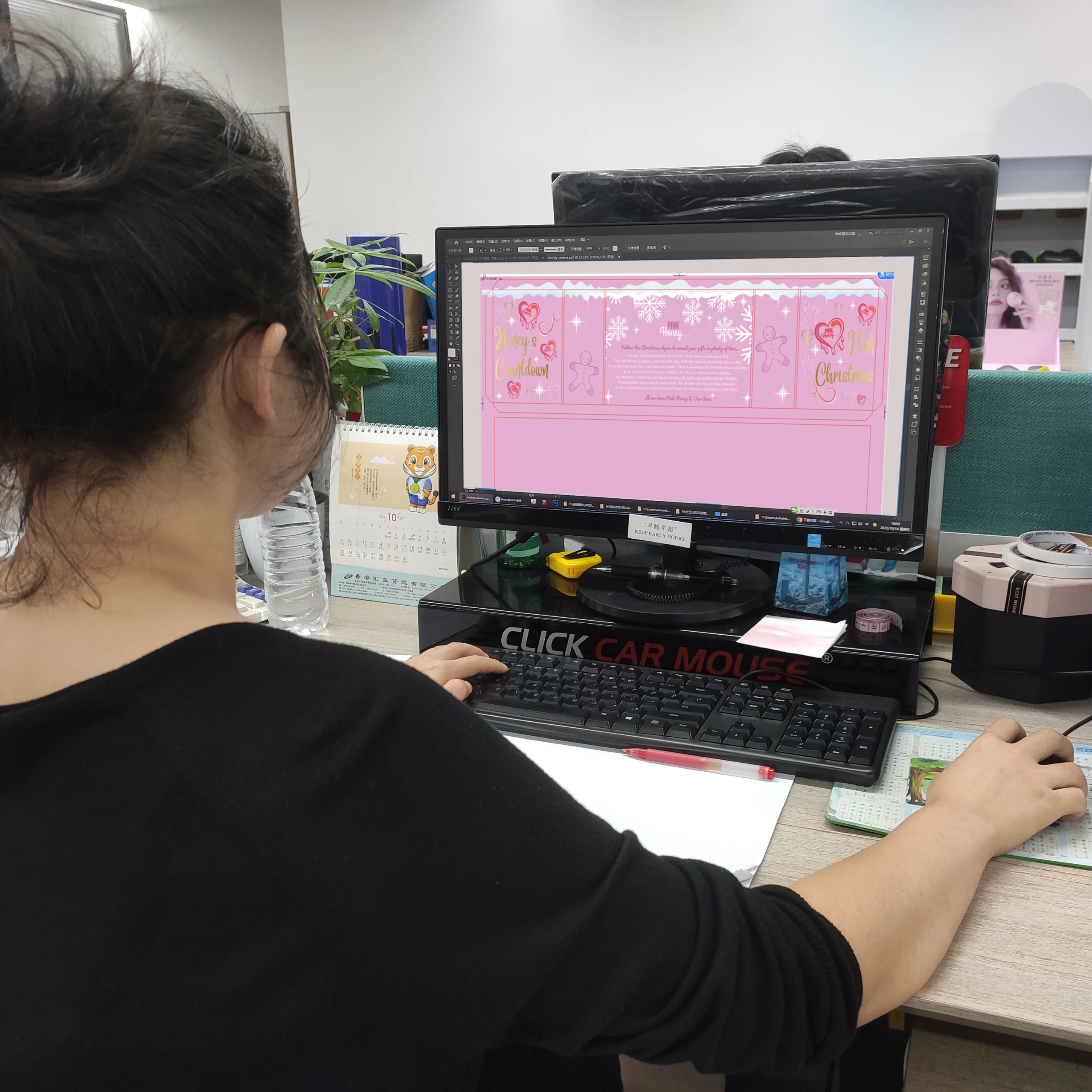
I always tell my clients, especially someone like Peter who has to balance design with production realities, that the key is breaking it down into manageable steps. Don't try to do everything at once. Start by getting your exact product dimensions. Measure the length, width, and height of what you'll be shipping. Add a little extra space, maybe 1/8 inch on each side, so the product fits comfortably. Next, think about the box style. A simple mailer box (like a pizza box) is great for many items. Once you have your size and style, we can provide a design template. This is a flat outline of your box that shows where to place your graphics. This is where your designer works their magic. After the design is done, the most important step is getting a physical sample. Seeing and feeling the box in person is crucial. You can check the colors, test the strength, and make sure your product fits perfectly. I never recommend skipping the sample step—it saves a lot of headaches later. Once you approve it, you're ready for the main production run.
Conclusion
Custom stationery shipping boxes are an essential tool for protecting your products and building your brand. They create a memorable experience that your customers will love and remember.

