
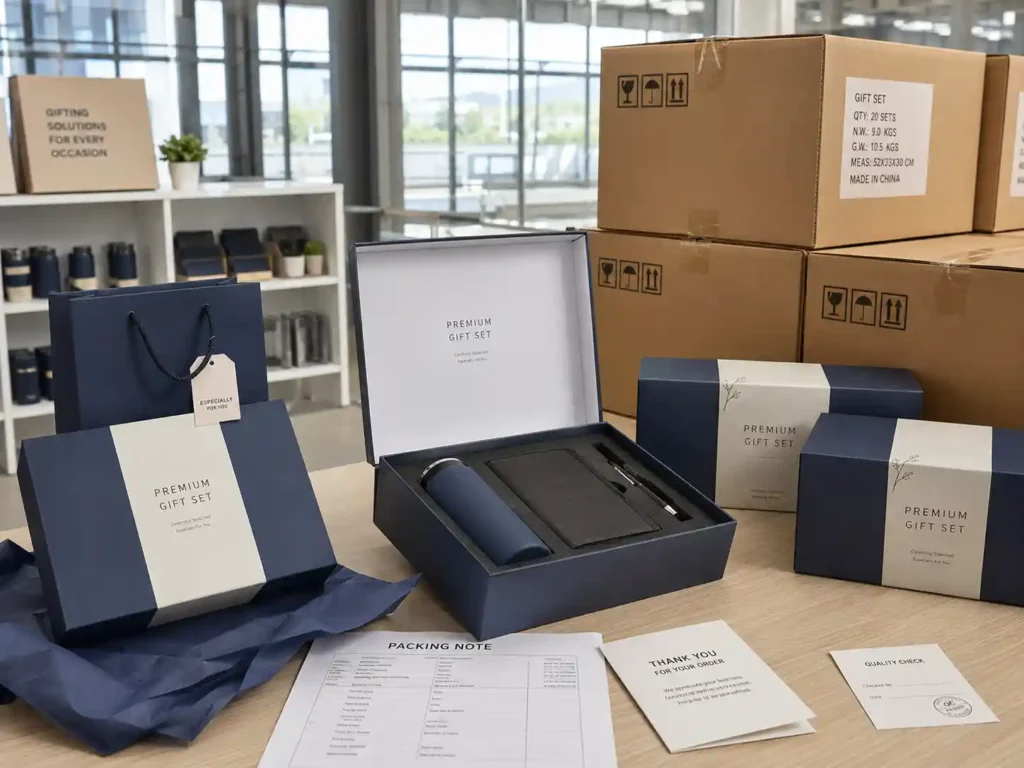
A premium packaging box has to protect the product, support the selling price, and make the first opening feel controlled. The right style depends on product weight, retail channel, artwork needs, insert fit, and how the packed box will move from factory to warehouse to customer.

Premium packaging box styles that support product value
A box can look expensive in a photo and still fail during packing, shipping, or shelf display. In our experience, the stronger premium projects start with structure before surface finish. Foil stamping, embossing, soft-touch lamination, and textured paper help, but they cannot fix a weak box style.
For high-value products, buyers usually compare several structures: magnetic gift box, drawer box, lid and base box, shoulder box, foldable rigid box, mailer box, folding carton, and multi-compartment gift packaging. Each one creates a different opening experience. Each one also affects cost, assembly time, insert design, carton packing, and bulk production speed.
Magnetic gift boxes for controlled presentation
A magnetic closure box is often used when the product needs a clean reveal and a stable rigid structure. The lid closes with hidden magnets, so the box feels secure without ribbons or external locks. This style works well for skincare sets, candles, jewelry, tech accessories, promotional kits, and premium retail gifting.
For projects where the box will be reused, magnetic gift boxes can create a stronger retained-value feeling than many lightweight paper boxes. The important details are board thickness, magnet strength, hinge alignment, wrap tension, and insert height. If the insert sits too high, the lid may not close flush. If the magnet placement is weak, the box can open during handling.
Drawer boxes for a reveal effect
A drawer box gives the product a slower reveal. This works well for jewelry, small accessories, beauty products, stationery sets, and sample kits. The sleeve protects the tray, while the pull direction adds a premium feel.
The trade-off is friction control. A drawer that slides too tightly slows packing and frustrates users. A drawer that slides too loosely can move during transport. For many projects, the choice between drawer and magnetic structures comes down to product weight, display angle, and opening experience. This drawer box vs magnetic box guide is useful when comparing structure, product fit, and gift presentation.
Lid and base boxes for flexible gift packaging
A lid and base box is one of the most flexible rigid gift box styles. It can be simple, clean, and suitable for many product categories. The lid can cover the base fully or leave a small reveal line to show a contrast color or paper wrap.
This style works well when the product has a clear top view and does not require a hinged opening. It also gives buyers room to adjust lid depth, base depth, insert height, and surface finish. For heavier products, the base board and corner wrapping need careful checking before bulk production.
Shoulder boxes for layered presentation
A shoulder box adds an inner neck between the lid and base. That small visible step can make the box feel more refined. It also helps guide the lid into place.
This structure is common for watches, jewelry, fragrance sets, cosmetics, and branded gift sets. The challenge is tolerance. The shoulder part must fit the lid and base with enough clearance for paper wrap, glue, and hand assembly. A small mistake in board thickness or wrap paper can make the lid too tight.
The product decides more than the design mood board. A glass bottle, a candle jar, a delicate accessory, and a folded scarf should not use the same inner packaging logic. The box style needs to work with the insert, not against it.
A good insert does three jobs. It holds the product in position, improves the reveal, and reduces damage risk. For high-value sets, we usually check product weight, surface sensitivity, center of gravity, and how the user will lift the product out of the box.
Custom box inserts can be made from paperboard, corrugated board, EVA, foam, molded pulp, or layered card. Paper-based inserts often suit gift packaging that needs a recyclable story. EVA and foam can offer stronger cushioning for fragile or heavier items, but they may not fit every sustainability brief.

Insert planning details buyers should confirm early
Product samples make insert planning much more accurate. A drawing helps, but it does not always show cap shape, bottle shoulder, label thickness, or surface finish.
Before sampling, prepare these details:
- Product length, width, height, and weight
- Number of items in the set
- Preferred product direction inside the box
- Whether products need finger notches or lifting ribbons
- Any fragile surfaces, sharp corners, or loose caps
- Retail display position and unboxing direction
- Expected shipping method and master carton packing
Small details change the result. A 2 mm insert height difference can affect lid closure. A cavity without enough finger space can make the product hard to remove. A heavy product placed near one side can make the box feel unbalanced.
Premium packaging box structure comparison
The table below gives a practical view of common premium box styles. It is not about choosing the most expensive structure. It is about matching the box to the product, sales channel, and packing method.
| Box style | Best for | Main advantage | Production point to check |
|---|---|---|---|
| Magnetic gift box | Gift sets, cosmetics, candles, accessories | Strong opening experience and reusable feel | Magnet position, hinge strength, lid closure |
| Drawer box | Jewelry, samples, compact products | Smooth reveal and shelf-friendly shape | Sleeve friction, pull tab strength, tray fit |
| Lid and base box | General gift packaging and retail sets | Flexible size and finish options | Lid tolerance, base strength, corner wrap |
| Shoulder box | Jewelry, fragrance, luxury sets | Layered look with a refined reveal line | Shoulder height, lid clearance, wrap thickness |
| Foldable rigid box | Larger gift sets and export projects | Saves shipping and storage space | Folding line strength, magnetic closure, assembly time |
| Mailer box | eCommerce gift sets and direct shipping | Ships well with branded presentation | Corrugated grade, locking tabs, transit protection |
| Folding carton | Lightweight retail products | Efficient for volume and flat packing | Paperboard stiffness, print registration, crease line |
A premium packaging box can be rigid, foldable, or corrugated. The structure should match the product journey. A retail shelf product may need a clean front panel and strong color control. A direct-shipping product may need crush resistance and fewer loose decorative parts.
Materials and finishes that affect the final result
Material selection starts with the box structure. For rigid boxes, greyboard thickness affects strength, weight, and edge quality. For folding cartons, paperboard stiffness affects how the box stands and closes. For mailer boxes, corrugated flute and board grade affect shipping protection.
Surface paper matters too. Coated paper gives strong print clarity. Uncoated paper can feel more natural but may absorb ink differently. Specialty paper can raise perceived value, but it may increase lead time or require testing before large orders.
For responsible sourcing claims, buyers often ask about FSC paper and documentation. The official FSC chain of custody system focuses on material traceability through the supply chain. If such claims will appear on packaging, the artwork, material choice, and supplier documents should be checked before printing.
Finishing can improve the box, but it should support the structure:
- Hot foil stamping works well for logos, borders, and small highlight areas.
- Embossing and debossing need enough paper and board support.
- Spot UV performs better on suitable coated surfaces.
- Matte lamination can reduce glare but may show scratches on dark colors.
- Soft-touch film can feel refined, but it needs handling tests.
Artwork also needs production thinking. Thin lines, heavy ink coverage, large foil areas, and tight registration between embossing and print can raise risk. A clean premium design often performs better than a crowded surface.
When mailer boxes and folding boxes make more sense
Not every high-value product needs a rigid box. For eCommerce, a structured mailer can protect the product and create a strong branded opening without a separate shipping carton. Mailer boxes work well for sample kits, subscription boxes, small gift sets, and products that need direct-to-customer delivery.
A mailer box should be judged by lock strength, corrugated grade, panel stiffness, and how the inner product is supported. For shipping-focused projects, it helps to review package validation resources such as ISTA test procedures, especially when products are fragile, heavy, or shipped through parcel networks.
Folding cartons can also be the better choice for volume retail packaging. Folding boxes are efficient when the product is lightweight and the sales channel needs flat packing, fast assembly, and strong print coverage. They are common for cosmetics, small accessories, food gifts, and retail display packs.
The risk is overloading the carton. A folding carton may look premium with foil and texture, but it still needs enough board stiffness and correct locking structure. For heavier items, a carton may need an inner tray, reinforced tuck area, or a different box style.
Seasonal packaging often needs more structure planning than standard gift boxes. Advent calendars, holiday gift sets, launch kits, and promotional boxes may include many products in one layout. The challenge is not only the outer box. It is the full system.
A multi-compartment project must answer these questions early:
- How many cavities are needed?
- Are all products the same size?
- Does each product need a door, drawer, tray, or window?
- Will the box stand upright or lie flat?
- How will the packed box fit into the master carton?
- Can workers pack the items quickly during bulk production?
For seasonal sets, advent calendar boxes show how structure, artwork, inserts, and product sequence work together. A premium calendar may use drawers, numbered doors, rigid frames, paperboard trays, or fold-out panels. The buyer should confirm the product list before dieline work starts. Changing product size after sampling can affect the full structure.
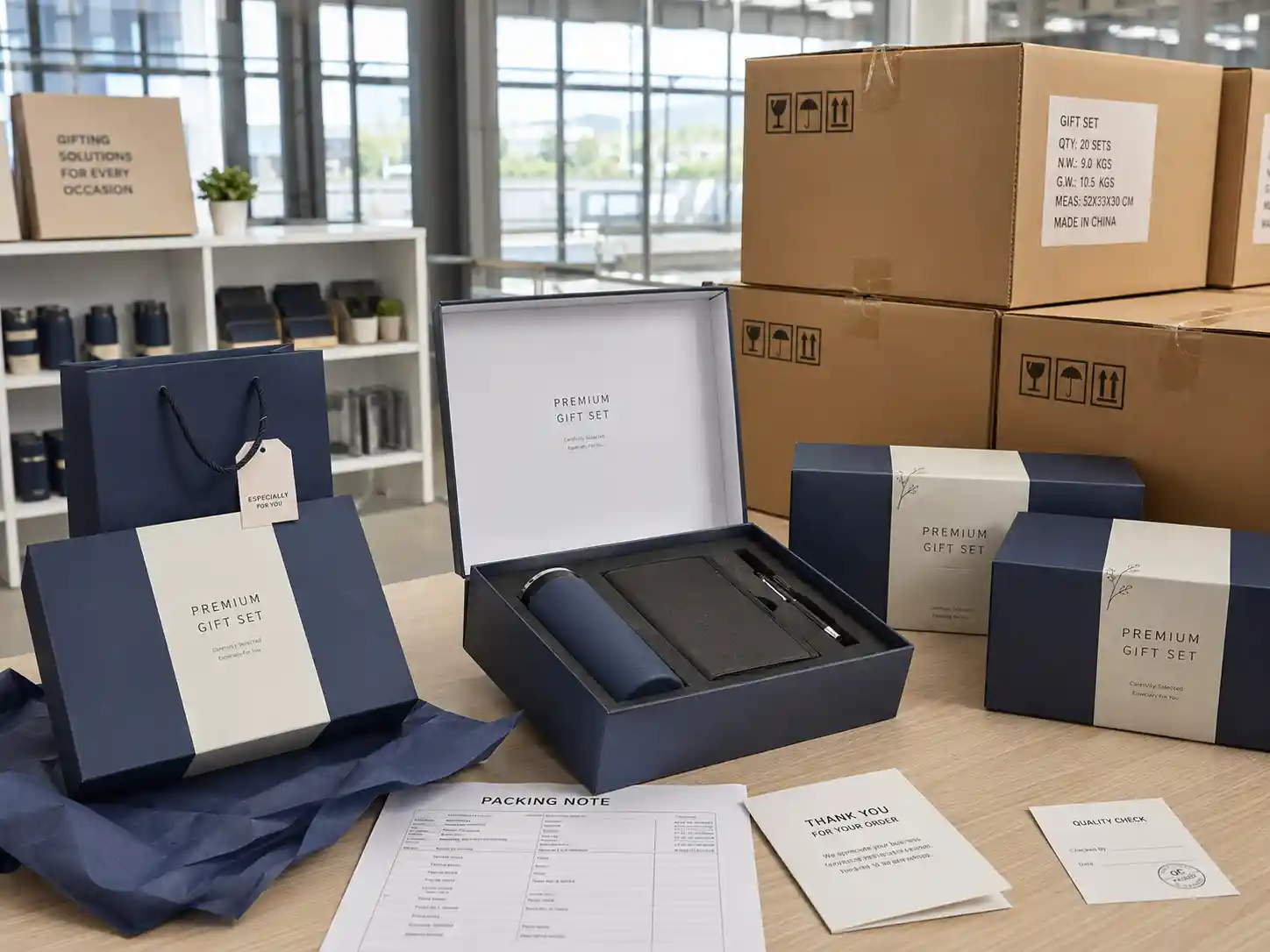
A premium box should be checked as a physical sample, not only as a rendering. Renderings help with direction, but samples expose fit, closure, board strength, color, and assembly issues.
For many packaging projects, we recommend checking these points before bulk production:
- Confirm product fit inside the insert
- Test lid, drawer, magnet, or tuck closure
- Review color against approved artwork files
- Check foil, embossing, lamination, and edge wrapping
- Pack the product into the box as workers would in production
- Place the finished box into the export carton
- Review carton strength, packing direction, and cushioning
- Confirm barcode, warning text, and label position if needed
Quality control also depends on process discipline. The ISO 9001 quality management standard focuses on consistent systems and process control, which is relevant when buyers evaluate factory production management. For packaging, that discipline shows up in sampling records, material checks, color control, in-process inspection, and final carton review.
A premium packaging box becomes easier to quote and sample when the inquiry includes clear project details. You do not need a finished dieline at the first stage, but the factory needs enough information to judge structure, material, insert type, and production risk.
Send these details when possible:
- Product photos or reference packaging
- Product size and weight
- Quantity range
- Preferred box style
- Insert material preference
- Artwork file or design direction
- Printing and finishing needs
- Retail, eCommerce, gift, or seasonal use
- Packing method and shipping destination
- Expected delivery time
The strongest packaging projects usually start with a clear product list and a practical structure discussion. From there, the premium packaging box can be developed through dieline design, material selection, sampling, insert testing, artwork adjustment, bulk production, and export packing. That gives the box a better chance to protect the product, support the brand image, and arrive ready for sale.

