
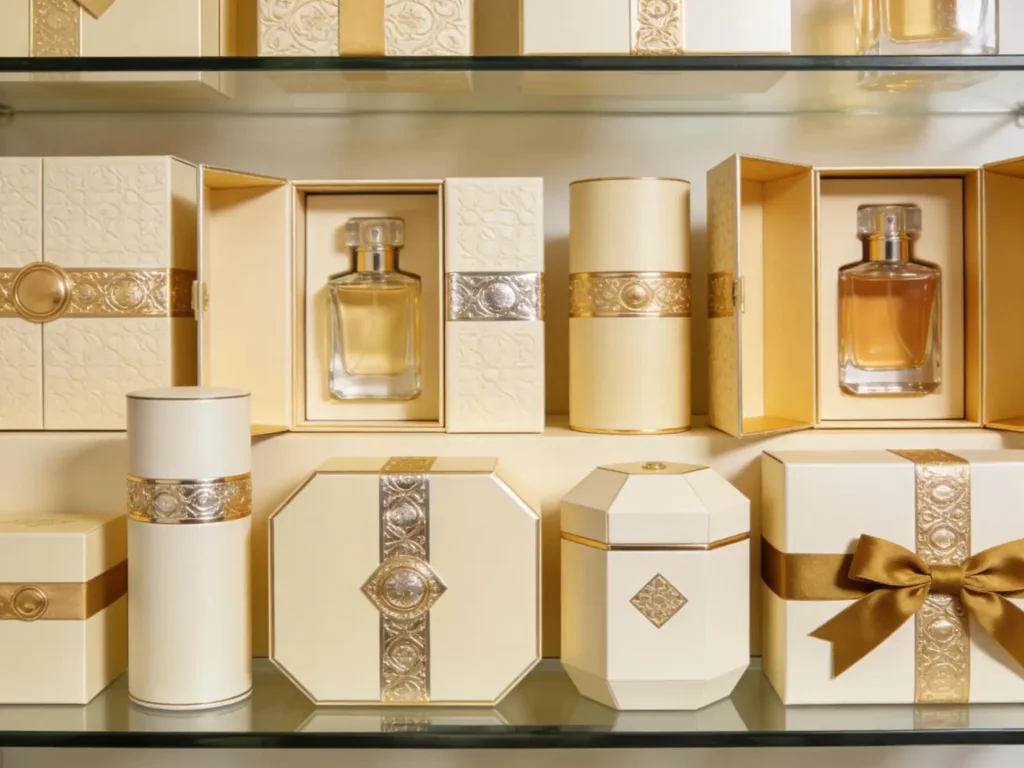
Struggling to make your perfume stand out on a crowded shelf? A generic box can make even the most exquisite scent forgettable. I'll show you how the right packaging can captivate customers before they even smell the fragrance.
The right perfume box enhances brand storytelling, creates a memorable unboxing experience, and communicates the fragrance's value. It’s the first interaction a customer has with your product, making it a critical sales and marketing tool that can significantly influence the purchase decision.

Over my 16 years in the packaging industry, I've seen countless brands try to figure this out. It’s not just about creating a container; it’s about creating an emotion and telling a story from the very first glance. For experienced designers like Peter, who are constantly balancing beautiful design with practical production needs, this challenge is a daily reality. The box is the silent salesperson for the scent inside. Let's break down how you can master this silent salesperson and make it work for your brand.
What makes a perfume box feel truly luxurious?
Worried your perfume packaging looks cheap or doesn't reflect the quality of the scent inside? The wrong materials and finishes can undermine a high-end fragrance. I'll explain the key elements that signal luxury and help justify a premium price point to the consumer.
Luxury in perfume packaging comes from a combination of high-quality materials, refined finishing touches, and thoughtful structural design. Elements like heavy, rigid board, unique tactile textures, and elegant printing techniques such as embossing or foil stamping create a premium sensory experience that customers can feel.

From my experience, luxury is a feeling that starts with the weight and feel of the box in a customer's hands. It’s a multi-sensory signal of quality. For a designer like Peter, choosing the right combination of these elements is crucial.
Material Selection is Key
The foundation of a luxury box is its material. A standard folding carton won't do. You need to look at rigid boards, which are thicker, denser, and provide a sense of permanence and value. Think about the paper that wraps this rigid board. Specialty papers with unique textures, like linen, soft-touch, or a subtle pearlescent shimmer, can elevate the experience. When a customer touches a box with a soft-touch laminate, it communicates a level of care and expense that a standard gloss finish just can't match.
Finishes that Add Value
This is where you can really make a design shine. These details catch the light and the eye.
| Finishing Technique | Description | Best For |
|---|---|---|
| Hot Foil Stamping | Applying metallic or pigmented foil to the surface with heat and pressure. | Creating a bright, metallic effect for logos and text. Signals premium quality. |
| Embossing/Debossing | Raising (embossing) or depressing (debossing) parts of the paper to create a 3D effect. | Adding tactile texture and subtle elegance to patterns or brand marks. |
| Spot UV Varnish | Applying a high-gloss varnish to specific areas of the design. | Creating a contrast between matte and gloss surfaces, making elements pop. |
Combining these finishes thoughtfully is what creates a truly memorable package. A simple debossed pattern on a matte black box with a single, gold-foiled logo can scream sophistication. It shows restraint and confidence in the brand. It’s not about using every trick, but about using the right ones to tell your fragrance’s story.
How do you balance creativity with practicality in perfume box design?
Do you have a brilliant, creative design concept that turns out to be a nightmare to produce? It’s a common frustration for designers when a vision gets lost in translation. I'll share how to ensure your innovative ideas are also feasible for mass production without breaking the budget.
Balancing creativity and practicality starts with early collaboration between the design, sales, and production teams. Focusing on smart structural choices, understanding material limits, and designing for efficient assembly are key. This ensures your vision can be executed effectively, a core challenge for designers like Peter.
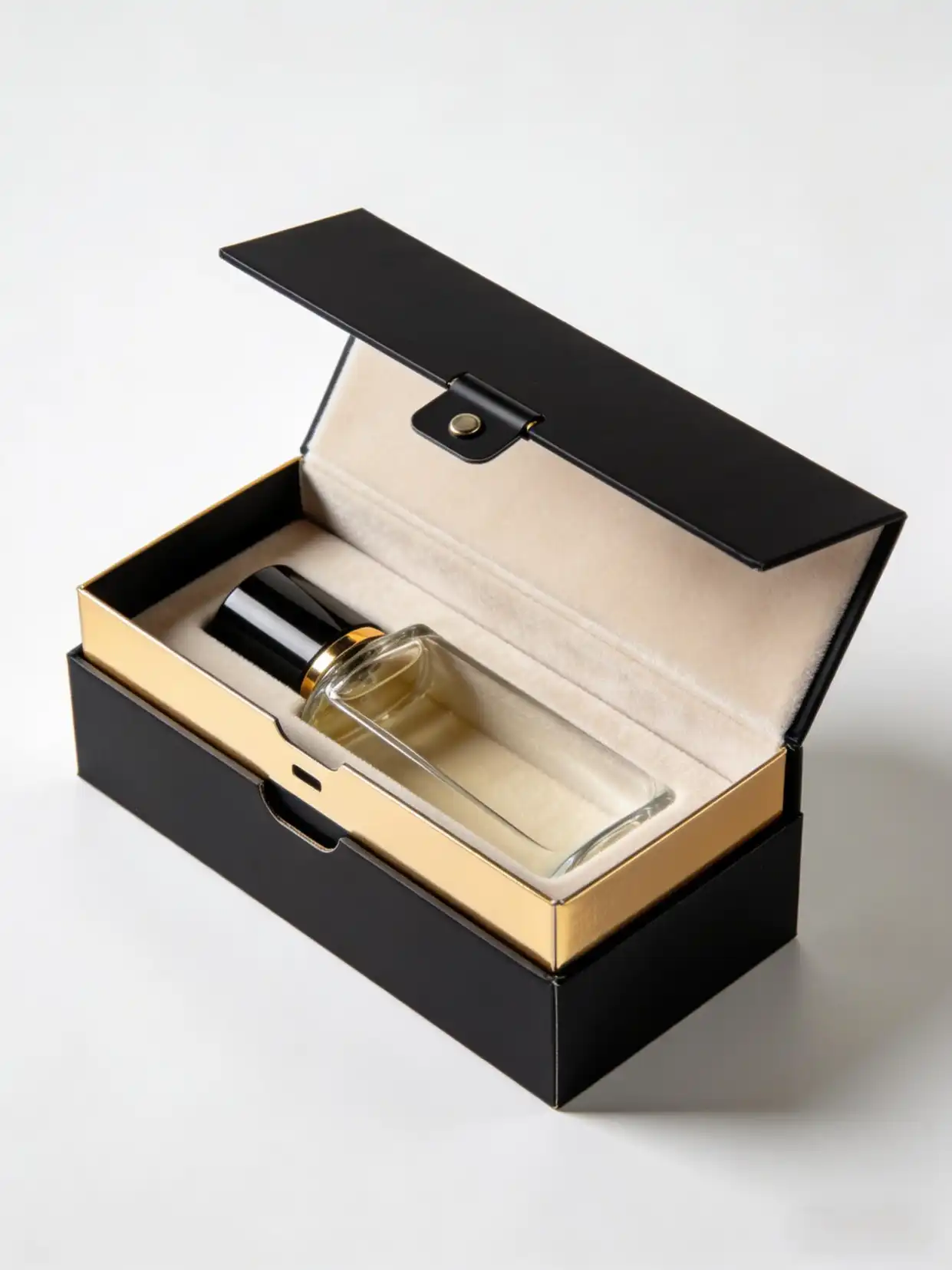
I've seen so many projects get stuck because a design, while beautiful on screen, was simply not practical to make at scale. A designer might create a box with complex, multi-layered inserts and a unique opening, but the cost of hand assembly can make the project unprofitable. The key is to bring production knowledge into the creative process early.
The Power of Prototyping
Before you commit to a full production run, you must create physical prototypes. This is non-negotiable. A 3D render can't tell you how a box feels, how easily it opens, or if the perfume bottle will be secure during shipping. For a designer like Peter, a prototype is a proof of concept. It allows you to test the user experience of the unboxing. Does it open smoothly? Does it feel good in the hands? It also allows the production team to identify potential manufacturing challenges. Maybe a specific fold is too complex for a machine, or a certain glue doesn't adhere well to a chosen paper. Finding these issues early saves a massive amount of time and money.
Designing for Efficient Assembly
The most creative box in the world is useless if it takes ten minutes to assemble by hand. Labor costs can quickly kill a project's budget. When designing, think about how the box will be put together. Can you design a clever insert that is made from a single piece of folded cardstock instead of multiple glued components? Can the box be designed to be self-locking, reducing the need for glue and extra steps? These small considerations make a huge difference in production speed and cost. I always advise designers to think about the person on the assembly line. Make their job as simple as possible.
What are the latest sustainable trends in perfume packaging?
Are you concerned your packaging might be contributing to environmental waste? Consumers are smarter and more demanding than ever about eco-friendly products. I’ll guide you through the latest sustainable materials and designs that appeal to the modern, environmentally conscious buyer.
Key sustainable trends include using recycled and FSC-certified papers, designing for easy recyclability with mono-materials, and exploring innovative inserts made from molded pulp or biodegradable plastics. The main goal is to reduce waste and environmental impact without compromising the luxury feel.
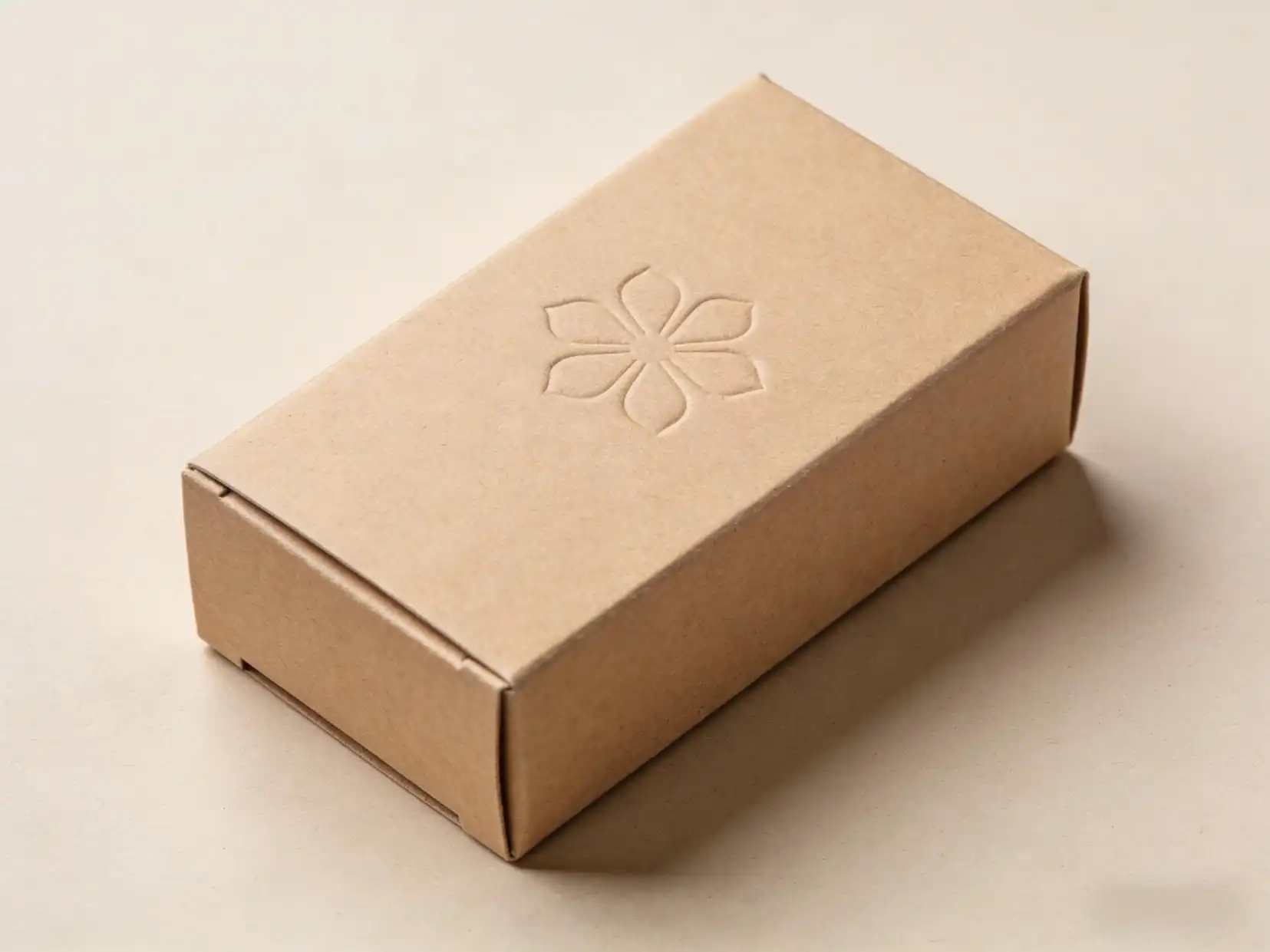
For a long time, "luxury" and "sustainable" seemed like opposites. Luxury was about excess, and sustainability was about reduction. That has completely changed. Now, true luxury is about thoughtfulness, and that includes being thoughtful about the planet. As a packaging supplier, I get asked about sustainable options every single day. For designers like Peter, this is no longer a niche request; it's a core requirement for many brands.
Materials That Make a Difference
The journey to sustainability starts with the raw materials. The good news is, there are more options available now than ever before.
| Sustainable Material | Key Benefit | Considerations |
|---|---|---|
| FSC-Certified Paper | Guarantees the paper comes from responsibly managed forests. | A widely recognized standard that adds credibility. Cost can be slightly higher. |
| Post-Consumer Recycled (PCR) Paper | Made from recycled paper waste, reducing the need for virgin pulp. | Can have slight variations in color and texture, which can be part of the aesthetic. |
| Molded Pulp Inserts | Replaces plastic or foam inserts with a biodegradable material made from paper pulp. | Excellent for protecting the bottle and is 100% recyclable. |
Designing for End-of-Life
A great sustainable design thinks about what happens to the box after the customer has opened it. Can it be easily recycled? The biggest enemy of recyclability is mixed materials. A beautiful box with magnets for closure, a plastic window, and a foam insert is a recycling nightmare. The consumer has to separate each component, and most won't. The solution is to design with mono-materials wherever possible. Use a clever paper-based locking mechanism instead of magnets. Replace the foam insert with a custom-designed molded pulp tray. These choices make it easy for the consumer to simply flatten the box and put it in the recycling bin. It's about making sustainability simple for everyone involved.
Conclusion
Ultimately, a perfume box is much more than a container. It’s the first touchpoint of your brand, a key marketing tool, and a vital part of the customer experience.


