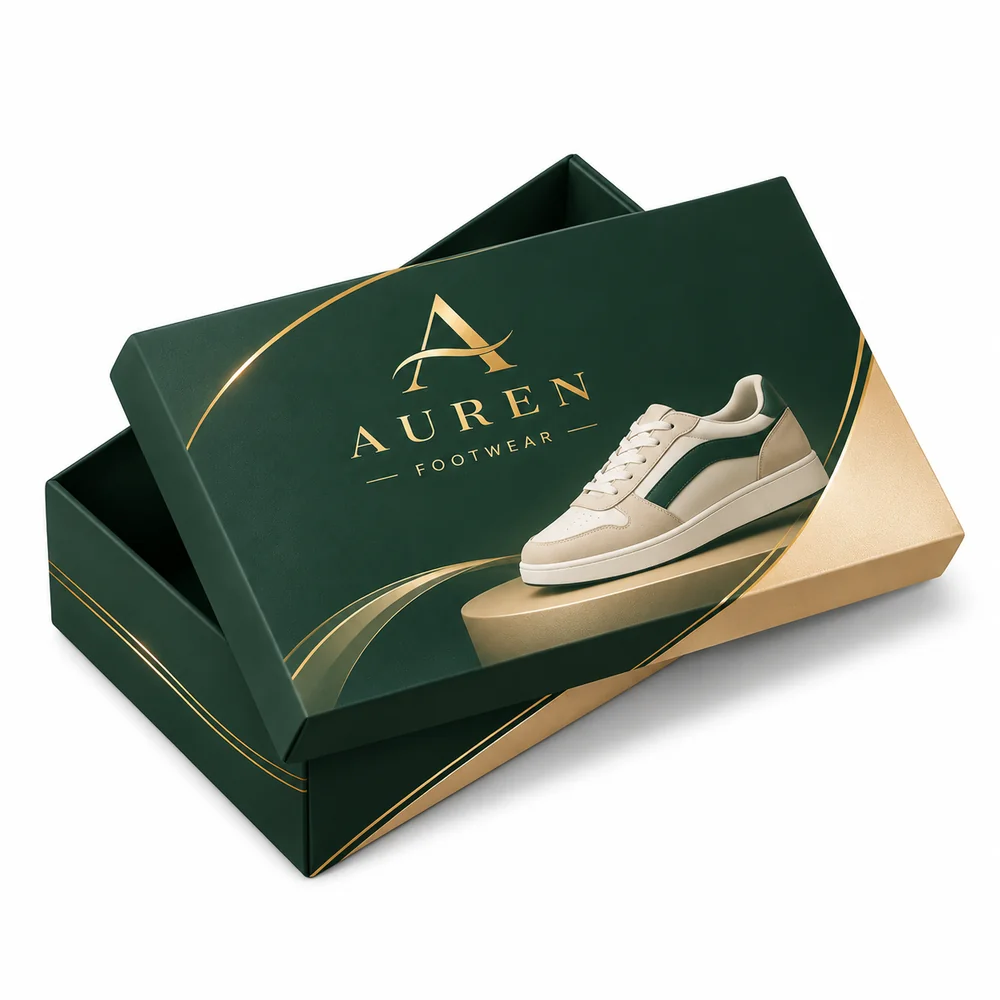
Lid-and-Base Shoe Boxes
A separate lift-off lid gives the collection a familiar retail opening. Adjust lid depth, the visible base and the wrapped edges to suit your brand.
Give every pair a considered presentation with wrapped-greyboard shoe boxes. Custom structures, branded finishes and fitted interiors are developed together for your collection.
Choose lift-off, magnetic, drawer or foldable rigid formats.
Get My Shoe Box Quote ↗Custom sizes & logo · Structural design support · Physical samples available
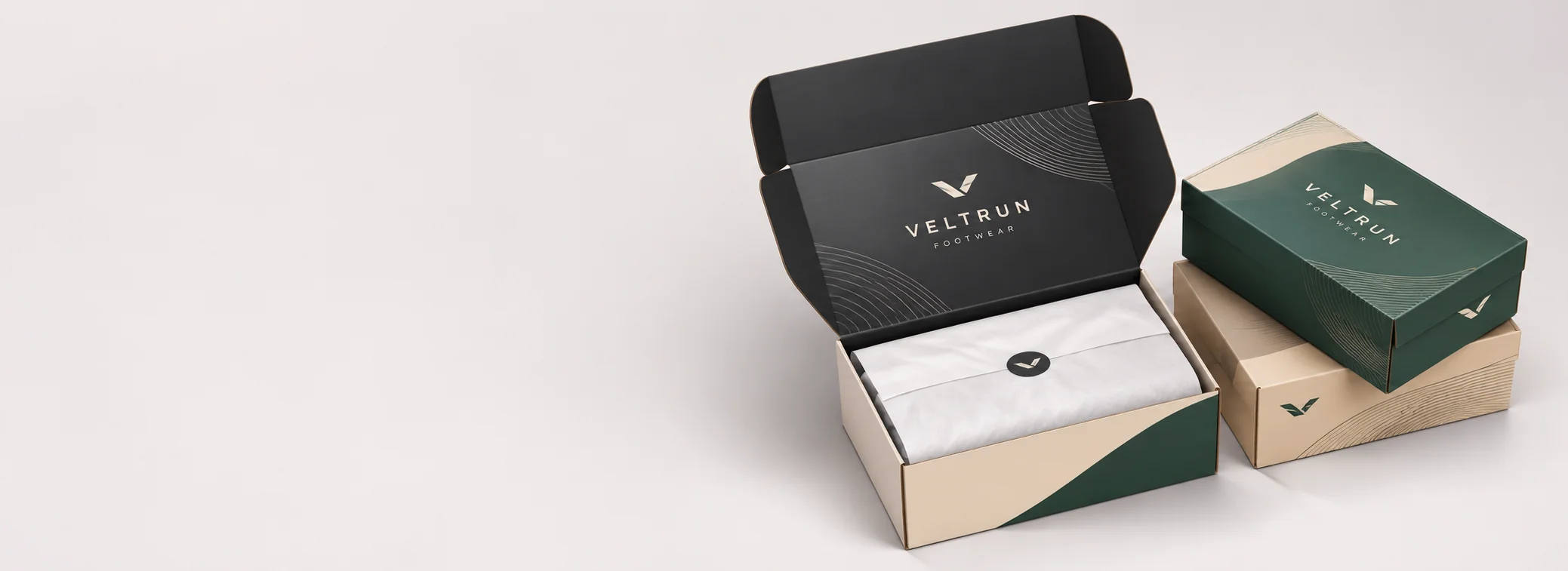
A strong footwear launch needs more than a printed lid. Bring the structure, artwork, sample and packing requirements into one coordinated packaging project.
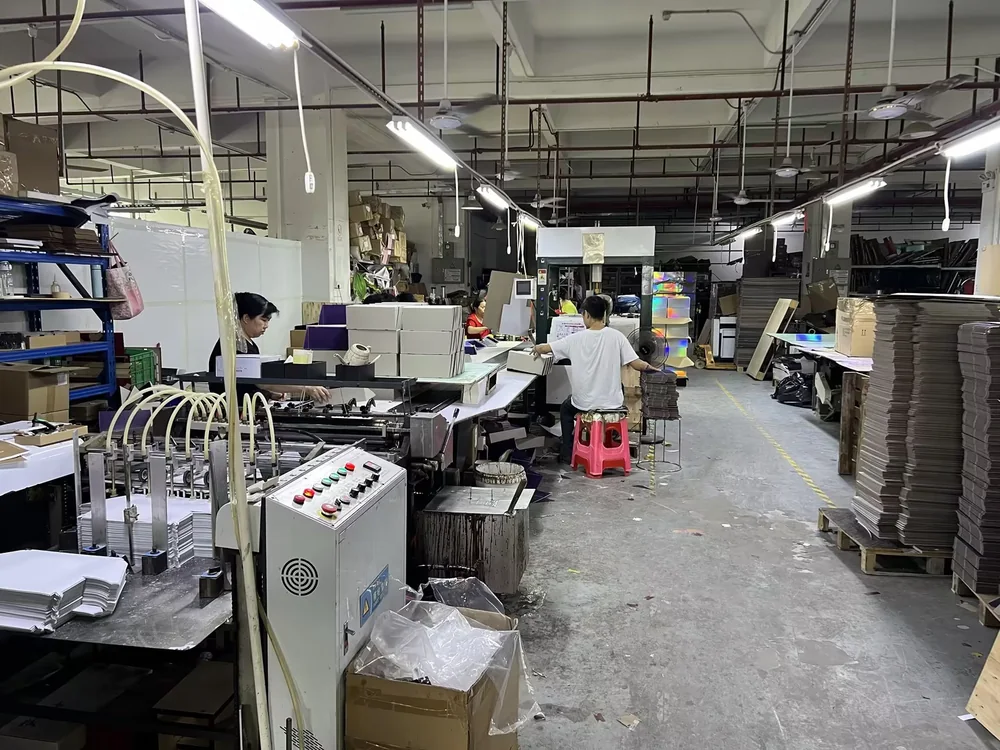
Start with how your customer discovers the pair. Each structure can carry the same brand identity while changing the opening, storage and packing experience.

A separate lift-off lid gives the collection a familiar retail opening. Adjust lid depth, the visible base and the wrapped edges to suit your brand.
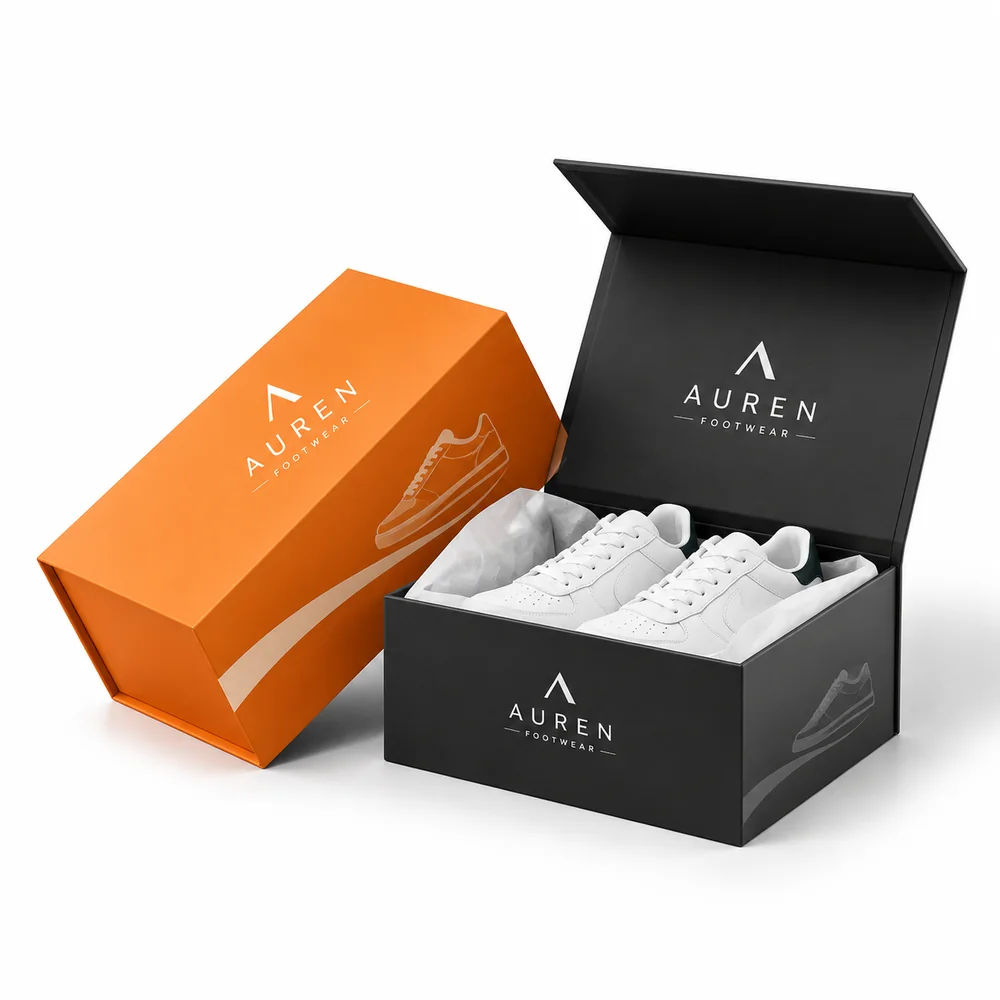
An attached flap creates a deliberate reveal for a premium pair or launch edition. Review the hinge, closure and opening clearance on the sample.
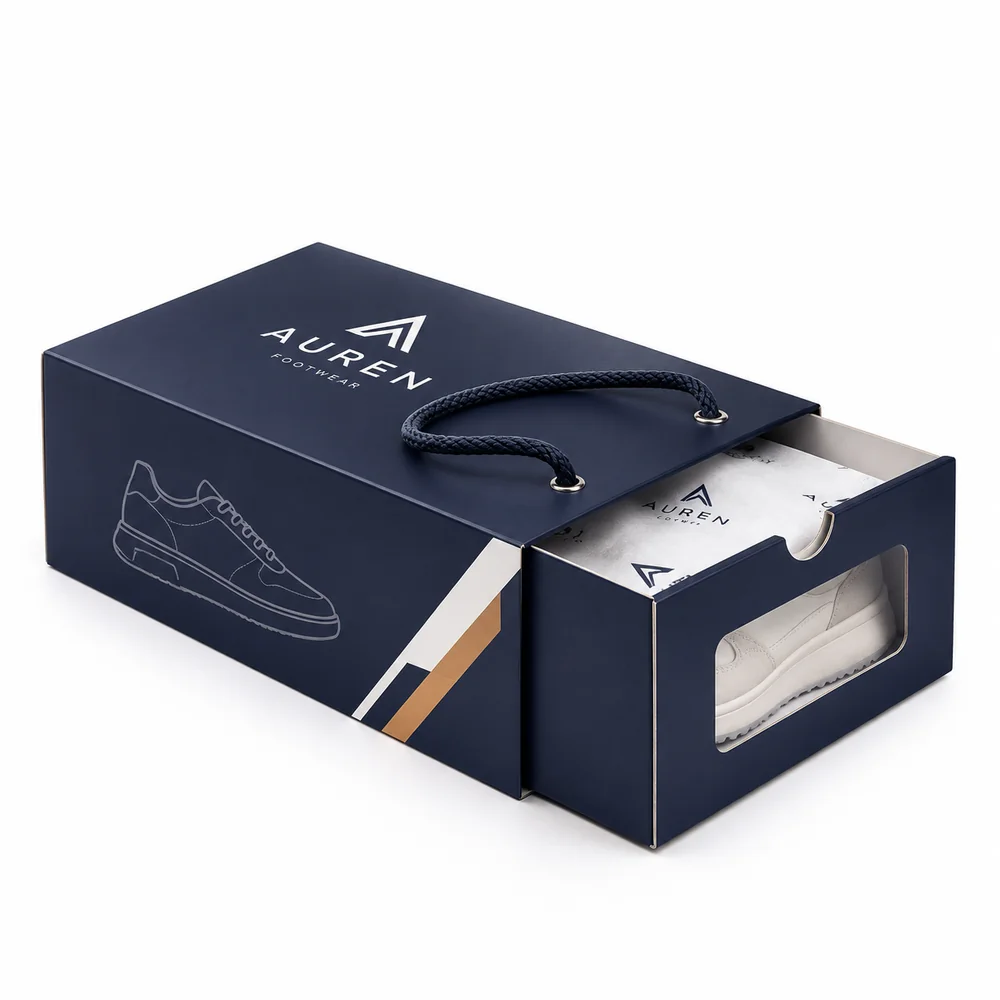
A sliding tray adds a different presentation sequence. Plan the pull, sleeve fit and the supported position of the pair as one construction.
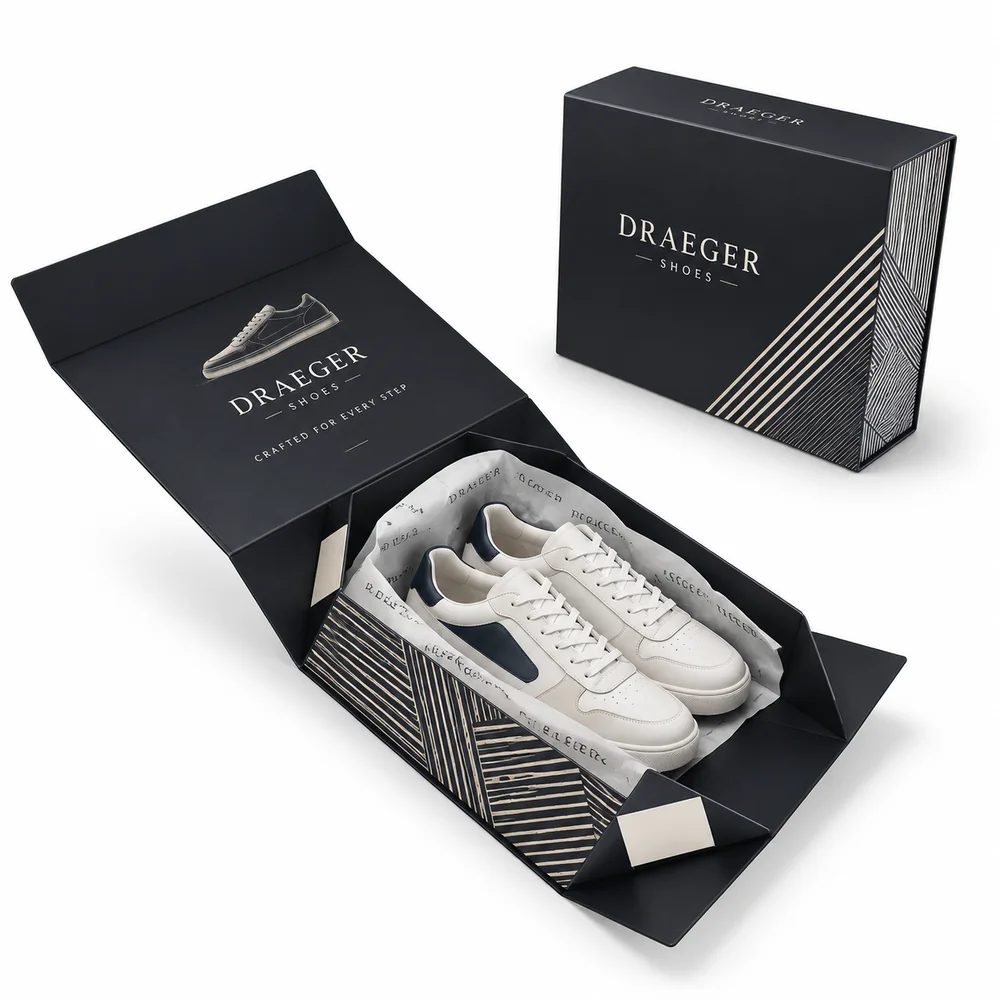
A collapsible greyboard structure can reduce space before assembly. Compare the supplied form, set-up steps and finished feel for your project.
These are custom empty packaging formats. Final dimensions, board construction and details are developed for your footwear; shoes are not included.
Luxury shoe boxes should give the customer a clear, easy reveal. Plan what is visible before the lid opens, when the tissue lifts and when the pair is removed.
Use the closed lid to establish the brand and release identity. Keep the first view focused rather than crowding it with every product detail.
Position the shoes and tissue so the customer can understand the arrangement without lifting several loose layers. Give an inside message a clear reading direction.
Leave a sensible place to lift the pair, reach a care card and return the shoes to the box. Judge the sequence with the actual product on the sample.
Keep the look consistent across your collection while giving different silhouettes the room they need.
For custom sneaker boxes, balance a strong lid graphic with room for the complete pair, spare laces and the collection card. Check high-top profiles separately.
Keep the pair neatly presented without forcing leather, buckles or decorative details against the walls. Plan tissue and any divider with the product.
Review heel height, straps and the most delicate surface points in the intended arrangement. A deeper box can need a different support strategy.
Tall shafts, heavy soles and larger pairs may need a separate box group. Compare the packed footprint rather than enlarging every box in the range.
A shoe size is not a packaging dimension. Start with the largest pair within each planned box group, positioned exactly as it will be packed.
We translate the agreed arrangement into usable internal space and the finished outside size. Review smaller pairs too, so a shared box does not leave excessive movement.
Help Me Plan the Fit ↗
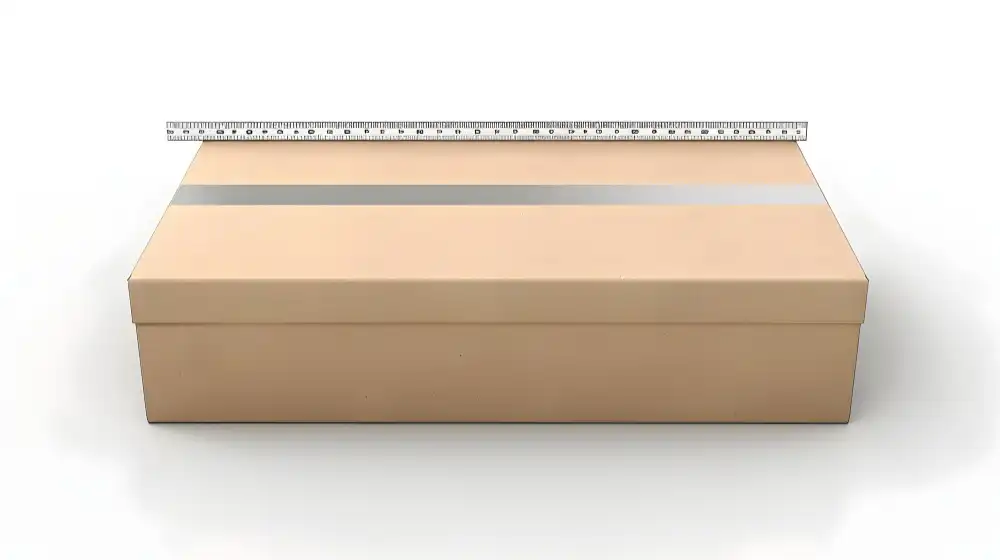
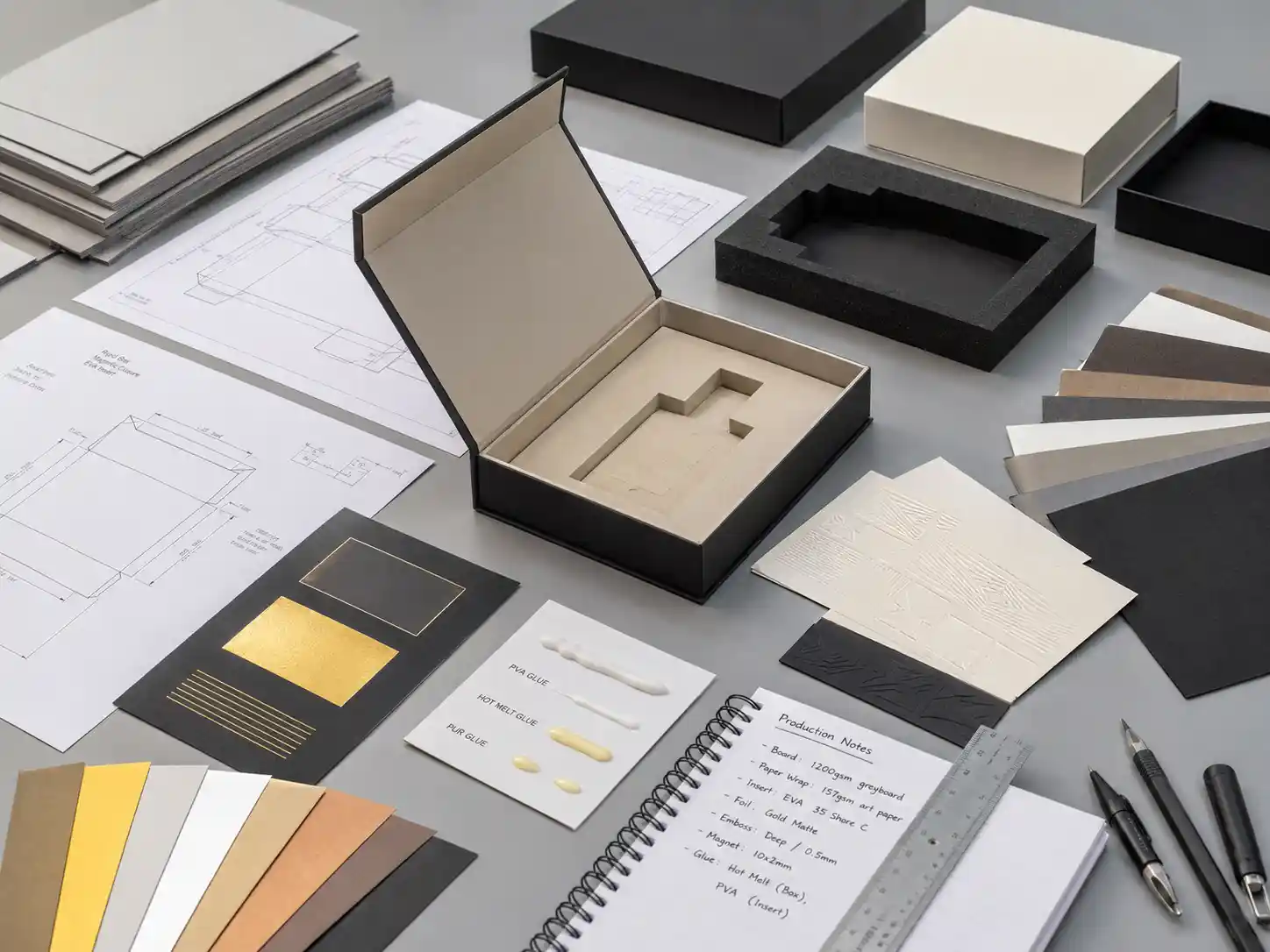
Choose the construction with the box size, pair weight and closing method. Board thickness alone does not define the finished performance.
Explore a clean printed colour, tactile paper or a subtle pattern. Review the colour and finish on the actual paper, especially across repeat collections.
Coordinate the inside colour and contact surfaces with tissue or a paper divider. Confirm requirements for delicate leather, suede or embellished footwear.
Use the largest surfaces for a clear brand impression, then make the smaller details useful for the people handling the box.
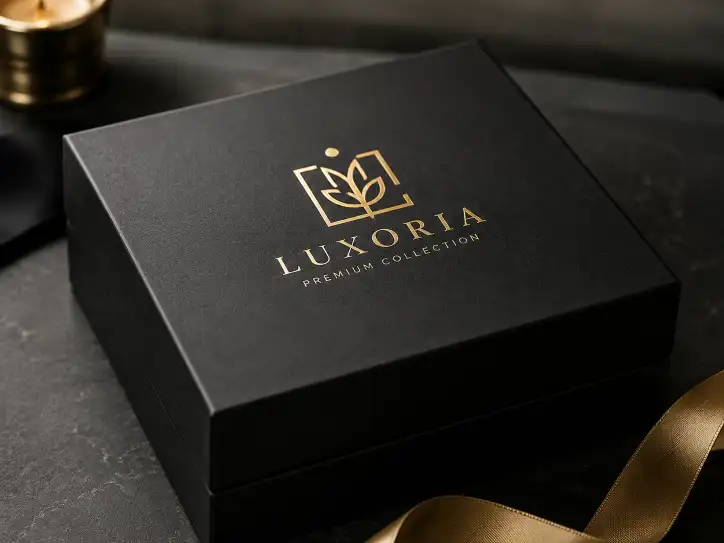
Custom printed shoe boxes can combine a bold lid, quiet side panels and a defined foil or embossed accent. Keep key artwork clear of wrapped edges, joins and any pull opening.
Use the inside lid for the collection story or care message. Reserve an end-panel area for the style, colour, size and barcode supplied by your team, so stock can be identified while boxes are stacked.
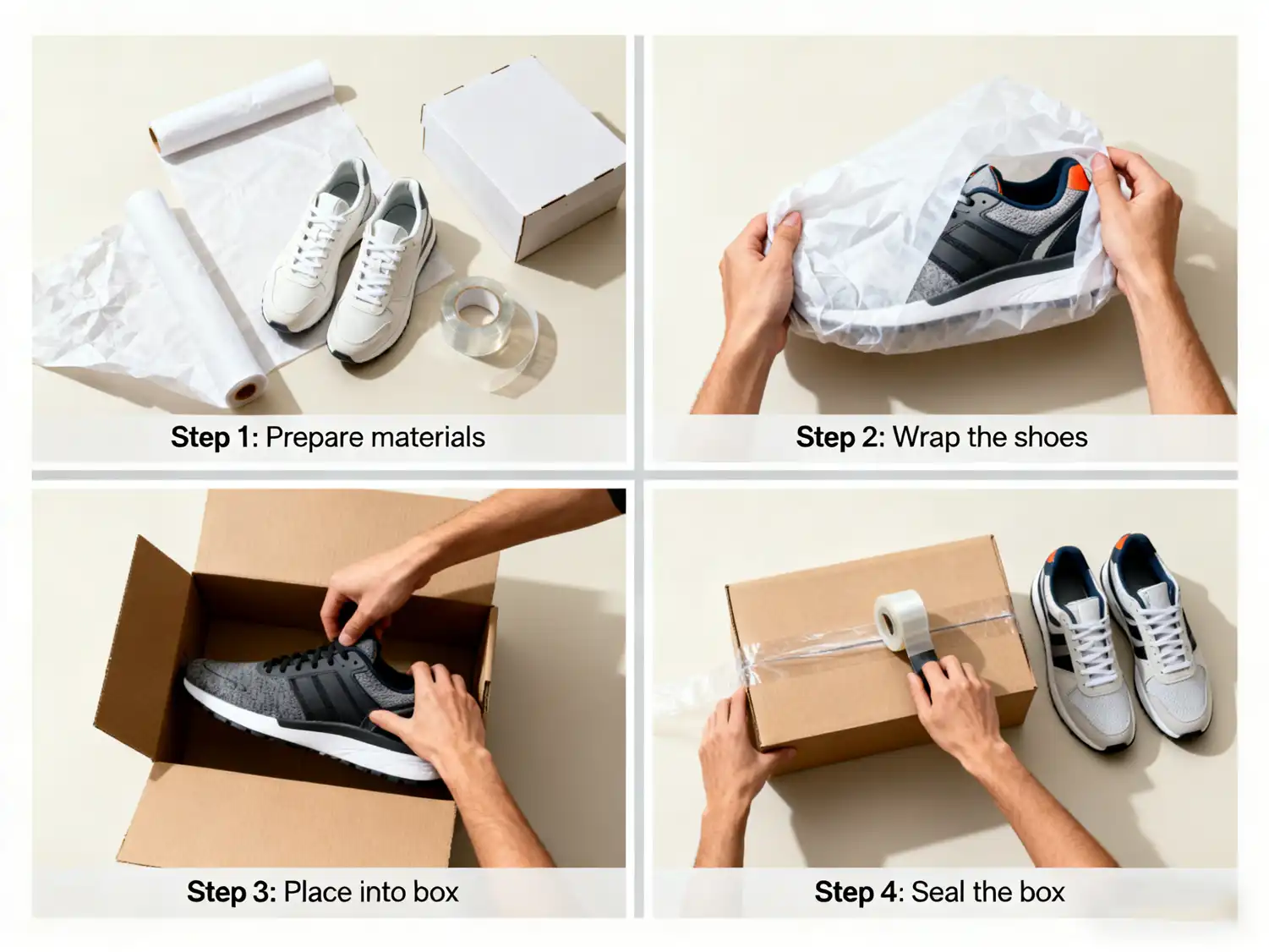
Tissue, a divider and a care card should support the pair without making packing awkward. Decide what separates the shoes, what touches the finish and what the customer removes first.
Tell us if specialist anti-scuff, moisture or surface-contact requirements apply. These need project-specific assessment; a paper box alone does not establish that protection.
Use these choices to compare proposals on the same basis. We can help narrow the options if you only have a product photo or a reference idea.
One box size or a coordinated size family, stated as usable internal space.
Lift-off, magnetic flap, drawer or a foldable rigid format.
Printed or specialty papers, selected with a physical reference.
Brand story, care guidance or collection artwork on visible interior panels.
Foil, embossing, debossing or spot UV in the agreed areas.
Dividers and positioning details developed around the pair.
A consistent area for your size, colour and barcode information.
Confirm flat or assembled presentation and who completes each packing step.
Choose the premium presentation first, then define how empty boxes reach your packing team and how the filled order reaches the customer.
A fixed rigid shoe box arrives in its formed shape. Review storage space, lid-and-base packing and the outer-carton arrangement.
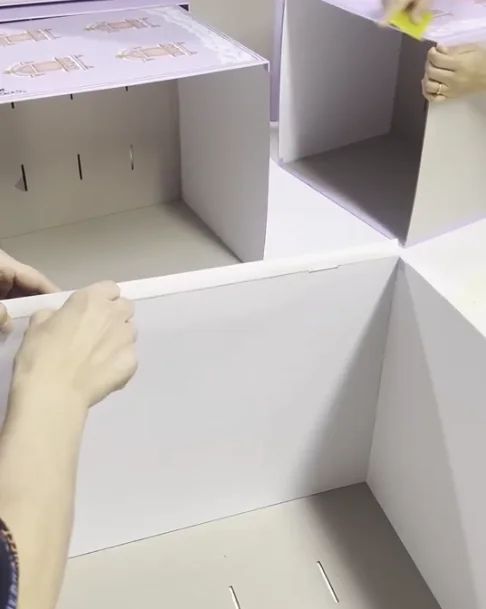
A collapsible gift-box construction needs a clear assembly sequence. Review the set-up time and closure before choosing it for a fulfilment team.
A decorative greyboard box may need a separate protective outer carton. Assess the complete packed parcel for the proposed delivery route.
If your priority is a lightweight self-locking shipping structure, explore our mailing boxes →. This page focuses on premium rigid footwear presentation.
From wrapping to assembly, the relevant operations follow the agreed construction. Your sample provides the reference for the production details that matter.
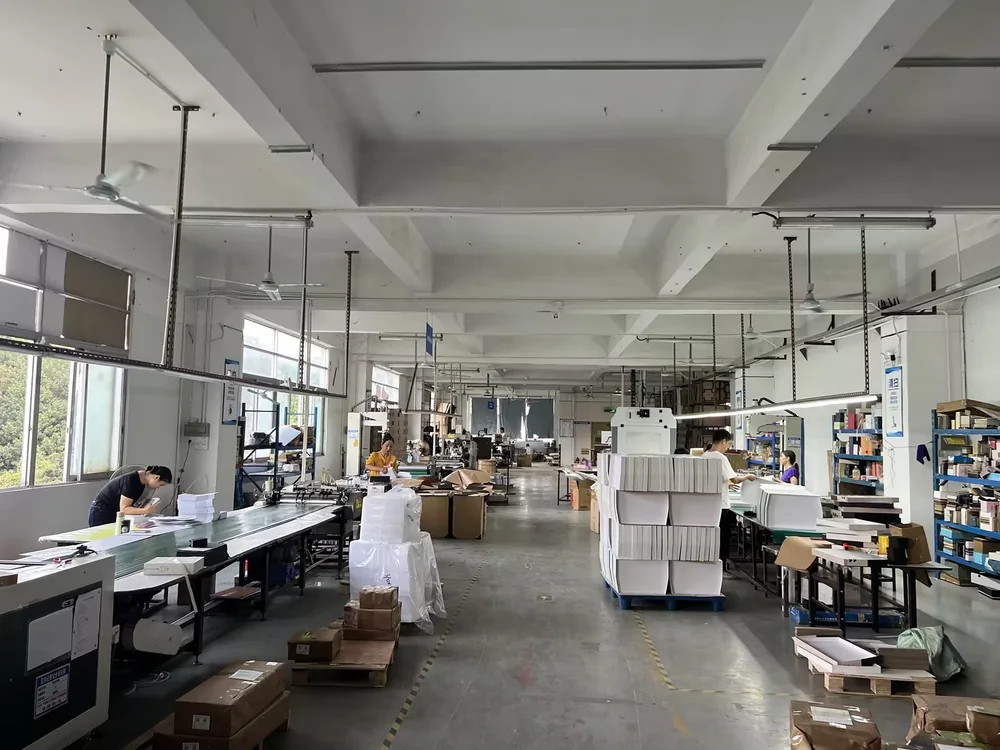
Custom shoe packaging has to work for the launch team, retail staff and the next reorder. Agree which elements stay shared and which change across the collection.
Group the range into practical box sizes. Keep the label panel in a consistent position, define quantities by size and make it easy for the packing team to match the right box to the pair.
A release may change the sleeve, inside artwork or collection card while retaining part of the structure. Identify each version clearly so cost and sampling reflect what actually changes.
Record the approved dimensions, paper, logo finish and artwork files. Review changes to the footwear, tissue or accessories before repeating an old specification for a new season.
Bring the product fit and appearance checks into the same approval, then keep the final version and packing instructions with the order.
Send your footwear type, packed pair measurements, approximate quantity and a design reference. An early idea is enough to begin the discussion.
Review a proposed construction and dieline. Structural and artwork support is normally included; unusually complex work is agreed separately.
Check the real pair, lid movement, wrapped edges and decoration. Record the approved version and any changes before bulk production.
Agree the final specification, quantity, supplied form and delivery plan. Keep production time and freight time separate in the launch schedule.
The specification and order details below keep the applicable minimum, sample and production planning information in one place.
Compare specifications for wholesale shoe boxes in one place. These are planning references; the quotation and approved sample define the final project.
| Primary construction | Wrapped-greyboard rigid shoe packaging. Lift-off, magnetic, drawer and foldable options are developed for the project. |
|---|---|
| Dimensions | Custom internal usable space and finished external size; measured from the complete packed pair. |
| Size groups | Identify the footwear styles and size range covered by each box dimension. |
| Interior | Coordinate the lining, tissue, paper supports and any customer-supplied accessories. |
| Paper selection | Printed and specialty wraps, chosen with the intended colour, surface and wrapped construction. |
|---|---|
| Print areas | Define the exterior, inside lid and lining areas on the agreed artwork and dieline. |
| Decoration | Foil, embossing, debossing or spot UV in selected areas; review the result on the chosen paper. |
| SKU information | Provide your approved style, colour, size and barcode data, with a common panel position across the range. |
| Typical minimum | Rigid gift-box orders usually start from 200 units. Confirm the applicable quantity by size, design and construction. |
|---|---|
| Samples | Usually 2–3 calendar days, with the sample specification and timing confirmed per project. Common sample charges are around US$120, adjusted for size and complexity; refund conditions are agreed separately. |
| Bulk production | Usually 16–18 calendar days from deposit receipt on a production-ready project. Approval changes and complexity can affect the schedule. |
| Launch planning | Confirm the approval deadline and delivery destination. Freight and transit time are additional to production. |
| Artwork versions | List the box sizes and artwork editions, with the required quantity for each. |
|---|---|
| Supplied form | Fixed rigid boxes are formed; a suitable foldable design can be supplied collapsed. Agree the assembly steps. |
| Packing scope | Confirm how lids, bases, tissue and separate components are packed, and who loads the shoes. |
| Delivery route | Sea, air, courier or door delivery may be arranged by project. Confirm outer protection, freight and destination charges in the quotation. |
Explore the support you need next. A product photo or an early reference is enough to begin the conversation.
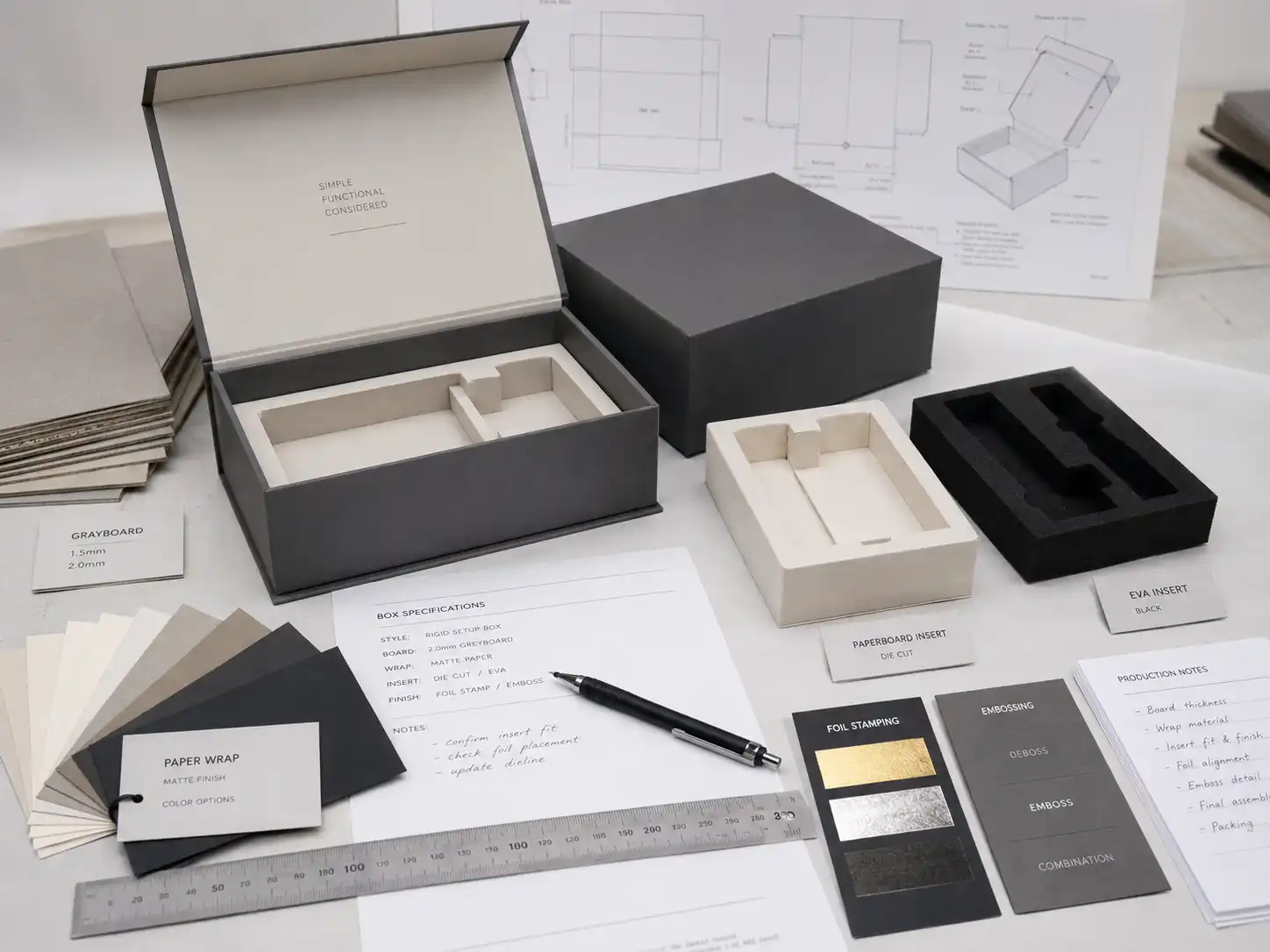
Turn your pair arrangement and opening idea into a box construction that can be sampled.
Explore This Service →
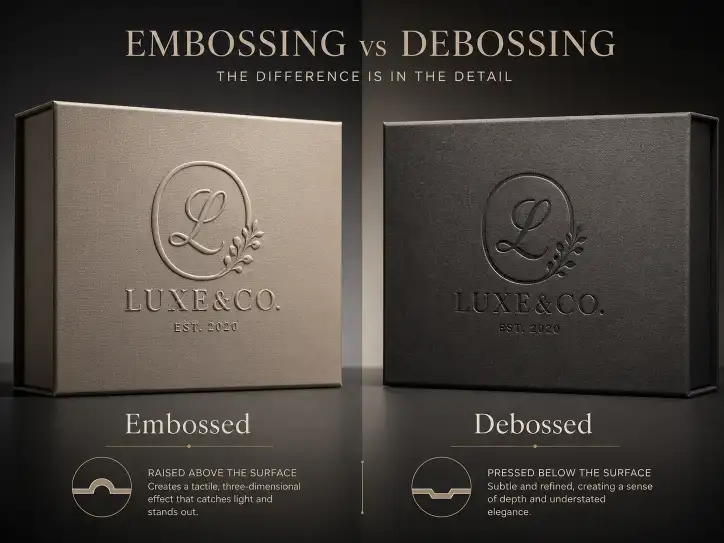
Align the logo, inside message and SKU panels with the selected paper and dieline.
Explore This Service →
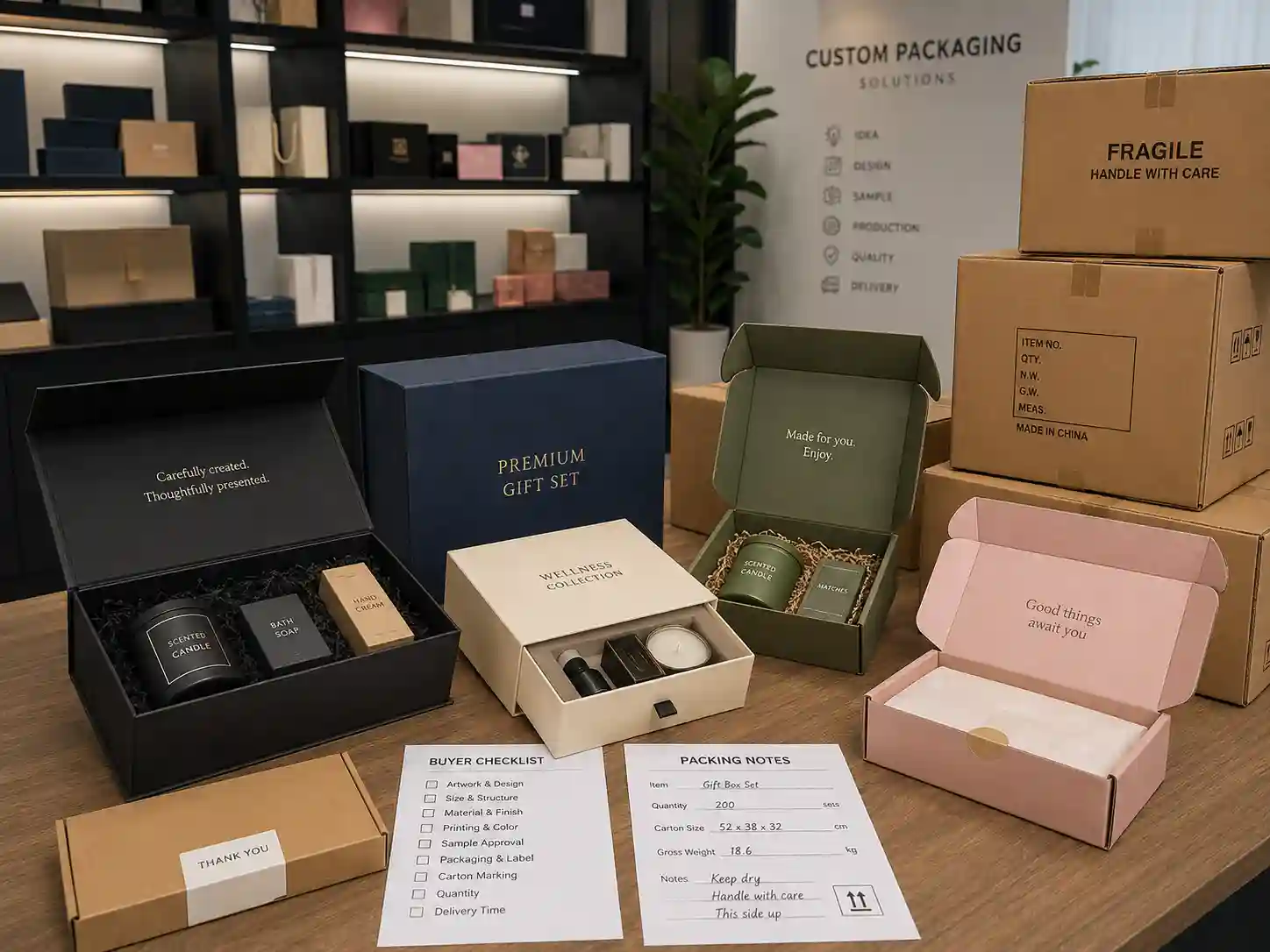
Compare the wrapped edges, opening feel, colour and complete pair fit before the production run.
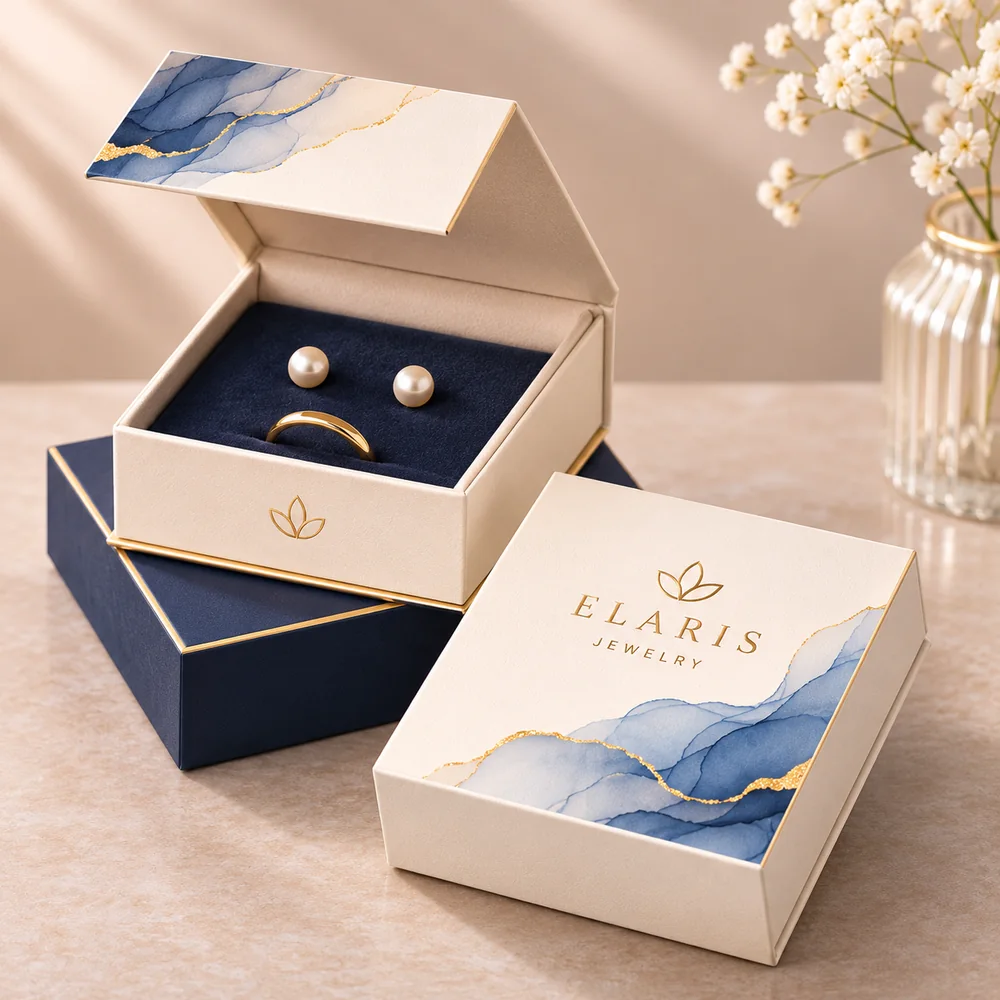
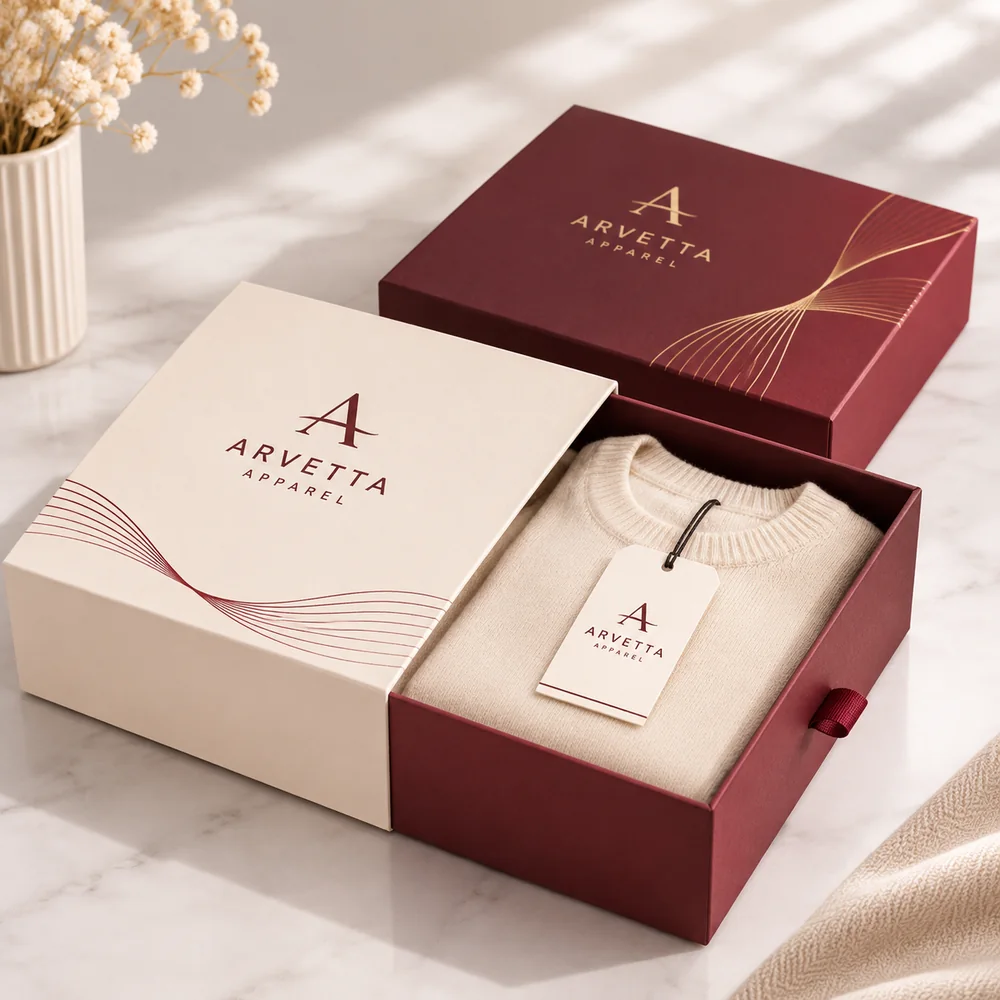
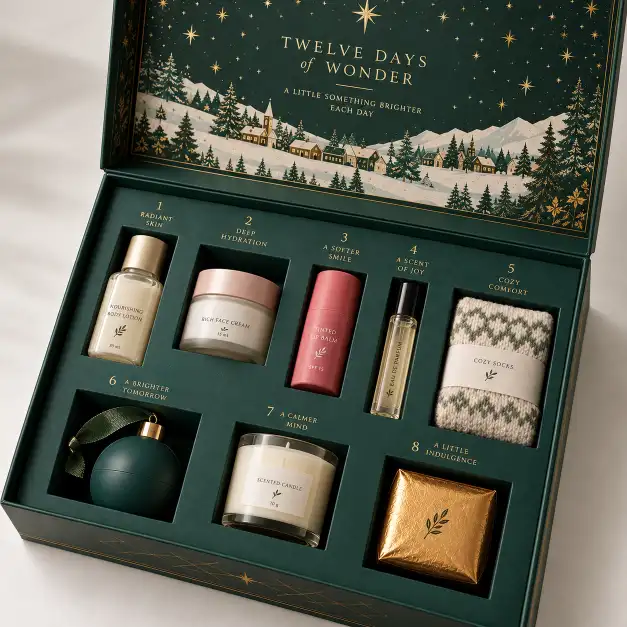
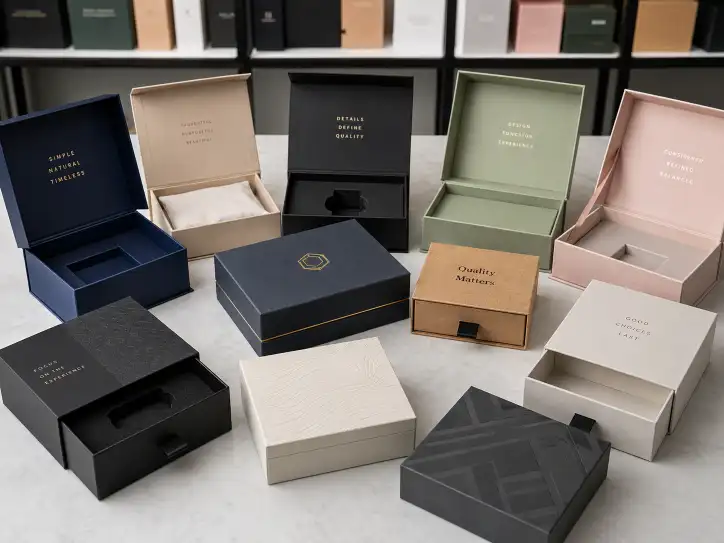
Explore This Service →Follow the structural detail you want to explore. These references show different packaging applications rather than repeated footwear products.
Looking for a shoe box manufacturer for your next collection? Share what you know. We will help turn the product and presentation idea into a workable packaging brief.
Yes. Wrapped-greyboard boxes are a premium presentation option. Corrugated constructions serve a different weight, cost and shipping brief. We review the intended use before recommending a build.
Yes. We can develop exterior and interior artwork, with selected foil, embossing or other finishing. Send your logo and a reference direction; the proof and sample confirm the result on the chosen paper.
No single chart fits every pair. Shoe silhouettes, pair orientation, tissue and accessories change the occupied space. Use the measurement section above to start a size-family discussion.
Yes, the brand design can be coordinated across different box dimensions. We review the largest and smallest pairs within each group and confirm quantities for each size and artwork version.
Fixed rigid boxes are formed, while a suitable foldable rigid design can be supplied collapsed. Confirm the exact construction, assembly steps and packing state in the quotation.
The quote is based on the agreed dimensions, structure, material, artwork, finish and quantity. Tell us your destination and required delivery window so freight and scheduling can be discussed on the same basis.
No finished artwork needed. Tell us your starting point and the result you want.
Get a Quote on WhatsApp
Tell us what you want to pack. We’ll help review the box, paper wrap and insert requirements.
Scan to start a conversation.
Share your project details below. Our team will review your requirements.
Replies will come from @lddisplay.com.