
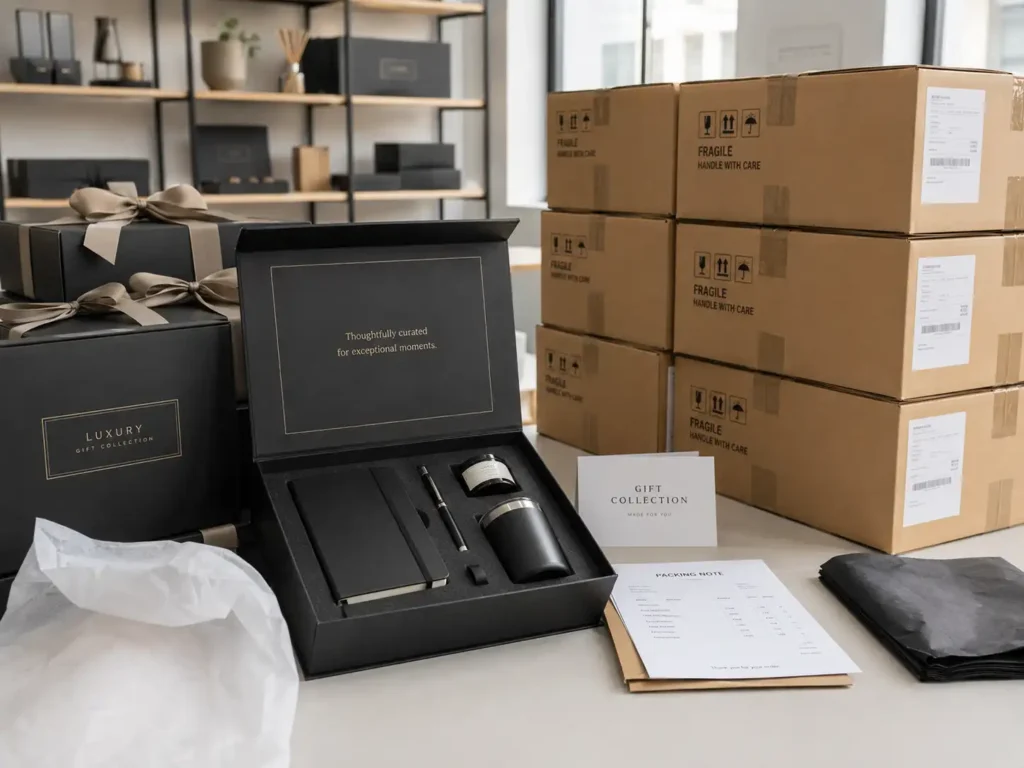
A luxury gift box can look expensive in a rendering, but the real test starts when the product is placed inside. If the structure is weak, hard to assemble, loose around the product, or risky during shipping, the packaging will not support the brand experience. Structure decides how the box feels, protects, opens, packs, and survives bulk production.
Many teams focus first on artwork, foil stamping, color, and surface paper. Those details matter. Still, in our experience, the box structure usually decides whether the final packaging feels controlled or careless.
Why Luxury Gift Box Structure Affects More Than Appearance
A premium box is not only a decorated shell. It is a physical system made from board, paper wrap, glue, magnets, inserts, folding lines, trays, and packing method.
When a luxury gift box structure is planned early, the product sits neatly, the opening feels intentional, and the outer surface stays clean after transport. When structure is treated as an afterthought, problems appear late: the lid feels loose, the drawer scrapes, the insert moves, the box collapses under stacking, or the packed carton size becomes costly.
One small design change can affect several production steps. A deeper base may require thicker greyboard. A heavier bottle may need EVA or paperboard insert support. A wide magnetic flap may need stronger magnets or a different closing angle. A foldable rigid box may reduce shipping volume, but it must be checked for folding-line strength and final assembly fit.

For many packaging projects, the best structure is not the most complex one. It is the structure that matches product weight, retail use, opening style, budget, and packing plan.
The Luxury Gift Box Structure Should Start With the Product
The product should lead the box decision. Not the decoration.
Before selecting a magnetic box, drawer box, lid and base box, or shoulder box, a manufacturer needs to understand:
- Product dimensions and tolerance range
- Product weight
- Product fragility
- Product surface material
- Quantity per set
- Retail display or direct shipping use
- Insert requirement
- Expected packing method
- Target price range
- Delivery schedule
A rigid perfume set and a lightweight scarf gift set do not need the same internal support. A candle box may need a snug insert cavity and enough wall strength around glass. A jewelry box may need a smoother drawer slide, while a cosmetic PR kit may need a larger opening view and stronger presentation layout.
For example, magnetic gift boxes work well when the packaging needs a clean opening action and a premium presentation. But if the product set is tall, heavy, or packed for long-distance shipping, the magnet position, board thickness, and insert lock must be tested during sampling.
For projects where the product fit is the biggest concern, custom box inserts often decide whether the box feels premium or unstable. The insert should hold the product without forcing the user to pull too hard. That balance needs sample testing.
Luxury Gift Box Formats and Their Practical Trade-Offs
No box structure is right for all products. Each format has strengths, limitations, and production details.
| Box Structure | Best For | Key Advantage | Common Risk to Check |
|---|---|---|---|
| Magnetic gift box | Cosmetics, candles, gift sets, PR kits | Premium opening and strong display value | Magnet strength, flap alignment, insert fit |
| Drawer box | Jewelry, accessories, small premium items | Controlled pull-out experience | Drawer friction, sleeve tolerance, corner strength |
| Lid and base box | Gift sets, apparel, stationery, retail gifts | Simple structure with broad use | Lid looseness, stacking pressure, insert movement |
| Shoulder box | Perfume, jewelry, luxury accessories | Refined layered opening | Shoulder height, glue control, tight assembly |
| Foldable rigid box | Larger gift sets and export projects | Saves shipping and storage space | Folding-line durability and assembly consistency |
| Mailer box | eCommerce gifts and shipping packs | Shipping-friendly structure | Edge crush, product movement, print scuffing |
| Folding carton | Lightweight retail products | Cost and flat-pack efficiency | Board stiffness and display condition |
A drawer box can feel more interactive than a standard lid and base box, but it requires close tolerance control. Too loose, and it feels cheap. Too tight, and users struggle to open it.
A magnetic gift box can create a strong first impression, but the front flap must close evenly after wrapping paper, lamination, and inner tray assembly are added. Sample approval should test the final material combination, not a simplified blank mockup.
When comparing options, the article drawer box vs magnetic box is useful for structure selection in premium packaging projects. Different openings create different product experiences.
Board Thickness, Paper Wrap, and Finish Must Work Together
A luxury gift box usually uses greyboard or rigid board wrapped with printed paper, specialty paper, or laminated paper. The board creates the body strength. The wrap creates the surface.
The two must work together.
If the board is too thin, the box may bend or show weak corners. If the board is too thick, the box can look bulky, increase cost, and create wrapping challenges around tight corners. For many custom gift box projects, the board thickness is selected according to box size, product weight, and presentation needs.
Paper wrap also affects structure. A textured paper may look refined, but it may crack more easily around sharp edges if the structure is not adjusted. Matte lamination can reduce surface scuffing, while gloss lamination may show fingerprints or scratches more clearly. Foil stamping and embossing need stable surface pressure and enough area away from folding lines.
Small details matter:
- Foil artwork should not sit too close to corners.
- Embossing should be checked after wrapping.
- Lamination should match expected handling.
- Dark colors need scuff testing.
- Large solid ink areas need print control.
- Specialty paper should be tested before bulk production.
For brands looking at responsible paper sourcing, FSC explains chain-of-custody certification for products carrying FSC claims through its official FSC chain-of-custody information. That topic is worth discussing early if packaging needs certified material claims.
Inserts Turn a Box Into a Product System
A box without the right insert can feel unfinished. The insert controls product position, unboxing order, safety, and visual balance.
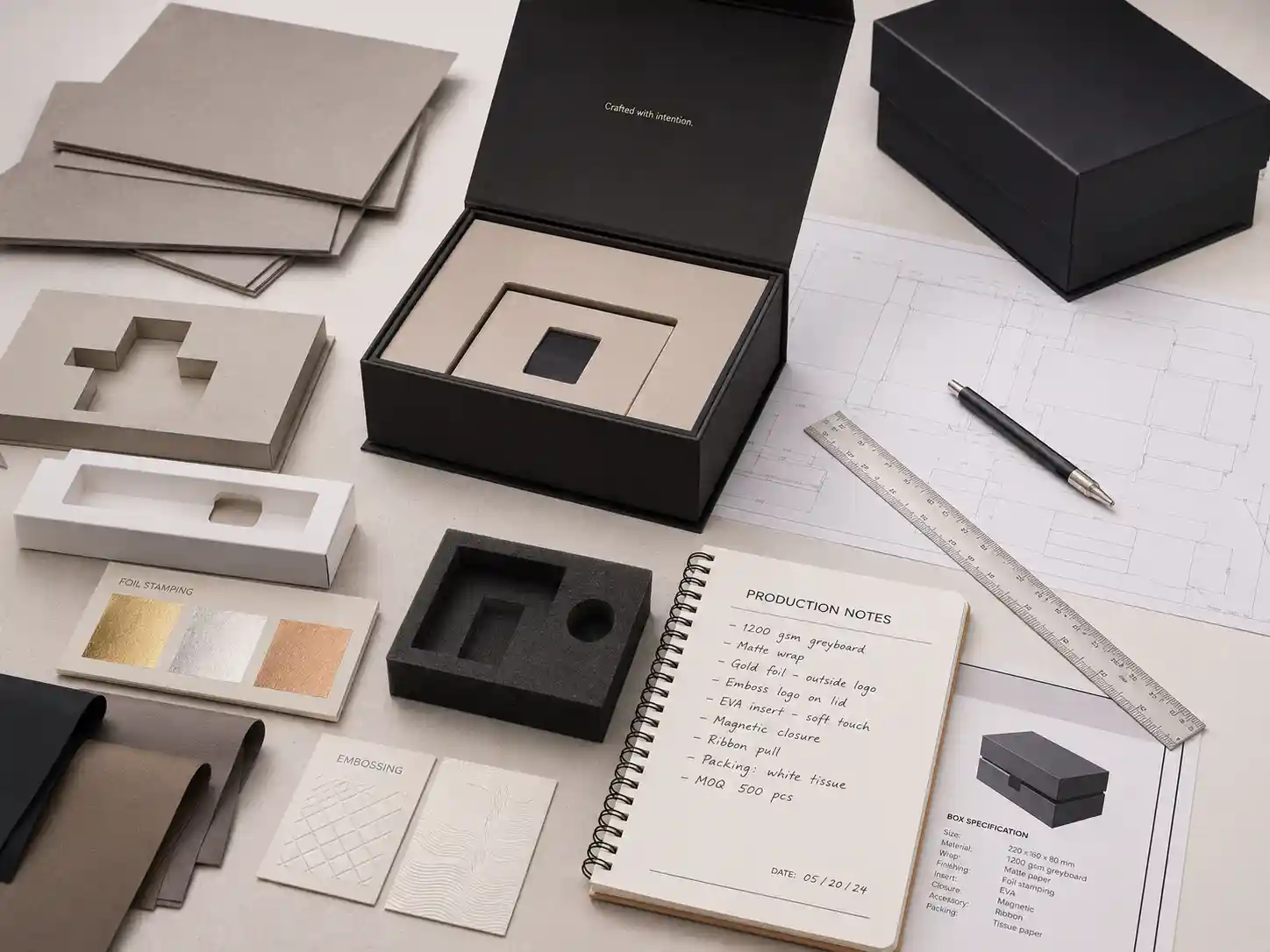
In a luxury gift box, the insert should match both product shape and user experience. A rigid paperboard insert may suit candles, bottles, and boxed items. EVA foam may work for heavier or fragile items. Molded pulp may support projects that need a more paper-based direction. Corrugated or folded paper inserts may work for larger sets or shipping-focused packaging.
Insert planning should answer practical questions:
- Does the product sit upright?
- Can the user remove it without damage?
- Will the insert shift during transport?
- Does the cavity match product tolerance?
- Is the insert surface aligned with the box style?
- Does the insert create pressure marks?
- Can workers assemble it efficiently?
Buyers often run into this issue with multi-product sets. The outer box looks correct, but the products sit at different heights. One product is too tight, another is loose, and the final presentation looks uneven.
That is why insert drawings, blank samples, and product test fitting should happen before print approval. A beautiful printed box cannot fix a poor cavity layout.
Sampling Should Test the Real Use, Not Only the Look
A packaging sample should not be treated as a photo prop. It should be tested like a production preview.
In our experience, a reliable sample review includes structure, material, print, insert, assembly, and packing checks. The buyer should open it, close it, place products inside, lift it, stack it, and check how it feels after handling.
A useful sample review may include:
- Confirm product size and weight.
- Check outer box dimensions.
- Test insert cavity fit.
- Review opening and closing feel.
- Check print color and finishing position.
- Inspect corners, glue, and wrapping quality.
- Confirm carton packing direction.
- Check whether the final set can survive expected shipping conditions.
For quality management discussions, ISO describes ISO 9001 as a quality management standard used to help organizations improve performance and meet customer expectations through defined requirements. Packaging buyers can review the official ISO 9001 quality management page when discussing process control with suppliers.
Sampling is also the right time to question complexity. A special structure may look impressive, but if it slows hand assembly, increases defect risk, or makes export packing unstable, it may not be the right structure for the project.
Shipping Protection Is Part of the Luxury Experience
Premium packaging must arrive clean. That sounds simple, but shipping can expose hidden structure problems.
A luxury gift box may travel from factory to export carton, sea freight, warehouse storage, retail handling, and final customer delivery. During that path, edges can rub, corners can dent, surfaces can scratch, and inserts can loosen.
For this reason, outer carton planning should not be left until the end. Export packing may include protective bags, tissue paper, corner guards, layered arrangement, dividers, or stronger cartons. A magnetic box with a delicate surface may need extra separation. A foldable rigid box may need clear assembly instructions and controlled packing density.
For shipping-focused packaging structures, mailer boxes may be more practical than a traditional rigid presentation box. If the product will move through courier channels, the article on products for mailer boxes can help match product type with structure.
Transport testing can also be part of the discussion. ISTA provides official information about ISTA test procedures, which are used for packaged-product performance evaluation and shipping validation. Not all projects need formal lab testing, but the thinking behind transit testing helps prevent avoidable damage.
Seasonal and Multi-Compartment Boxes Need Extra Structure Control
Seasonal packaging can be more complex than standard gift packaging. An advent calendar box, for example, may include many doors, drawers, cavities, or compartments. The structure must hold shape after die-cutting, printing, gluing, filling, and shipping.
For advent calendar boxes, the structure should be checked for door opening, compartment depth, insert strength, product loading, and carton packing. If small products vary in size, the insert layout must be planned with enough tolerance. If the box uses drawers, the pull direction and friction must be checked across bulk samples.
The more compartments a box has, the more important the sample becomes.
A luxury gift box for a holiday set may also need a balance between visual impact and production speed. Hand assembly can become slow if the structure has too many parts, too many glue points, or too many delicate finishing areas. That can affect cost and lead time.
Cost Control Starts With Structure, Not Decoration
Many buyers try to reduce cost by removing foil stamping, changing paper, or lowering print coverage. Those changes can help, but structure often creates a larger cost impact.
A larger box increases board, wrap paper, carton volume, and freight cost. A complex insert increases tooling, handwork, and inspection time. A foldable structure may reduce shipping volume but can add assembly steps. A thick rigid box may look premium, but it may not be needed for a lightweight product.
Cost control should ask:
- Can the box size be reduced without hurting presentation?
- Can the insert use paperboard instead of foam?
- Can one structure serve multiple product sizes?
- Can the box ship flat or semi-assembled?
- Can the artwork reduce waste during printing?
- Can the packing method reduce carton volume?
A practical manufacturer should help buyers compare options, not push the most expensive style. The right luxury gift box is the one that protects the product, supports the brand, and fits the production plan.
What to Send Before Quoting a Luxury Gift Box Project
A clear inquiry saves time. It also improves quotation accuracy.
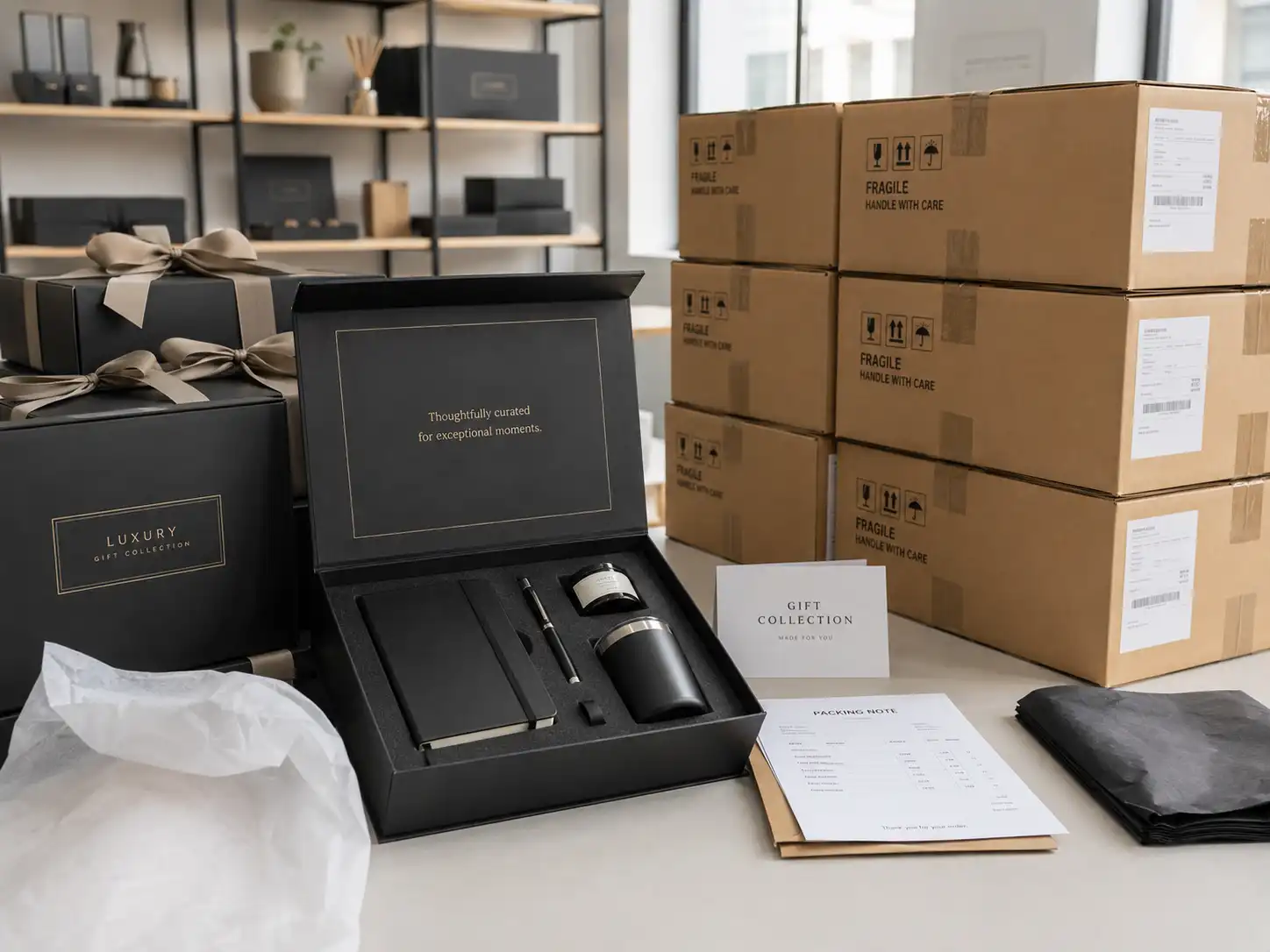
Before asking for pricing, prepare the main project details. Product size and weight are the starting point. Photos or reference packaging help the factory understand the intended style. Quantity affects material purchasing, printing setup, and unit cost. Artwork affects printing, foil stamping, embossing, and surface treatment.
Useful details include:
- Product dimensions and product weight
- Number of products per box
- Preferred box style
- Insert type or reference layout
- Artwork files or design direction
- Surface finish request
- Quantity range
- Packing method
- Shipping destination
- Expected delivery time
If you are not sure which structure fits the product, send the product details first. The factory can suggest a magnetic box, drawer box, lid and base box, folding carton, or custom paper packaging structure based on real production needs.
For broader project discussion, Gifts Pack factory support can help review structure, sampling, insert development, and export packing before bulk production starts.
Final Thoughts on Choosing a Luxury Gift Box Structure
A luxury gift box should not be judged by the surface design alone. The structure controls the opening feel, product fit, insert stability, production efficiency, carton packing, and shipping result.
A strong packaging project starts with product data, then moves into structure selection, insert planning, material testing, sampling, finishing, and packing checks. That order prevents many late-stage problems.
Bring the product size, weight, quantity, preferred style, artwork direction, and shipping plan into the discussion early. Then the luxury gift box can be developed as a complete packaging system, not a decorated container.


