
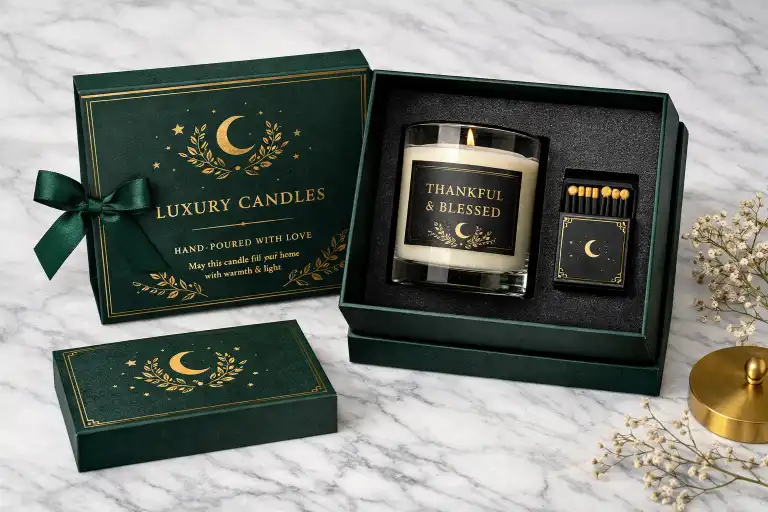
Custom Candle Gift Boxes: Box Styles, Inserts, and Finishes That Sell Better
Candle packaging is rarely just about protection. People do not buy candles the way they buy ordinary functional products. They buy them for mood, gifting, ritual, scent, atmosphere, and how the whole experience feels before the candle is even lit. That is why custom candle gift boxes matter more than many brands first expect. The box is not only carrying the product. It is carrying the feeling around the product too.
That creates a very specific packaging challenge. Candle boxes need to look refined and gift-worthy, but they also have to protect something that is often heavier and more fragile than it appears. Many candle products are packed in glass jars, ceramic vessels, or containers with lids that need stable support. So the packaging has to do both jobs well: create desire and build trust.
For premium candle brands, seasonal launches, holiday gifting, and boutique retail collections, the strongest results usually come from treating the box as part of the product experience. In many cases, that starts with choosing the right rigid box structure, then building the insert, material, and finish around the actual candle format.
1. Why Candle Packaging Needs More Thought Than It Seems
At first glance, candle packaging can look simple. Many projects involve one jar, one box, one lid. But in real production, candle gift packaging has more pressure on it than people often assume.
The product is frequently breakable. The weight can be concentrated in one area. The brand usually wants the packaging to feel premium, calm, and gift-ready. And because candles are often bought for self-care or gifting, the emotional impression of the packaging matters a lot.
This means candle boxes are usually judged on three things at once:
- How elegant they look
- How safe they feel
- How believable they are for the product price point
If any one of those parts feels weak, the whole experience starts to slip.
2. Start with the Candle Format, Not the Artwork
Before thinking about colors, foil, or decorative details, it helps to confirm the actual product format. Candle packaging often changes depending on whether the product is a single glass jar, a ceramic vessel, a travel candle, a multi-piece set, or a seasonal collection with accessories.
That matters because the packaging needs to follow the real object, not the brand mood board.
Before finalizing a candle box structure, confirm:
- The exact size of the candle vessel
- The total filled weight
- Whether the candle includes a lid or dust cover
- Whether the box contains one candle or multiple items
- Whether the set includes cards, matches, or gifting extras
These details shape the insert, the box depth, and how the product should be presented when opened.
3. Best Box Styles for Candle Gift Packaging
The right box style depends on how the candle will be sold and what kind of brand impression it needs to create. For premium gifting, rigid structures are usually the strongest option because they support both protection and presentation well.
Popular box styles for candle gift packaging include:
- Magnetic closure rigid boxes for premium gifting and curated sets
- Lid-and-base rigid boxes for classic luxury presentation
- Drawer boxes for one-candle or two-candle premium formats
- Mailer boxes with inserts for e-commerce candle gift sets
The best choice is usually the one that matches the brand tone and the sales channel. A boutique candle brand in a luxury retail setting may want a quieter, more refined structure. A seasonal gifting program may need a box that feels more celebratory without becoming visually heavy.
4. The Insert Is What Protects the Glass
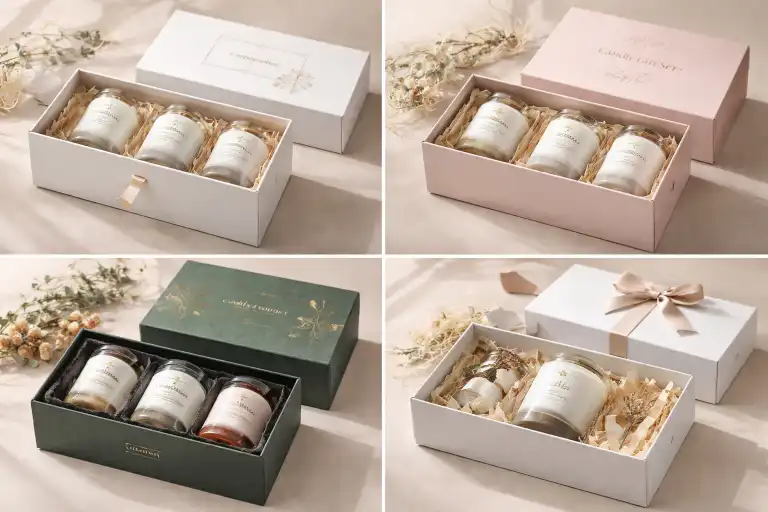
For candles packed in glass, the insert matters just as much as the outer box. Without a proper insert, the jar may shift, knock into the sides, or feel unstable in the customer’s hand. Even if no breakage happens, loose fit can still make the packaging feel less premium.
A good insert helps the candle feel deliberate inside the box. It supports the jar, controls movement, and makes the opening experience feel calm instead of messy.
Common insert choices include:
- Paperboard inserts for lighter candle formats and cleaner paper-based presentation
- EVA inserts for a more luxury fit and smoother presentation
- Foam inserts for stronger cushioning where needed
- Layered inserts for gift sets with accessories or printed cards
The insert should always be designed around the real jar size and weight, not approximate measurements.
5. Candle Packaging Has to Feel Emotional, Not Merely Decorative
Candle brands often succeed because they sell more than wax and fragrance. They sell calm, comfort, atmosphere, ritual, or mood. That means the packaging should not just “look nice.” It should feel aligned with the emotional world of the brand.
A good candle gift box often feels:
- Warm rather than loud
- Refined rather than crowded
- Gift-worthy rather than overworked
- Tactile rather than flat
This is one reason candle packaging often benefits from restraint. A strong structure, a carefully chosen paper, and one or two thoughtful finishes usually feel more convincing than too many visual effects layered together.
6. Premium Does Not Mean Overdesigned
In candle packaging especially, too much design can make the box feel less premium instead of more. If the brand already has a strong scent story, a refined jar, or a distinctive vessel shape, the packaging often works better when it supports that identity instead of competing with it.
Many premium candle boxes work because they stay calm:
- A quiet color palette
- A subtle logo treatment
- A tactile paper choice
- A neat insert
- A balanced amount of empty space
That kind of control usually reads as confidence. And confidence is what makes a candle gift box feel higher-end.
7. Finishes That Usually Work Well for Candle Brands
Because candle products are often sold through mood and atmosphere, the finish choices matter a lot. The surface of the box helps communicate whether the product feels minimal, luxurious, natural, modern, festive, or boutique.
Finishes that often work especially well for candle gift boxes include:
- Matte lamination
- Soft-touch lamination
- Textured specialty paper
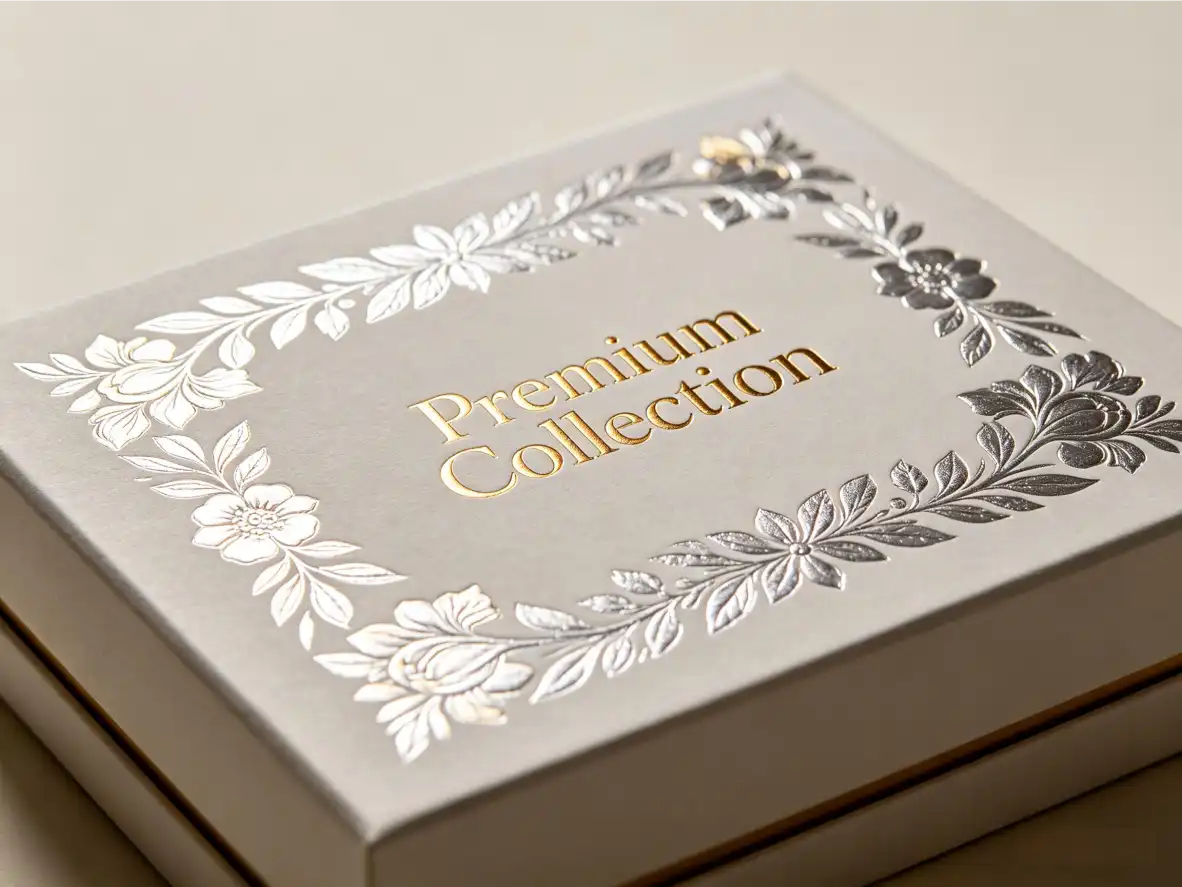
- Foil stamping for subtle logo emphasis
- Embossing or debossing for quiet depth
These finishes are often more effective than louder effects because they add tactile value without disturbing the calm visual mood that many candle brands rely on.
8. Different Candle Brands Need Different Packaging Voices
Not every candle brand should look the same. A luxury hotel-style candle line and a handmade botanical candle brand may both want premium packaging, but the material and finish decisions should not feel identical.
For example:
- A minimalist luxury candle brand may suit matte paper, blind embossing, and a very restrained layout
- A warmer boutique gifting brand may suit textured paper and soft metallic accents
- A seasonal holiday candle collection may support richer tones and a slightly more expressive finish direction
The goal is not to make every candle box look expensive in the same way. The goal is to make the packaging feel believable for the brand.
9. E-commerce Candle Gift Boxes Need Extra Honesty
If the candle box will be shipped, the packaging needs to work harder. It is no longer enough for it to look refined in a sample photo. It needs to arrive well.
This matters especially for:
- Glass candle jars
- Two-piece or multi-candle gift sets
- Seasonal mailers
- Online gifting programs
Brands should think practically about fit, insert support, and transport handling before approving the final pack. General shipping guidance, such as the USPS packaging recommendations, can help teams think more realistically about parcel conditions. The packaging still needs beauty, but beauty is not enough if the candle arrives damaged.
10. Sampling Matters More Than Most Brands Expect
Candle packaging is one of those categories where the sample tells the truth very quickly. A box that looks good on screen may feel too thin in hand. A jar may fit technically, but not gracefully. The insert may protect the product but make it awkward to remove. The finish may look elegant in a mockup and too cold in real light.
This is why early samples and prototyping are so important. They help brands answer practical questions before mass production starts:
- Does the candle sit securely?
- Does the box feel aligned with the product price?
- Is the opening experience smooth?
- Does the packaging still look premium once the real candle is inside?
That review stage often saves more than money. It saves the overall feel of the launch.
11. What Usually Makes Candle Packaging Sell Better
It is tempting to think better-selling packaging always means more decoration. But for candle products, that is rarely the whole answer.
Packaging usually sells better when it does a few things clearly:
- It feels believable for the product price
- It protects the vessel properly
- It creates a gift-ready impression
- It supports the scent mood and brand world
- It feels complete the moment someone picks it up
That is what turns a candle box into part of the product value instead of just outer packaging.
12. The Best Candle Gift Boxes Feel Calm and Finished
The strongest candle boxes are rarely the ones trying hardest to impress. They are usually the ones that feel most resolved.
The jar fits properly. The insert feels intentional. The surface matches the brand. The opening experience is smooth. The box looks like it belongs to the candle inside, not like it was borrowed from another category.
That is what customers respond to, even if they do not describe it in technical terms. They simply feel that the product is worth giving, worth displaying, or worth buying again.
Conclusion
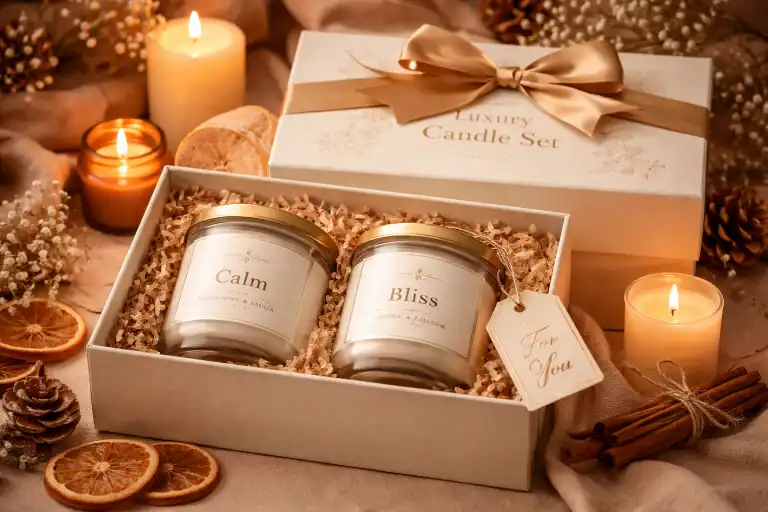
Custom candle gift boxes work best when they balance two things well: protection and atmosphere. The structure has to support the weight and fragility of the candle vessel, while the visual and tactile choices have to support the mood the brand is trying to sell.
The strongest results usually come from choosing the right box style first, then refining the insert, materials, and finishes around the real product. For premium candle brands, that often means thinking beyond basic packaging and treating the gift box as part of the scent experience itself.
If you are developing a candle packaging project, it is worth comparing suitable rigid box formats, reviewing the fit through thoughtful structural design, and confirming the final result with proper sampling and prototyping before production begins.
FAQ
What is the best box style for custom candle gift boxes?
Rigid boxes are often the best choice for premium candle gift packaging because they provide stronger structure, better presentation, and more gift-ready appeal.
Do candle boxes need inserts?
Yes, especially for glass candle jars. Inserts help protect the vessel, reduce movement, and improve the overall unboxing presentation.
What finishes work well for candle gift packaging?
Matte lamination, soft-touch surfaces, textured paper, foil stamping, and embossing are all commonly used because they add tactile value without overwhelming the design.
Can candle gift boxes still work for e-commerce?
Yes, but they need stronger insert support and should be reviewed with shipping conditions in mind, especially for glass containers.
Why is sampling important for candle packaging?
Sampling helps confirm fit, protection, material feel, and overall presentation before mass production begins, which is especially important for heavy or fragile candle vessels.


