
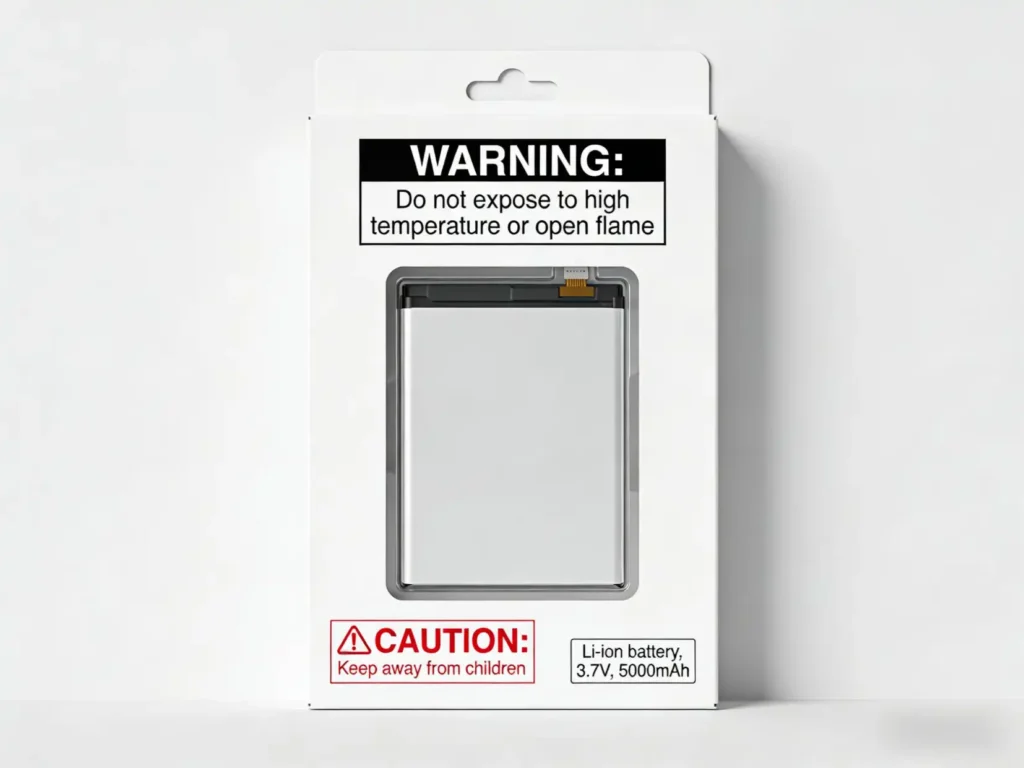
Problem: You are frustrated with the complex shipping rules for mobile batteries.
Agitation: The risk of your shipment catching fire or being rejected by carriers is very real.
Solution: But I can show you a clear path to create packaging that is safe and always gets approved.
To design safe mobile battery packaging, you must use non-conductive inner materials to prevent short circuits. Then, you need a strong outer box to absorb impacts. Always follow the latest IATA regulations and label the package clearly with the correct UN number and hazard symbols. This prevents delays.
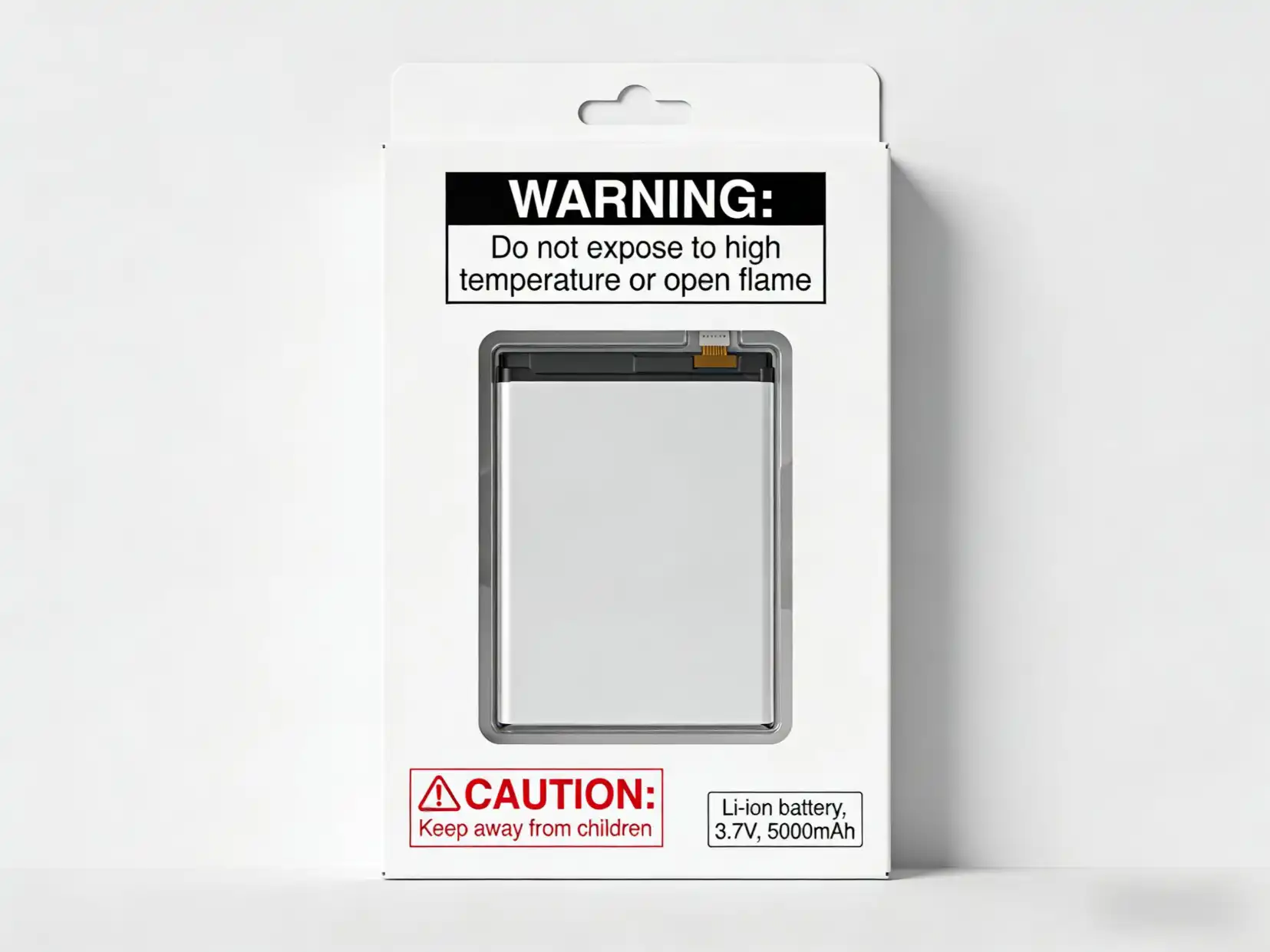
I’ve been in the packaging industry for over 16 years. In that time, I've seen a lot of changes, especially with electronics. Shipping mobile batteries has become one of the most challenging tasks for designers like Peter. The rules are strict for a good reason. A small mistake in packaging can lead to very big problems. But you don't have to feel overwhelmed. I'm going to break down the most important things you need to know. Think of me as your guide. Together, we will walk through the steps to make sure your battery packaging is a success every time. Let's get started.
What are the biggest safety risks with battery packaging?
Are you worried about your battery shipment catching fire? It's a valid concern. A small mistake in packaging design can lead to disaster. Understanding the core risks is the first step to preventing them and giving you peace of mind.
The biggest safety risks are short circuits and physical damage. A short circuit can happen if the battery terminals touch something conductive, like another battery or metal. Physical damage from being dropped or crushed can also trigger a fire. Your packaging's main job is to prevent both of these.
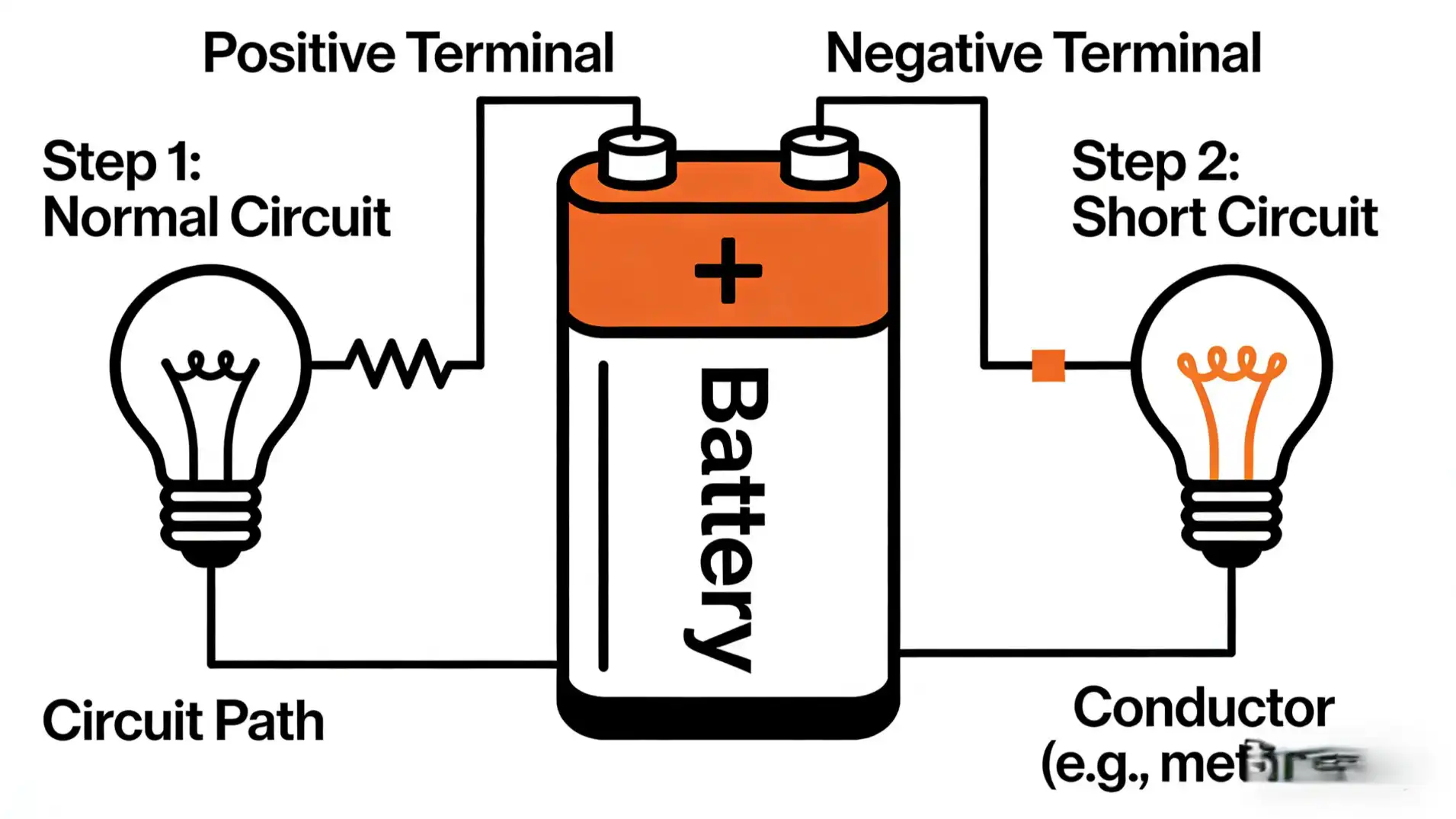
When I talk to my design team, I always tell them to focus on two main ideas: separation and strength. These two principles directly address the biggest dangers. A short circuit happens when a current flows between the positive and negative terminals through an unintended path. This generates a lot of heat very quickly. If the heat can't escape, it can lead to a "thermal runaway," which is a chain reaction that results in fire or an explosion. Physical impacts can crush the delicate structure inside the battery, causing an internal short circuit with the same dangerous result. I remember a case early in my career where a client used simple plastic bags. Two batteries shifted during transit, the terminals touched, and the entire shipment was lost to a fire. It was a hard lesson, but it taught me that proper separation is not optional.
Here is a simple breakdown:
| Risk Type | How It Happens | Prevention Method |
|---|---|---|
| Short Circuit | Battery terminals touch conductive material (metal, another battery). | Use non-conductive inner packaging like blister packs or trays to keep each battery separate. |
| Physical Damage | The package is dropped, crushed, or shaken during shipping. | Use strong outer boxes and cushioning materials like foam to absorb shock and prevent movement. |
| Accidental Activation | A device is accidentally turned on inside the package. | Secure the equipment and protect power buttons to ensure they cannot be pressed during transit. |
How do you meet IATA regulations for air freight?
Are you confused by the IATA (International Air Transport Association) rulebook? It often feels like a maze. A single mistake can get your entire shipment grounded, but the core principles are straightforward once you understand them. Following them is the key to smooth, successful air shipments.
To meet IATA regulations, you must classify the battery correctly. For example, standalone lithium-ion batteries are UN3480. Then, you must use UN-certified packaging that has passed specific performance tests, like a 1.2-meter drop test. You also have to limit the battery's state of charge (SoC) to 30% or less. Finally, proper labeling and documentation are mandatory.
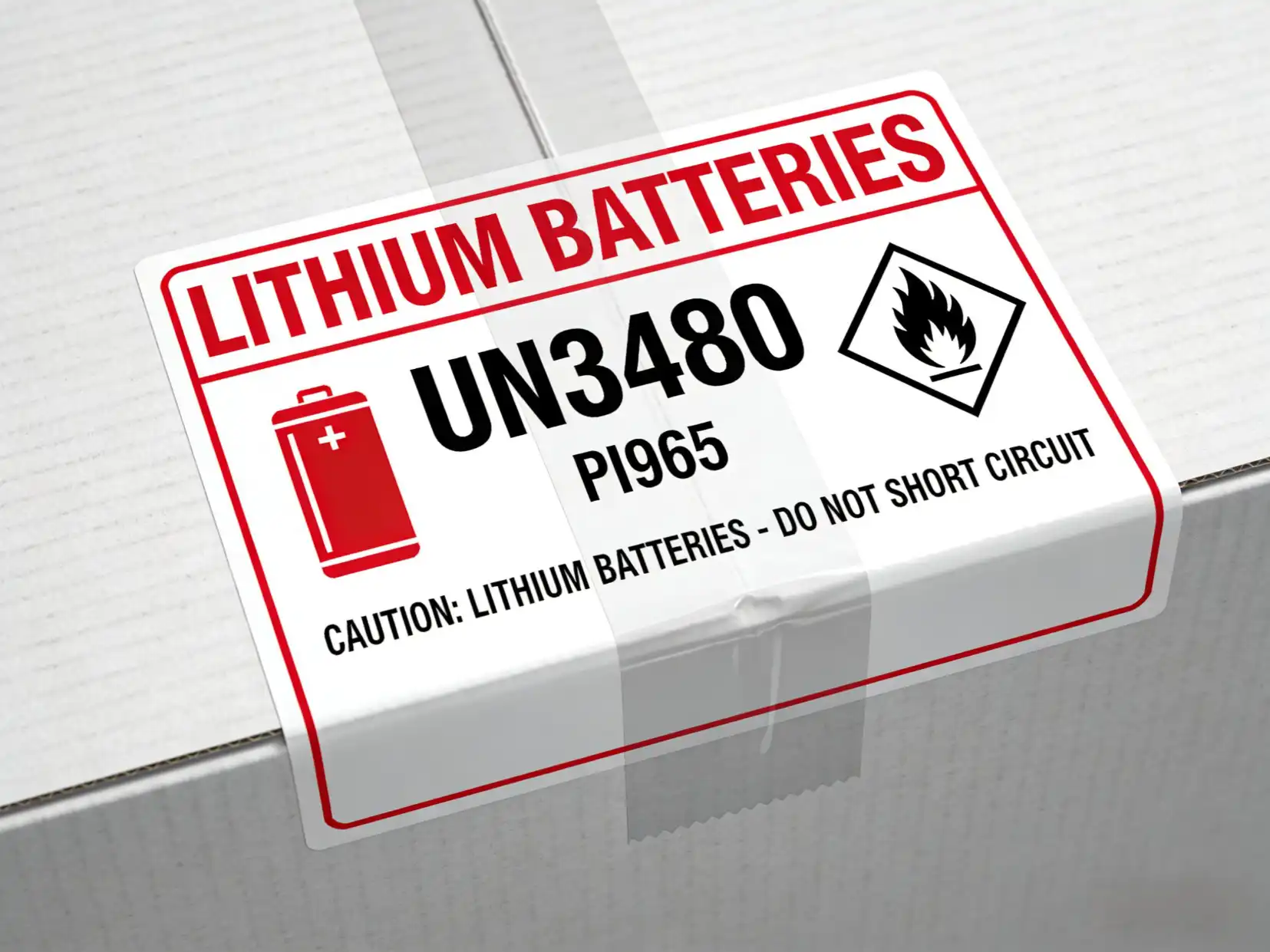
I always tell designers, like Peter, to think of the IATA rules not as a burden, but as a blueprint for safety. Every rule is there because of a real-world incident. Let's break down the essential steps for any packaging designer working on a project for air freight. First, you must know the Watt-hour (Wh) rating of the battery. This determines everything else. Batteries over 100Wh have much stricter rules. Next is the packaging itself. It's not enough for it to just look strong. It has to be certified to handle specific stresses. The drop test is critical; your package must be able to fall from 1.2 meters without the batteries inside being damaged or shifting. The 30% state of charge rule is also a huge factor for air shipments. A less-charged battery has less stored energy, making it much safer if something does go wrong.
Here is a simple checklist for your next air freight project:
| Requirement | Action Item for the Designer |
|---|---|
| 1. Classification | Identify if the battery is standalone (UN3480) or with equipment (UN3481). Check the Watt-hour rating. |
| 2. Packaging | Design with UN-certified materials. Ensure the inner packaging is non-conductive and the outer box can pass a 1.2m drop test. |
| 3. State of Charge (SoC) | Your design and process must account for the client's ability to ensure batteries are at 30% SoC or less before packing. |
| 4. Labeling | Your graphic design must include space for the correct lithium battery mark and any required hazard labels. |
| 5. Documentation | While not your direct job, good design makes it easy for the shipping team to see all necessary info and prepare the Dangerous Goods Declaration. |
What materials are best for mobile battery packaging?
Does choosing the right materials for battery packaging feel like a gamble? If you pick the wrong ones, you risk total failure. But the secret isn't a single magic material. It's about using a smart, multi-layered system that balances safety, compliance, and cost.
The best materials include non-conductive inner packaging like plastic trays or blister packs to keep batteries from touching. For the outer box, you need strong, rigid materials like double-walled corrugated fiberboard that can pass the drop test. Cushioning materials, such as foam inserts, are also vital to prevent movement.

As a packaging veteran, I guide my team to think in layers. Each layer has a specific job. For a designer like Peter, understanding this "system" approach is more important than knowing about any single material. The goal is to create a fortress for the battery. The primary layer is what touches the battery. It must be non-conductive. This is your first line of defense against short circuits. Think custom-molded plastic trays or individual blister packs. The secondary layer is for cushioning. Its job is to absorb shock and stop the batteries from moving, even if the box is dropped or shaken. We often use die-cut polyethylene foam for this because it's firm and resilient. Finally, the tertiary layer, or the outer shipping box, is the tough exterior. It has to be rigid and strong. For most mobile battery applications, a high-quality, double-walled corrugated fiberboard box is the perfect balance of protection and cost-effectiveness.
| Material Layer | Purpose | Common Materials | Key Design Factor |
|---|---|---|---|
| Primary (Inner) | Prevent short circuits. | Blister packs, anti-static bags, plastic trays. | Must keep terminals completely isolated. |
| Secondary (Cushioning) | Absorb shock and impact. | Polyethylene (PE) foam, molded pulp inserts. | Must prevent any movement inside the box. |
| Tertiary (Outer) | Protect from external hazards. | Corrugated fiberboard, rigid plastic boxes. | Must be UN-rated and pass the 1.2m drop test. |
This layered system ensures you meet safety regulations while creating a package that is efficient to assemble and ship.
Conclusion
In the end, designing great packaging for mobile batteries comes down to three things. Prioritize safety above all else. Understand the core regulations. And use a smart, layered approach to materials.


