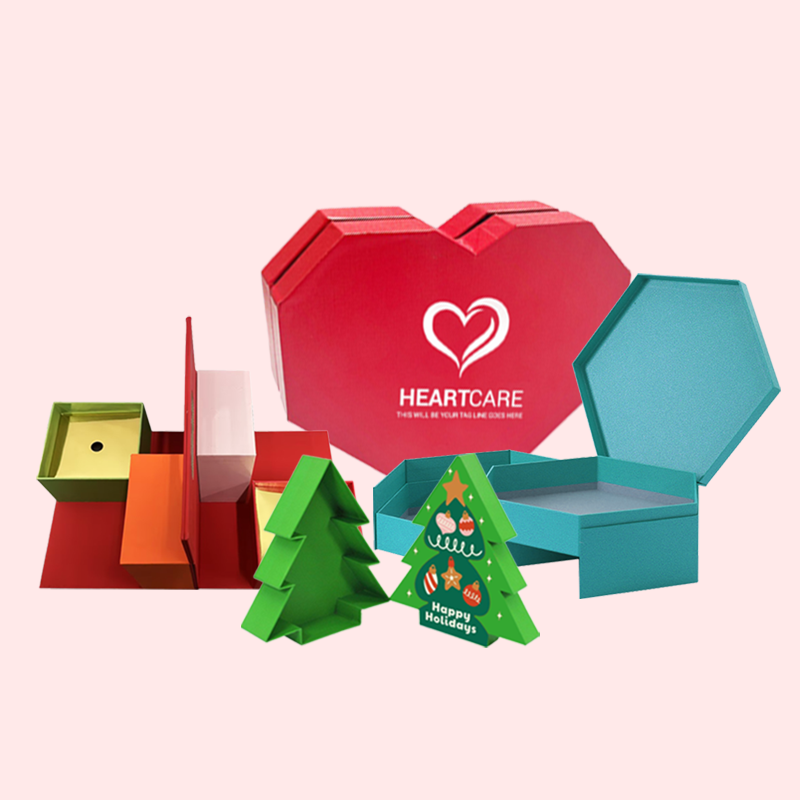
Worried about shoes arriving damaged and disappointing customers? This can tarnish your brand's reputation and lead to costly returns. Proper packaging is your best defense and a great marketing tool.
To package and ship shoes effectively, you need a sturdy corrugated shipping box that's slightly larger than the shoebox. Use materials like tissue paper to wrap the shoes and fill any empty space. Seal the box securely with strong tape and select a reliable shipping carrier.
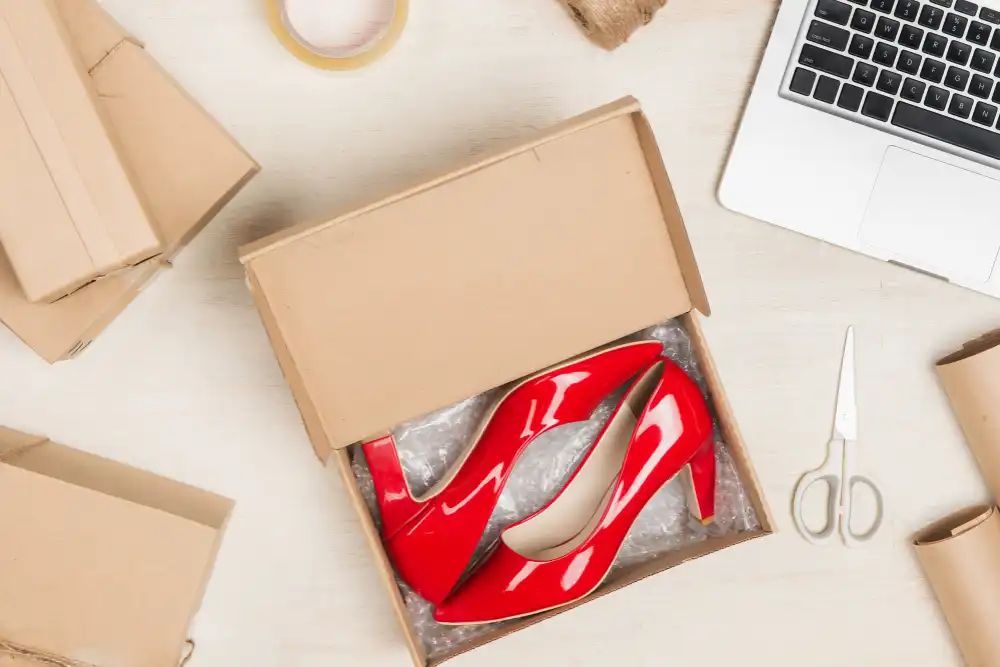
I’ve been in the packaging business for over 16 years, and I’ve seen it all. I remember one client who was shipping beautiful, high-end leather boots. They focused so much on the primary shoebox but then put it in a flimsy, oversized shipping mailer. The boots arrived scuffed, the box was crushed, and the customer was furious. It was a costly lesson for them about how the outer packaging is just as critical as what’s inside. Getting the details right isn't just about protection; it’s about delivering the promise your brand makes. Let's break down exactly how you can get it right every time.
What materials are essential for shipping shoes safely?
Choosing the wrong materials can feel like a gamble. Flimsy boxes and inadequate cushioning often result in damaged products and unhappy customers, which directly impacts your bottom line and reputation.
The key is to select materials that offer both protection and a premium feel. Start with a high-quality corrugated box for shipping. Inside, use custom-printed tissue paper for wrapping the shoes and void fill to prevent movement. Don't forget strong packing tape to seal everything securely.
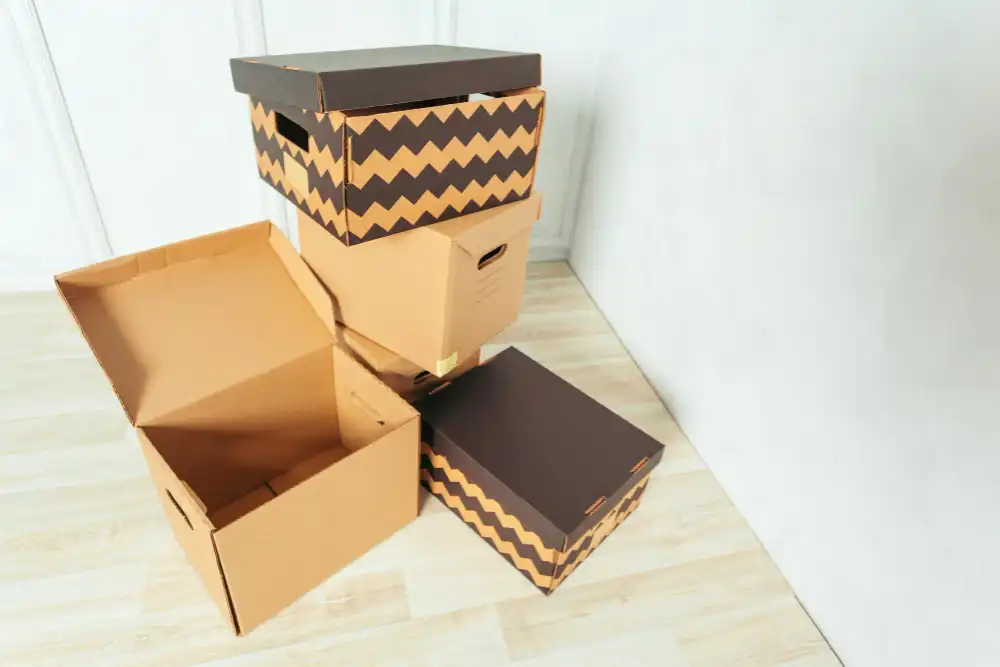
Selecting the right materials is the foundation of successful shoe shipping. It’s not just about a box; it’s about a system of components working together. Over the years, I've helped countless clients refine this system. Let's look at the must-haves.
The Primary Shoebox
This is your first point of contact with the customer. It must be sturdy enough to hold its shape. A rigid paperboard or a thin-profile corrugated material works best. This is also your primary branding canvas. Think about finishes, logos, and the overall design. For a brand I worked with, we switched them from a standard plain box to a custom rigid box with a magnetic closure for their limited-edition sneakers. The perceived value skyrocketed.
The Outer Shipping Box
| This is the workhorse. It needs to withstand the harsh realities of shipping. | Material Type | Best For | Why It Works |
|---|---|---|---|
| Corrugated Cardboard | All shoe types | Provides excellent structural integrity and crush resistance. It's the industry standard for a reason. | |
| Custom Mailer Boxes | Subscription services, e-commerce | Mailer boxes offer a great unboxing experience and can be printed inside and out for maximum brand impact. | |
| Bubble Mailers | Very lightweight shoes (e.g., flip-flops) | Only for non-boxed, flexible footwear. Not recommended for anything in a shoebox as it offers no crush protection. |
Protective Inner Materials
These materials prevent scuffing and movement.
- Tissue Paper: Perfect for wrapping individual shoes. Use custom-printed tissue for an added branding touch.
- Void Fill: Air pillows, packing peanuts, or crinkle paper fill the empty space between the shoebox and the shipping box, preventing shifting.
- Dust Bags: For high-end shoes, a branded cloth dust bag adds a layer of luxury and protection.
How do you create an unforgettable unboxing experience?
Your product is amazing, but it arrives in a boring brown box. The customer’s excitement fades instantly, missing a huge opportunity to build brand loyalty and encourage social sharing.
Transform the unboxing into a memorable event. Use a custom-designed mailer box with internal printing. Wrap the shoebox in branded tissue paper sealed with a sticker. Include a personalized thank-you card or a small gift to create a lasting positive impression.
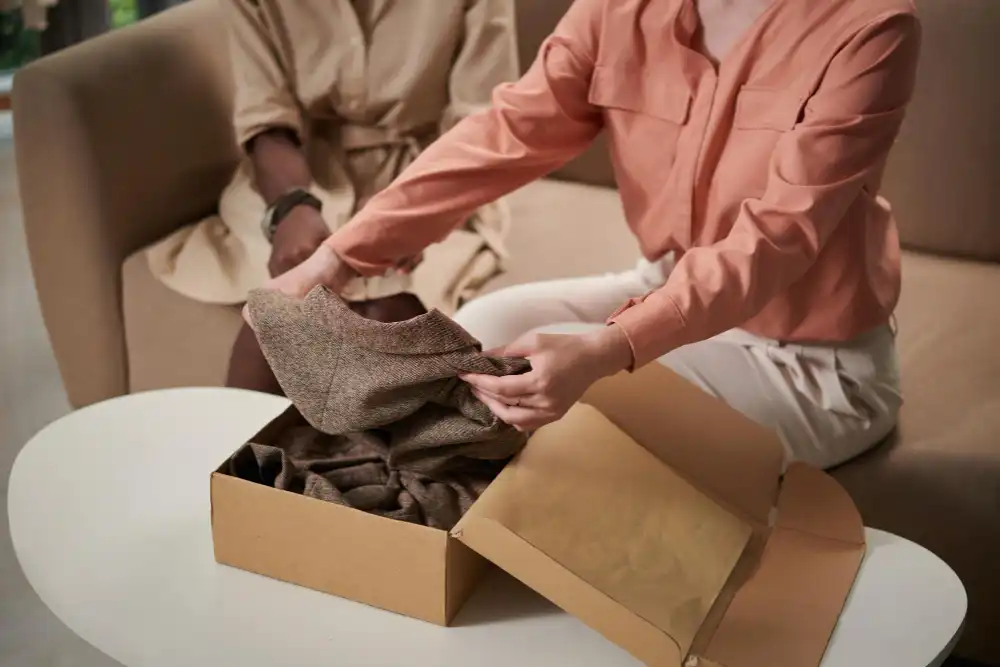
An unboxing experience is your brand’s physical handshake with the customer. In my experience, the brands that grow the fastest are the ones that obsess over this moment. I once helped a startup shoe company design their packaging. We didn't have a huge budget, but we focused on smart details. Instead of a standard mailer, we used one with a unique tear-strip opener that revealed a "Welcome to the Club" message printed inside. We used vibrant, color-matched crinkle paper that matched their logo. The result? Their Instagram feed was flooded with unboxing videos from happy customers. That's the power of thoughtful design.
Elements of a Great Unboxing
A great unboxing experience feels like a curated journey. Here’s how you can architect it.
1. The Reveal
The moment the customer opens the shipping box should be visually appealing.
- Internal Printing: Print a pattern, brand story, or a simple "Hello!" on the inside of your mailer box. It’s an unexpected touch that shows you care.
- Layering: Don’t just throw the shoebox in. Create layers. Start with the void fill, then the beautifully wrapped shoebox, and maybe a card on top.
2. Sensory Engagement
| Engage more than just sight. | Sensory Element | How to Implement It | Impact on Customer |
|---|---|---|---|
| Touch | Use materials with interesting textures, like matte-finish boxes, soft-touch laminates, or embossed logos. | Creates a feeling of luxury and quality. | |
| Sight | Consistent brand colors, high-quality printing, and clean design. | Reinforces brand identity and looks professional. | |
| Smell | A lightly scented sachet or tissue paper can create a powerful, memorable association. | Evokes emotion and elevates the experience. |
3. Personalization
Make the customer feel special.
- Handwritten Notes: Even a pre-printed card with a space for a handwritten name makes a difference.
- Inserts: Include a small flyer with a discount on their next purchase, care instructions for the shoes, or information about your brand's sustainability efforts.
What is the step-by-step process for packing shoes like a pro?
You have all the right materials, but you're not sure of the exact steps. An improper packing sequence can undo all your hard work, leading to shoes shifting, scuffing, or boxes breaking open.
Follow a clear, repeatable process. Wrap each shoe, place them in the shoebox, add cushioning, then place the shoebox in the shipping box. Fill all voids, add your inserts, seal it, and label it.

Consistency is everything in business, and that includes your packing process. A standardized process ensures every customer gets the same great experience and minimizes the risk of errors. At Giftspack, we often help clients create packing station guides for their fulfillment teams. A simple, illustrated poster can make all the difference in maintaining quality at scale. Let’s walk through the definitive process.
Step 1: Prepare the Shoes and Shoebox
- Inspect the Shoes: First, give the shoes a final quality check. Make sure there are no defects and that they are clean.
- Wrap Each Shoe: Gently wrap each shoe in acid-free tissue paper. This prevents them from rubbing against each other and scuffing the material. For boots or shoes with delicate embellishments, consider using a foam wrap.
- Position in Shoebox: Place the shoes in the primary shoebox, typically heel-to-toe to save space. Add a bit of crumpled tissue paper or a cardboard insert between them for extra stability.
Step 2: Prepare the Shipping Box
- Choose the Right Size: Select a shipping box that is just large enough to fit the shoebox with about 1-2 inches of clearance on all sides. Too big, and you'll waste money on void fill; too small, and there's no room for protective cushioning.
- Create a Bottom Cushion: Place a layer of void fill, like crinkle paper or an air pillow, at the bottom of the shipping box. This acts as the first line of defense against drops.
Step 3: Pack, Fill, and Seal
- Center the Shoebox: Place the shoebox in the center of the shipping box, on top of the cushioning layer.
- Fill the Voids: Use more void fill to pack firmly around all four sides and on top of the shoebox. The shoebox should not be able to move at all if you shake the shipping box.
- Add Your Inserts: Place your thank-you card, return slip, or promotional materials on top before closing the box.
- Seal with the H-Tape Method: Close the box flaps and use strong packing tape to seal the center seam. Then, tape along the two edge seams. This creates an "H" shape and is the most secure way to seal a box.
How can you optimize shipping to save money and time?
Shipping costs are eating into your profits. Choosing the wrong carrier or service level can lead to overspending or slow delivery times, frustrating both you and your customers.
To optimize shipping, you must compare rates from different carriers. Use a shipping software platform to access discounted rates. Keep your packaging as lightweight and compact as possible to minimize dimensional weight charges.

This is where the operational side of the business meets the customer experience. Fast and affordable shipping is no longer a perk; it's an expectation. I've seen many businesses with great products and packaging struggle because their shipping strategy wasn't thought out. The key is to be strategic and constantly evaluate your options. Don’t just "set it and forget it." Carrier rates and rules change, so a yearly review of your shipping partners and methods is a smart move.
Understanding Shipping Costs
Costs are generally determined by a few key factors. Knowing them helps you control them.
1. Weight and Dimensional Weight
- Actual Weight: The weight of the package on a scale.
- Dimensional (DIM) Weight: A calculation used by carriers to charge for the space a package takes up. The formula is typically (Length x Width x Height) / Divisor. Carriers will charge you for whichever is greater—actual or DIM weight.
- How to Optimize: Use the smallest box possible without compromising protection. This is the #1 way to control DIM weight costs.
2. Shipping Zones
Carriers use zones to measure the distance a package travels. The higher the zone number (the farther it goes), the more it costs.
- How to Optimize: If you have high-volume regions, consider using a third-party logistics (3PL) provider with warehouses in those areas. Shipping from a closer warehouse reduces zone numbers and costs.
Choosing the Right Carrier and Service
Comparing carriers is crucial. Each has its strengths.
| Carrier | Best For | Considerations |
|---|---|---|
| USPS | Lightweight domestic packages (under 2 lbs). | Often the most cost-effective for smaller packages. Priority Mail offers a good balance of speed and price. |
| UPS | Heavier domestic packages, guaranteed delivery times. | Excellent tracking and reliability. Ground service is great for less time-sensitive shipments. |
| FedEx | Express and time-sensitive deliveries, international shipping. | Known for speed and premium services. FedEx Ground is a strong competitor to UPS Ground. |
Using a shipping platform like ShipStation, Shippo, or Pirate Ship can consolidate these carriers into one dashboard and give you access to commercial pricing, which is significantly cheaper than retail rates.
Conclusion
Properly packaging and shipping shoes protects your product, enhances your brand, and delights your customers. By focusing on quality materials, a memorable unboxing, and a smart shipping strategy, you win every time.