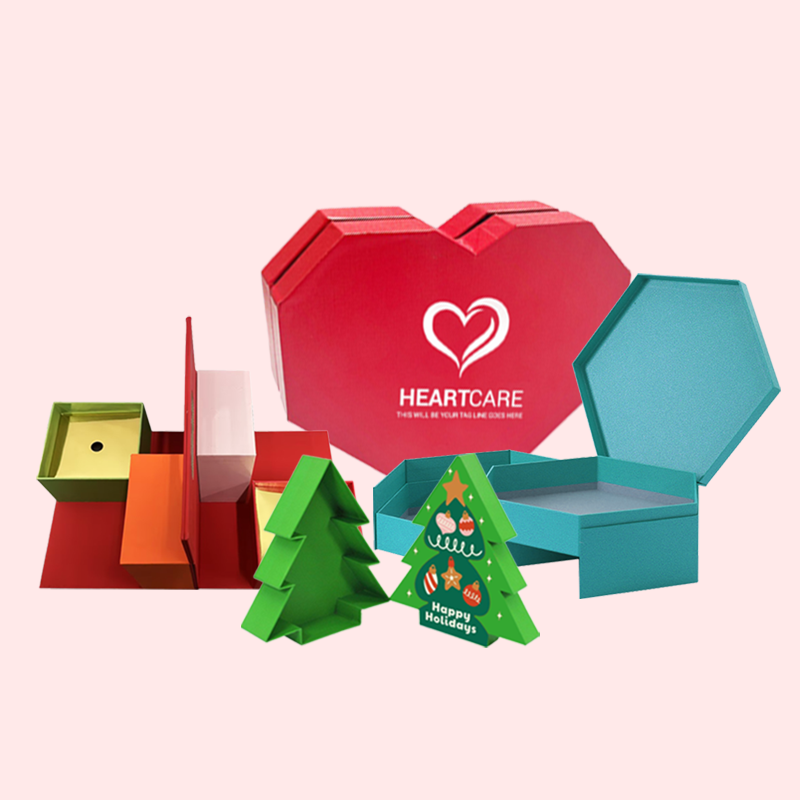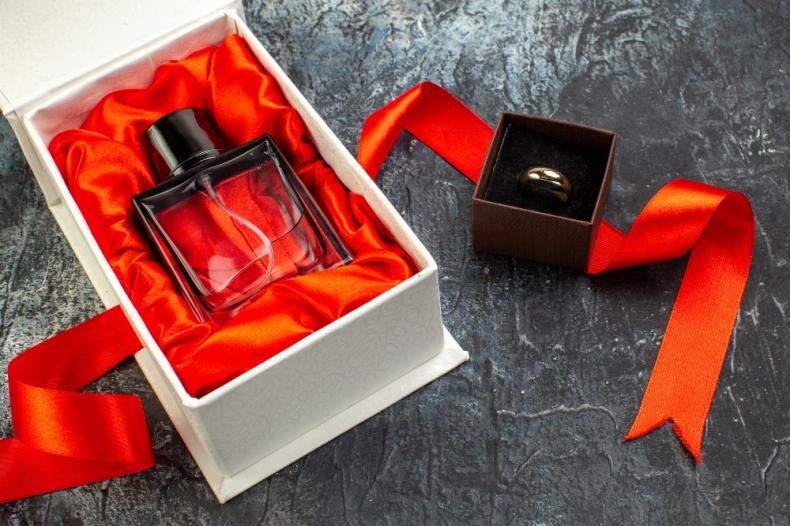
Your packaging looks okay, but it fails to create a 'wow' moment. This missed opportunity means fewer social media shares and a forgettable brand reception, costing you valuable customer loyalty.
Rigid boxes create an unforgettable unboxing experience through their premium feel, structural variety, and custom options. By focusing on tactile materials, engaging opening mechanisms, and personalized inserts, you turn a package into a memorable brand interaction that customers love to share.
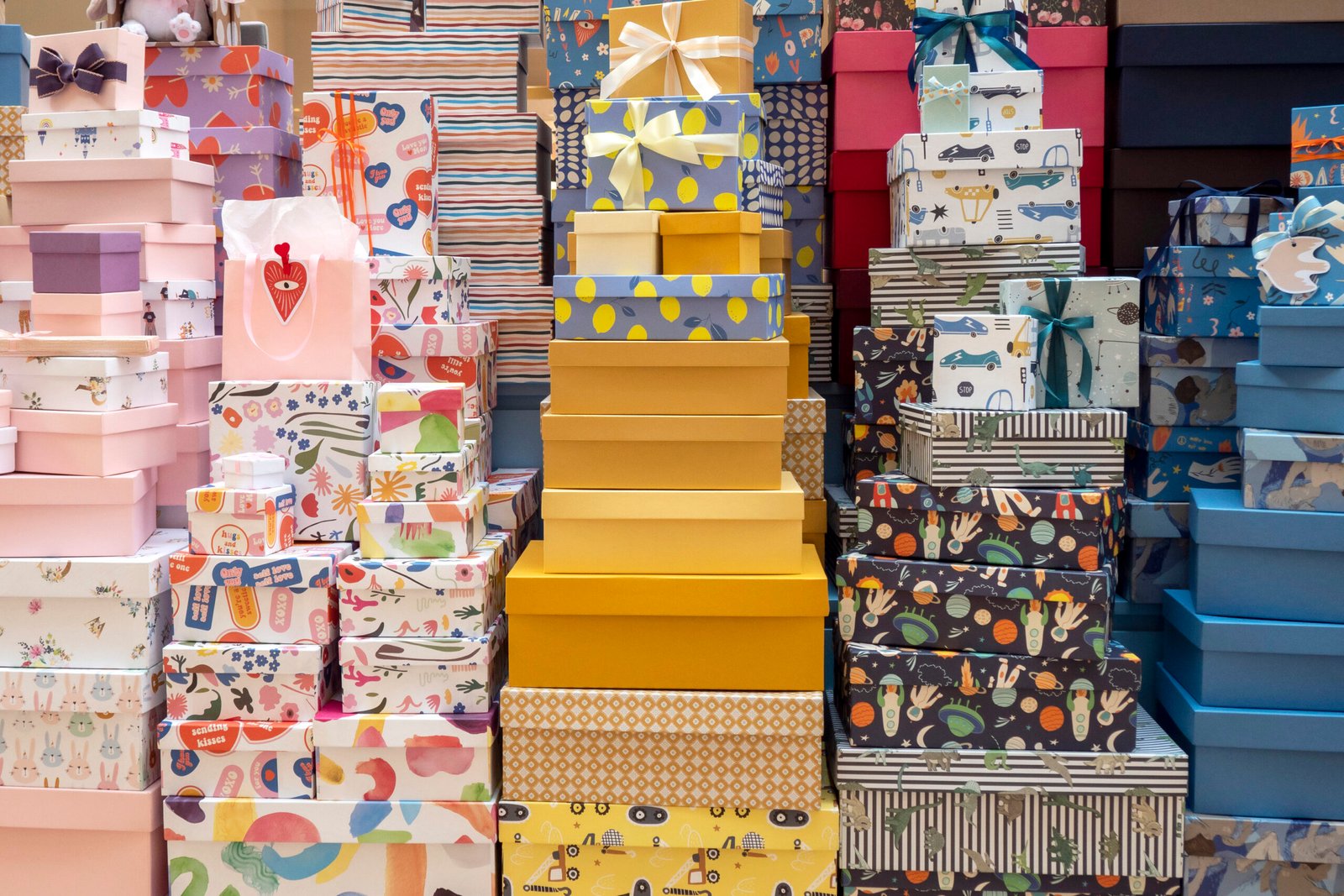
When I first started in the packaging industry over 16 years ago, a box was just a container. Its job was to protect the product. But today, a box is so much more. It's the first physical handshake your brand has with a customer. For a designer like you, Peter, I know you understand that this first impression is critical. It sets the stage for everything that follows. The right box doesn't just hold a product; it elevates it.
Let's explore how you can use rigid boxes to craft an experience that people will not only remember but will also want to talk about.
How do structural design and materials elevate the unboxing feel?
Your standard box feels generic and doesn't stand out. This can undermine your product's perceived value before the customer even sees it, making your hard work feel like an afterthought.
Structural design and materials are the foundation. A magnetic closure box adds a satisfying snap, while a drawer-style box builds suspense. Materials like soft-touch paper or textured wraps add a tactile luxury, elevating the experience and making the physical interaction feel premium.

The physical interaction with the box is the first step of the unboxing journey. The structure dictates how the customer opens the package, which can create feelings of anticipation, luxury, or surprise. I once worked with a client on a luxury watch box. We switched from a standard hinged lid to a drawer-style box with a ribbon pull. The simple act of slowly sliding the drawer open created a sense of ceremony that a simple lid couldn't match. It completely changed the perception of value.
Structure and Material Choices
The structure and the paper it's wrapped in work together. A heavy, thick greyboard gives the box a substantial, premium weight. The wrap paper provides the tactile experience. Soft-touch lamination feels modern and velvety, while a linen-textured paper can feel classic and elegant.
Here is a simple breakdown of how different structures can create specific feelings:
| Box Structure | Associated Feeling & Experience | Best For |
|---|---|---|
| Magnetic Closure | Secure, premium, satisfying 'snap' sound | Electronics, cosmetics, high-end gifts |
| Drawer Style (Slider) | Ceremony, suspense, anticipation | Jewelry, watches, delicate items |
| Hinged Lid (Neck Box) | Classic, sturdy, revelatory | Board games, spirits, presentation kits |
| Collapsible/Foldable | Practical, space-saving, surprising strength | E-commerce, subscription boxes, apparel |
Choosing the right combination of structure and material is your first major decision in designing a memorable experience.
What role does custom printing and finishing play in brand storytelling?
Your box has a logo, but it isn't telling a story. Customers see your brand as one-dimensional, and the packaging fails to communicate the quality or philosophy behind the product inside.
Custom printing and finishing transform a box into a brand messenger. Foil stamping signals luxury, embossing adds tactile sophistication, and a spot UV creates visual contrast. These details make your brand identity tangible and reinforce its core values to the customer.

Printing and finishing are where you can truly let your brand's personality shine. These details are not just decorations; they are communication tools. For a skincare brand I worked with, they wanted to convey a message of being natural and clean. We used a simple, uncoated, earth-toned paper wrap with just a single debossed logo. The texture of the paper and the subtlety of the logo told a more powerful story about their brand than a glossy, colorful box ever could. It felt honest and pure.
Bringing Your Brand to Life
Think about what you want the customer to feel. Is your brand playful? Minimalist? Ultra-luxurious? Your choice of finishing can directly support that message. Don't forget the inside of the box. A surprise pattern or a simple "Welcome" message printed on the inside of the lid can be a delightful touch that deepens the experience.
Here’s how different finishes can align with a brand's identity:
| Finishing Technique | Brand Aesthetic & Story |
|---|---|
| Hot Foil Stamping | Luxury, exclusivity, celebration |
| Embossing/Debossing | Subtlety, sophistication, craftsmanship |
| Spot UV Varnish | Modern, sleek, highlights key details |
| Matte Lamination | Understated, elegant, smooth feel |
| Gloss Lamination | Vibrant, energetic, eye-catching |
These techniques turn the box from a container into a conversation piece, telling your brand's story before the product is even revealed.
How can you integrate functional inserts to enhance the user journey?
Your products are rattling around inside the box. This looks messy, feels unprofessional, and can even lead to damage, ruining the premium feeling created by the outer box.
Functional inserts are crucial for organizing and presenting products. Custom-fit foam, molded pulp, or die-cut cardboard securely holds items. This not only prevents damage but also creates a "stage" for the product, making the reveal feel deliberate and special.
The insert controls the reveal. It's the difference between opening a treasure chest and opening a shipping carton. As a designer, this is your opportunity to direct the customer's attention. I remember designing a box for a high-end tech gadget. We used a multi-layered EVA foam insert. The top layer held the device itself. When the customer lifted that layer, it revealed a second compartment below with all the accessories nested perfectly in their own cutouts. This sequential reveal turned a simple unboxing into an organized, satisfying journey of discovery.
Staging the Product Reveal
The insert's job is twofold: protection and presentation. The material you choose speaks volumes. Soft, black EVA foam feels technical and protective. A satin-lined cardboard insert feels luxurious. A simple, well-designed cardboard insert can feel eco-conscious and clever.
Here’s a comparison of common insert materials:
| Insert Material | Protection Level | Perceived Value | Best For |
|---|---|---|---|
| EVA Foam | High | High | Electronics, fragile items, tools |
| Paperboard/Cardboard | Medium | Medium | Cosmetics, food items, apparel |
| Molded Pulp | High | Eco-conscious | E-commerce shipping, sustainable brands |
| Satin/Velvet Lining | Low (cosmetic) | Very High | Jewelry, perfume, luxury keepsakes |
A great insert makes the customer feel like the packaging was designed just for them and their product. It shows a level of care that builds immediate trust.
Why is a multi-sensory approach key to a memorable experience?
Your unboxing experience only appeals to the eyes. It's nice to look at, but it's not truly immersive. You are missing chances to connect with customers on a deeper, emotional level.
A multi-sensory approach makes the unboxing unforgettable. The tactile feel of a textured paper, the satisfying 'snap' of a magnetic closure, or even a subtle scent can create powerful emotional connections. Engaging more than one sense makes the experience immersive and memorable.
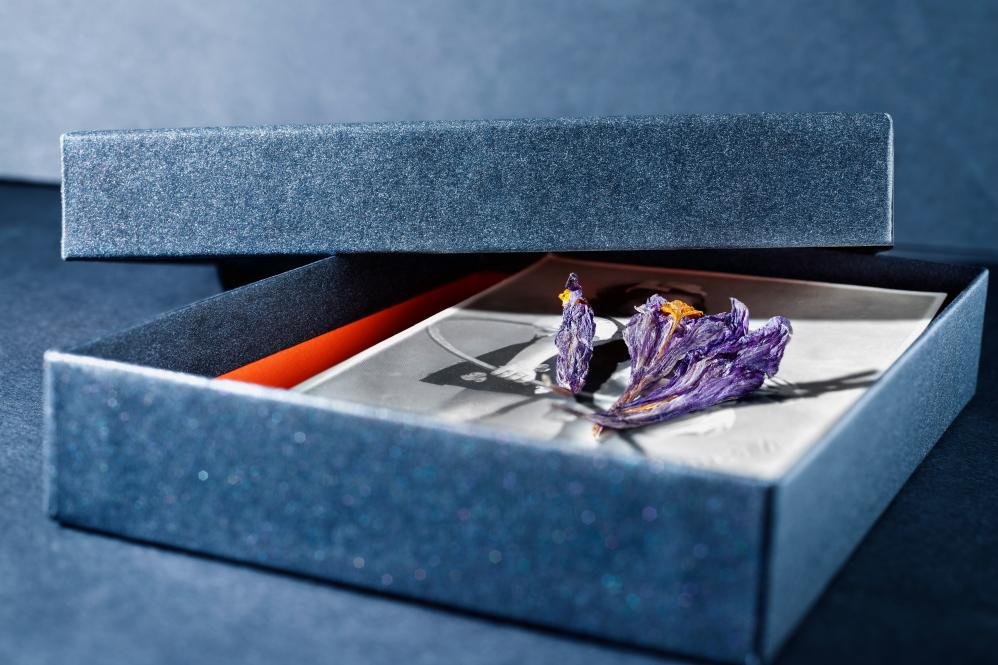
We experience the world through all of our senses, so why should packaging only focus on sight? A truly great unboxing experience is holistic. Think about the weight of the box in your hands (touch). Think about the sound the lid makes as it opens (sound). A client selling high-end leather goods was struggling to convey that quality online. We designed a rigid box with a faux-leather textured wrap and made sure it had a solid, heavy feel. The magnetic closure was engineered to have a sharp, definitive 'click'. Customers started mentioning in reviews that the box 'felt' and 'sounded' as luxurious as the wallet inside. We engaged touch and sound to reinforce the brand promise before they even saw the product.
Engaging All the Senses
You can orchestrate these sensory cues to build a powerful brand impression. Don't underestimate the small details. The crinkle of high-quality tissue paper adds a nice sound and an extra layer to the reveal. The smoothness of a matte finish feels modern.
Here is how you can map sensory inputs to your box design:
| Sense | How to Engage with a Rigid Box |
|---|---|
| Sight | Bold colors, elegant typography, surprise interior printing |
| Touch | Textured paper wraps, embossing, soft-touch lamination, box weight |
| Sound | The 'snap' of a magnet, the smooth slide of a drawer, crinkling tissue paper |
| Smell | Scented paper or a small scented card (for specific industries) |
By layering these sensory experiences, you create a memory that is far more powerful and lasting than a purely visual one. It makes your brand part of the customer's world in a tangible way.
Conclusion
Creating an unforgettable unboxing experience is about thoughtful design. By focusing on structure, materials, storytelling finishes, and sensory details, you turn a simple box into a powerful brand-building tool.