Low minimum custom packaging is not just a box purchase. For small businesses and startups, it is a decision that affects product protection, first impressions, shipping efficiency, and how confidently customers trust the brand. This page explains how smaller brands can order packaging without overcommitting stock or budget, what details matter before you place an order, and how to compare materials, structure, printing, inserts, and lead time without wasting budget. Use it as a practical guide, then turn the final specification into a clear quote request.
To get custom packaging with low minimums, find suppliers who specialize in small-batch runs. For fast turnarounds, choose local partners and use stock box sizes that can be customized quickly with your branding. This approach saves time and money.
Getting the right packaging can feel like a big challenge. You want something that looks great, protects your product, and doesn't break the bank. You might be wondering where to even start. I've been in this industry for over 16 years, and I want to share what I've learned to help you succeed. Let's break down the simple steps to make this process easier for you.
Choose Structures That Fit Smaller Runs
Does generic packaging make your product blend in? You want to stand out, but you might think custom options are too expensive. Using a plain box is a missed opportunity.
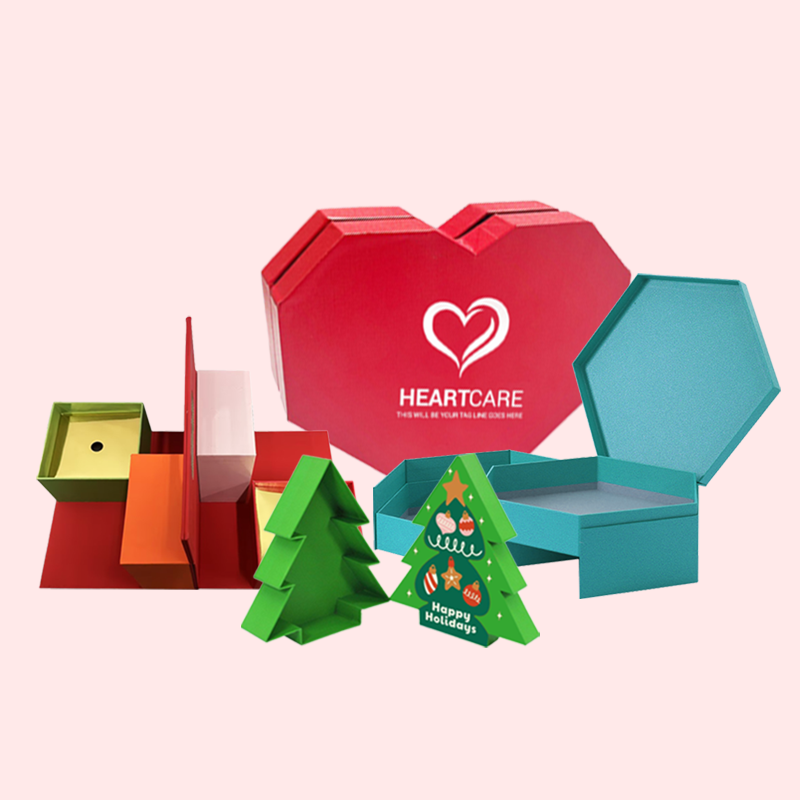
Not every style is practical for a low-volume project. Use this section to explain which box types, print methods, and finish combinations are easier to produce at smaller quantities without losing presentation value. This includes custom sizes, printed logos, and unique colors. It helps your product stand out and gives customers a better experience, setting you apart from competitors.
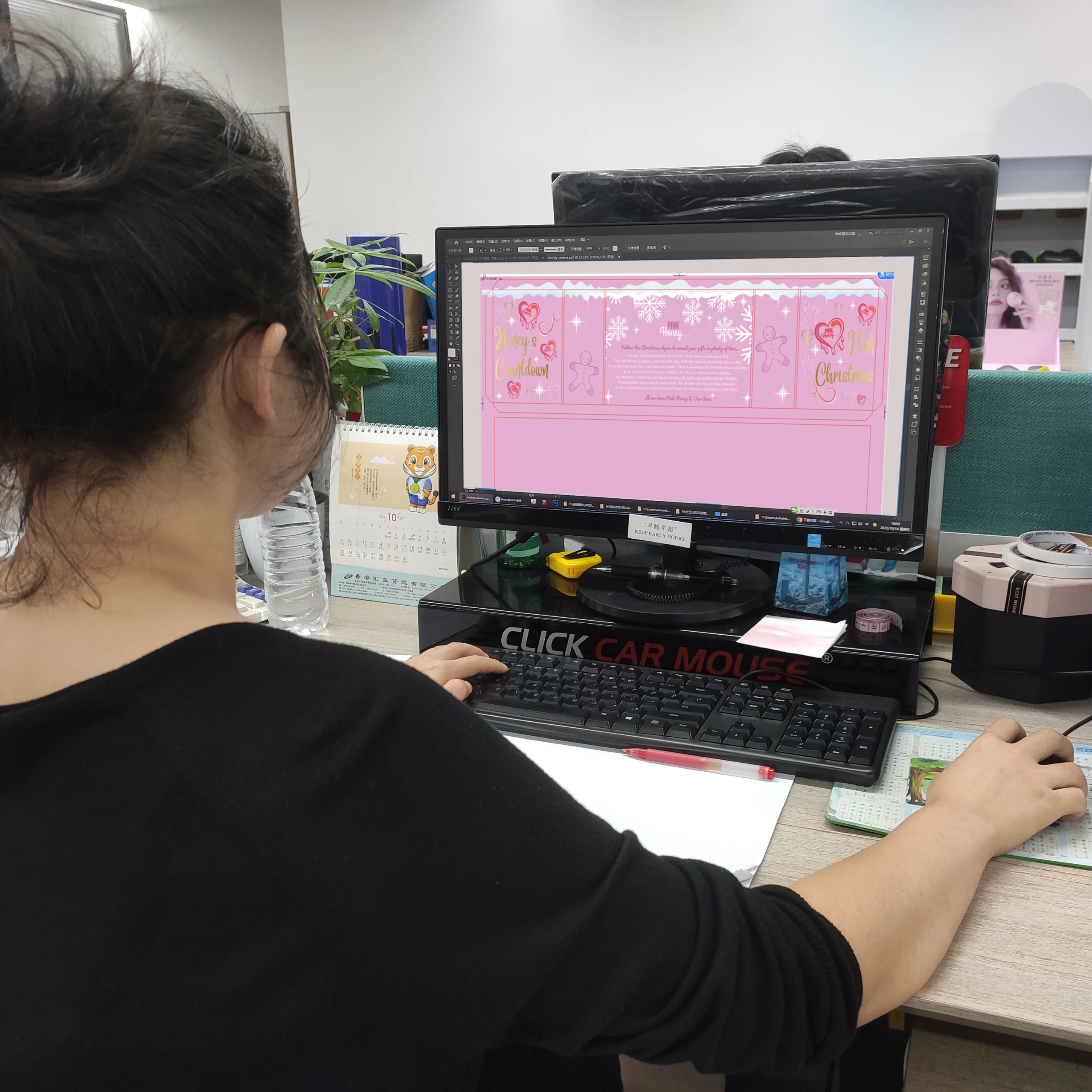
Your packaging is more than just a box. It’s a chance to make a great first impression. For a small business, "custom" touches all parts of the package.
Beyond the Logo: Sizing and Structure
Custom packaging is not just about printing your logo on a box. It starts with getting the size exactly right. A perfect-fit box protects your product better and looks more professional. It also reduces shipping costs because you don't need as much filler material. We once helped a small business selling handmade soaps. By creating a box that fit their bars perfectly, they cut their shipping and material costs by 20%. They used a simple paperboard box, which was strong enough for their light product.
Materials Matter
The material you choose says a lot about your brand. Kraft paper, for example, gives a natural, eco-friendly feel. It's a great choice, and many customers appreciate that it's easy to recycle. A coated white paperboard gives a cleaner, more modern look, ideal for cosmetics or tech gadgets. Each material has its own strengths. Paper is very versatile, but you must remember its limits. It’s not waterproof, so you might need extra protection for some products.
The Unboxing Experience
Custom packaging thinks about how the customer opens the box. You can design an experience that feels special. This could be a simple printed message inside the lid or a custom insert that holds your product securely. These little details make your brand memorable and encourage customers to share their experience online.
Balance Brand Impact With Real Budget Limits
Are packaging costs eating into your profits? You need to save money but you don't want your brand to look cheap. Overspending here can slow your growth in other areas.
Small businesses often need packaging that looks custom without using every premium option at once. Show how to prioritize one or two high-impact details such as color consistency, a clean insert, or a premium surface finish instead of stacking every add-on.
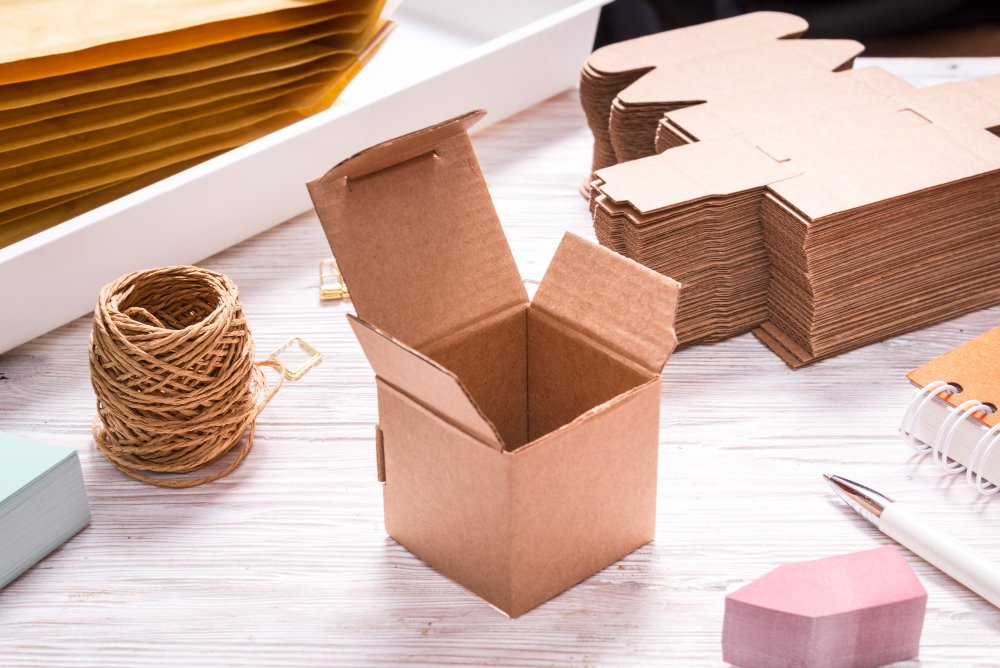
Keeping costs down is important for every small business. But cheap packaging doesn't have to mean bad packaging. There are smart ways to save money and still have a package you're proud of.
Smart Design Choices
Your design choices have a big impact on the final cost. A complex, multi-colored design is more expensive to print than a simple one or two-color logo. I always tell my clients to start simple. A clean, bold design on a quality box often looks more professional than a busy, colorful one. Also, avoid special finishes like foil stamping or embossing if your budget is tight. You can add those later as your business grows.
Strategic Material Selection
The material you pick is a huge part of the cost. As I've seen over the years, paper and cardboard are some of the most cost-effective options. They are lightweight, which saves on shipping, and they are easy to produce. Natural kraft paper is often cheaper than bleached or coated white paper. It also has a popular rustic look that works for many brands.
Here's a simple breakdown of how choices affect cost:
| Feature | High-Cost Option | Low-Cost Alternative |
|---|---|---|
| Printing | Full-Color (CMYK) | 1-2 Color Print |
| Box Size | Fully Custom Shape | Standard Stock Size |
| Material | Thick, Coated Paperboard | Natural Kraft Paper |
| Finishes | Foil Stamping, Embossing | Simple Matte/Gloss Varnish |
Ordering and Supplier Tips
Finding a supplier who understands small business needs is key. Many suppliers have very high minimum order quantities (MOQs). At Giftspack, we built our business to help smaller companies by offering lower minimums. It allows you to test a design without investing thousands of dollars. While buying in bulk lowers the price per box, you don't want to tie up your cash in inventory that sits in a warehouse. Start small, test, and then scale up your order size as your sales grow.
Use Sampling to Reduce Risk Before Production
Starting a business is overwhelming. The sheer number of packaging options can be confusing. Making the wrong choice can lead to damaged products and unhappy customers.
For a small business, one wrong packaging order can delay a launch or eat up margin. Explain how mockups, plain structure samples, or pre-production samples help confirm fit, packing workflow, and presentation before the final order.

Choosing the right packaging is a critical decision. You need to think about what your product is, where it's going, and how you want your customer to receive it. Let's break down how to decide.
Protection First: Shipping vs. Retail
The journey of your product determines the type of box you need. If you're selling online and shipping directly to customers, you need strong packaging. A corrugated cardboard mailer box is the standard choice here. It's built with layers to withstand bumps and drops during transit. If you're selling in a physical store, the box doesn't need to be as rugged. A simple folding carton made of paperboard is often enough. Its main job is to look good on the shelf and protect the product from dust and scratches.
Product-Specific Needs
Think about your product's specific qualities. Is it heavy? Is it fragile? A paper box is great for clothes or books, but it won't work for very heavy items. The paper can tear or crush. I remember a client selling heavy metal parts who tried to use simple paperboard boxes. They learned quickly that they needed sturdier corrugated boxes. If your product is fragile, like glass jars or ceramics, you will need custom inserts inside the box. These inserts hold the product in place and provide extra cushioning.
Primary vs. Secondary Packaging
You might need more than one type of packaging. "Primary packaging" is the container that directly holds your product, like the box your candle comes in. "Secondary packaging" is the box you use to ship it, like the mailer box. A small business needs to think about both. The primary box is for branding and presentation. The secondary box is for protection. Making sure both are right will lead to happy customers and fewer returns.
Prepare a Clear Brief to Speed Up Turnaround
You have a great product, but your brand doesn't feel memorable. Your customers might forget about you as soon as they open the plain shipping box. This is a missed chance for repeat sales.
A faster turnaround usually starts with better information. Invite the reader to send size, quantity, deadline, artwork status, and packaging goals so the quote can be built around a realistic production route.

Your package is a powerful marketing tool. It’s a physical piece of your brand that ends up in your customer's hands. It's your chance to tell a story and make a connection.
The First Impression
For an online business, the package is the first tangible brand experience1. Before a customer even sees your product, they see the box. This first impression matters. A well-designed box creates excitement and anticipation. It tells the customer that the company cares about quality, even in the small details. This builds trust right away. The design, from the colors to the font, should match your overall brand style. Consistency is very important.
Telling a Story with Materials
The materials you use tell a story. In my experience, this is one of the most powerful branding tools. If your brand is all about sustainability, using recycled and recyclable kraft paper shows you are committed to that value. If you sell luxury goods, a thick paperboard box with a soft-touch finish can create a feeling of quality. But it's important to be honest. While paper boxes can look premium, they are not always seen as high-end as metal or wood. Choose the material that best fits your product's story and price point.
Creating a Cohesive Experience
Your brand identity should be consistent everywhere, and your packaging is a key part of that. The look and feel of your box should match your website, your social media, and your product. When a customer receives a package that looks just like they expected from your online presence, it creates a seamless and professional experience. This cohesion makes your brand feel more established and trustworthy. Ultimately, your packaging becomes a silent salesman, reinforcing your brand promise and encouraging loyalty.
Conclusion
Small businesses can get great custom packaging. Focus on smart design choices, find the right supplier, and use your box to tell your unique brand story effectively and affordably.
"Q: Can small businesses still get printed packaging?
A: Yes. The right structure and print setup can make custom packaging practical even for smaller brands.
Q: What if I do not know my final quantity yet?
A: Share your best estimate and target launch window. The supplier can suggest options that fit different order brackets.
Q: How can I keep lead times shorter?
A: Finalize artwork early, simplify the structure where possible, and review samples quickly to avoid repeated revisions."
Planning low minimum custom packaging? Send us your box size, quantity, artwork, finish preferences, and deadline. We will help you narrow down the right structure, material, insert, and production plan for small businesses and startups.
-
Understanding the significance of first impressions can enhance your marketing strategy and customer engagement. ↩