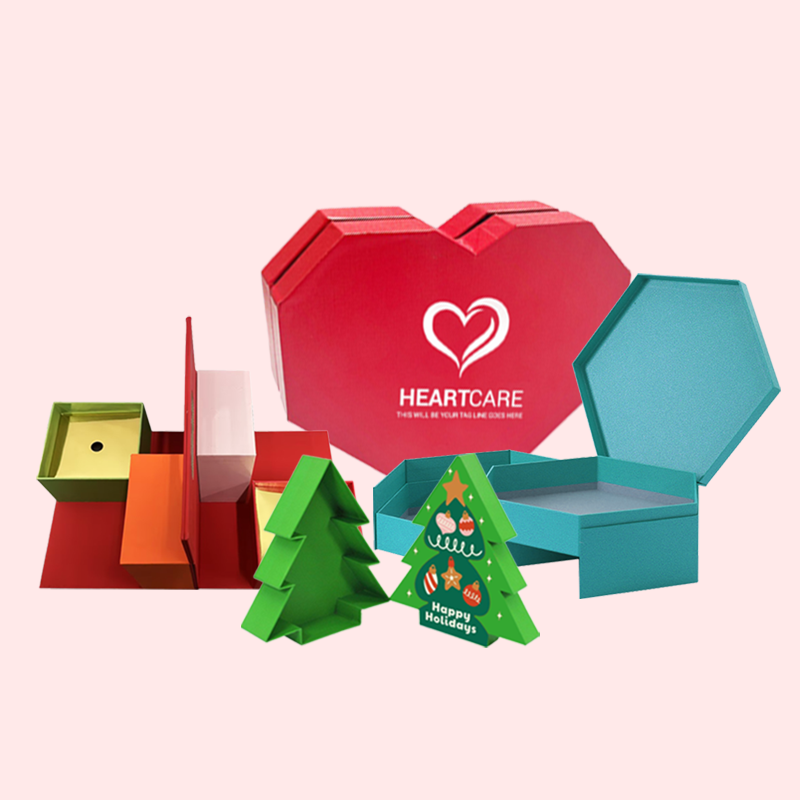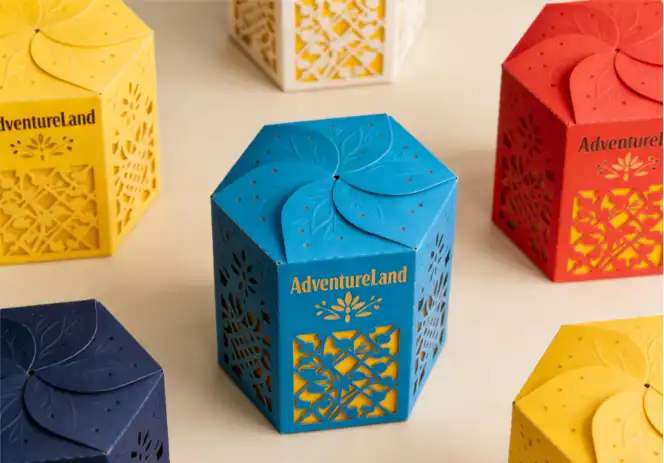
You've designed a great product, but the packaging feels flat. It’s a common problem that can leave your brand struggling to make a memorable first impression on customers.
Yes, custom twist top boxes can be the key. They replace a simple lift-off lid with an engaging twisting mechanism. This interactive opening process immediately captures customer attention, making the unboxing experience itself a memorable part of your product and brand story.
Standing out on a crowded shelf is tougher than ever. As a packaging guy with over 16 years in the business, I've seen countless trends come and go. But one thing that never changes is the power of a great first impression. We put so much effort into the products inside the box, but what about the box itself? A standard box does its job, it holds the product. But it doesn't do much more. It doesn't create a moment or a memory. For a product designer like Peter, who I've worked with on many projects, the challenge is always to bridge the gap between a functional container and a meaningful brand experience. That's where I believe we need to innovate, and it's why I've become so fascinated with more interactive packaging designs.
How Do You Design a Functional and Appealing Twist Top Box?
Your design looks great on screen, but will it work in reality? Creating a complex mechanism from paper can lead to prototypes that are either too loose and feel cheap, or too tight and are impossible to open.
The key is to balance the intricacy of the twisting mechanism with the user's ease of opening. The design must be precise, ensuring the interlocking parts rotate smoothly but provide enough resistance to feel secure. This involves careful consideration of structural tolerances and material thickness.
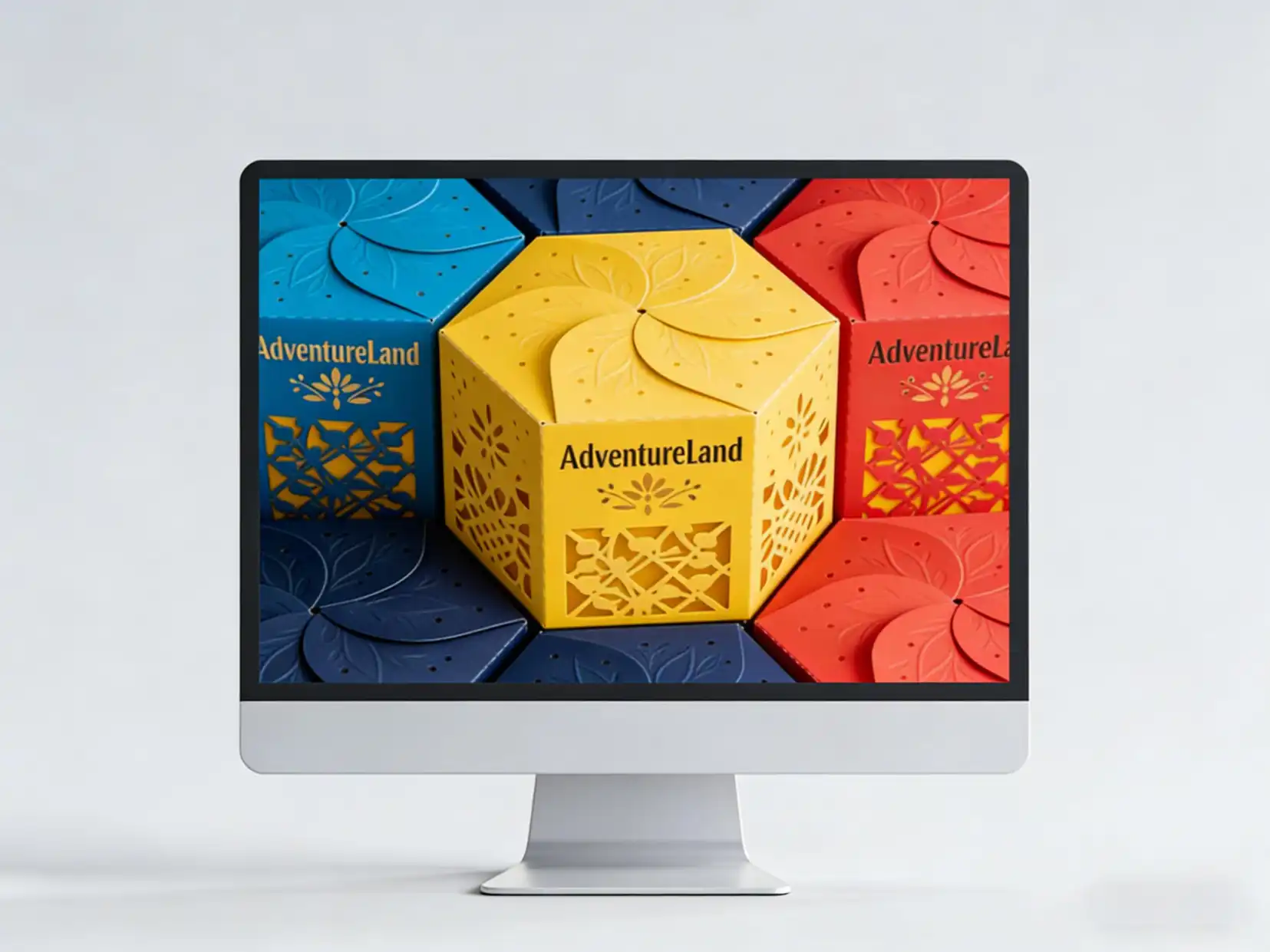
As a designer, your first instinct is to create something visually stunning. But as a manufacturer, I can tell you that when it comes to paper-based mechanisms, function has to come first. A twist top box that’s frustrating to open is worse than a simple, boring box. I remember a project for a client selling high-end audio equipment. Their designer, much like Peter, was brilliant and ambitious. He envisioned a large, square box where the entire top would rotate 90 degrees to unlock. On his 3D render, it looked incredible. But when we started prototyping, we hit a wall. The sheer size and surface area created so much friction that you needed two hands and a lot of muscle to twist it open. We had to go back to the drawing board. The solution was to rethink the contact points. Instead of the entire lid surface creating friction, we engineered a system with a hidden circular ring. The lid rested on this ring, dramatically reducing the surface area and friction. We also added a subtle, internal "click" mechanism, so the user would feel a satisfying tactile bump when the box was locked or unlocked. This experience taught me a valuable lesson that I always share with designers: focus on the physics before the pixels.
| Structural Approach | Core Concept | Best For | Key Design Consideration |
|---|---|---|---|
| Central Pivot | The lid and base are separate pieces that rotate around a central, hidden rivet or post. | Round or square boxes, luxury items. | Ensuring the pivot is strong and perfectly centered to prevent wobbling. |
| Interlocking Tabs | The lid has tabs that slide into and along angled grooves in the base when twisted. | Smaller boxes, cosmetics, jewelry. | The angle of the grooves is critical. Too steep, and it's hard to twist; too shallow, and it might not lock securely. |
| Friction Ring | A nested ring of paperboard inside the lid creates a snug, friction-fit against the base. | Cylindrical containers, premium food items. | The tolerance between the ring and the base must be exact—often within a fraction of a millimeter. |
What Are the Best Materials for Crafting Premium Twist Top Boxes?
You want to create a luxury feel, but your material choices are limited by budget or production constraints. Using the wrong paper or board can make a clever design feel cheap and flimsy, completely undermining the premium experience you want to create.
The solution is to use a rigid, dense paperboard, often called greyboard, for the core structure. The magic then comes from the wrap. High-quality art paper, textured stocks, or even textiles can be laminated onto the board to provide a premium look and feel.
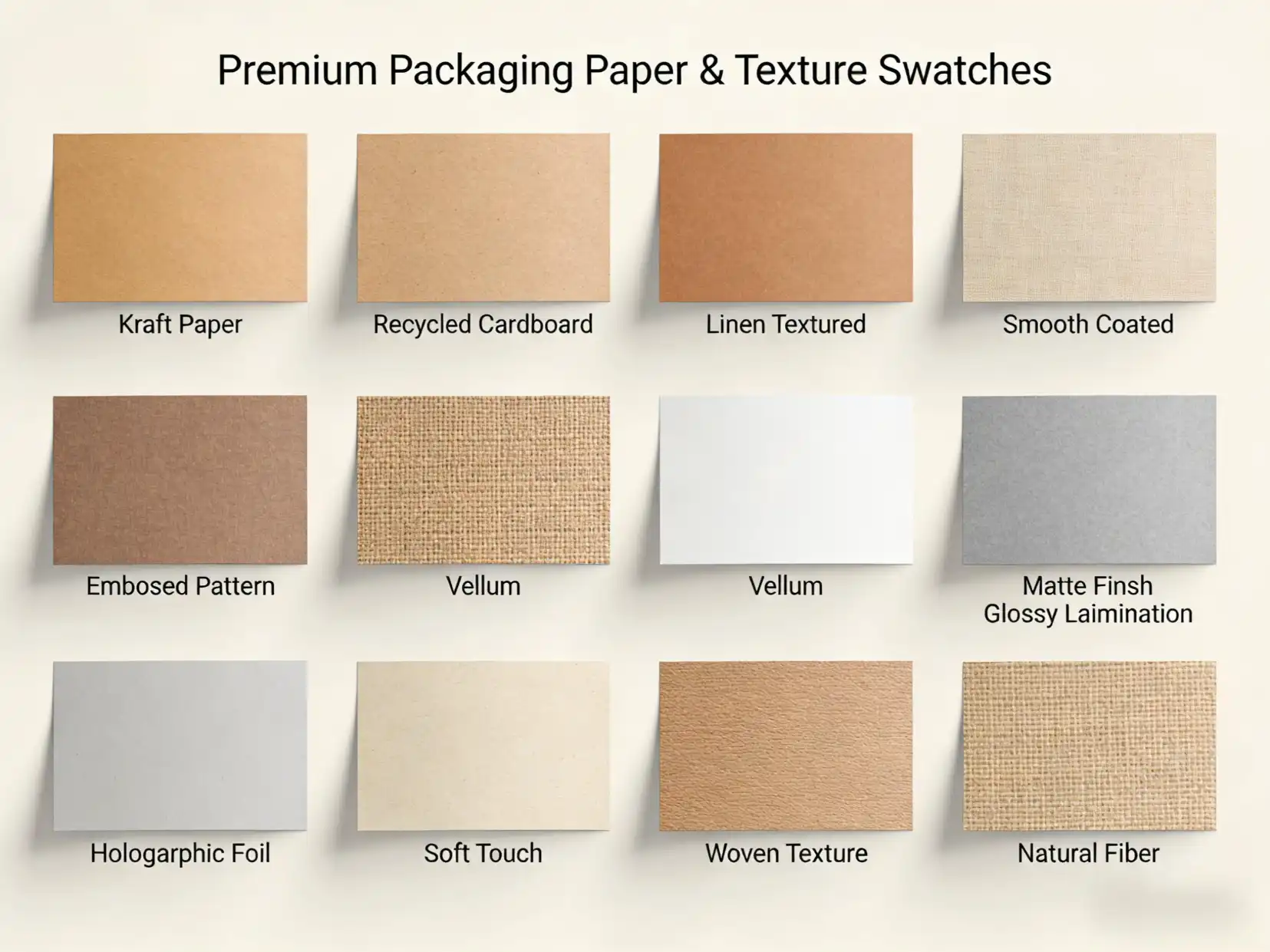
The material you choose is the body language of your packaging. It communicates quality (or a lack thereof) before the customer even opens the box. For a twist top box, the material has to do double duty: it needs to be beautiful and it needs to be strong. The twisting action puts stress on the paper and the structure. A weak board will warp or tear, and a poorly applied wrap will bubble or peel at the edges after just a few twists. My team and I once worked on a box for a specialty tea company. They wanted a twist-off lid on a cylindrical container. Their initial idea was to use a simple, uncoated, recycled paper to emphasize their natural brand identity. During testing, we found the paper was too soft. The friction from twisting caused the fibers to pill and fray, making the package look worn and old after just one opening. We solved this by suggesting a composite structure. We kept the recycled paper for the exterior wrap to maintain their brand aesthetic, but we laminated it onto a much stronger, virgin-pulp paperboard cylinder. This gave the box the rigidity it needed for a smooth twisting motion while preserving the earthy, natural look the client loved. It’s a perfect example of how combining materials can solve both functional and aesthetic challenges.
| Material | Best Use Case | Pros | Cons |
|---|---|---|---|
| 1200gsm Greyboard | Structural core of the box. | Very strong, rigid, provides good weight. | Unattractive, must be covered. |
| Art Paper (157gsm) | Standard, high-quality wrap. | Excellent for printing, smooth surface. | Can feel a bit standard if not finished. |
| Textured Paper | Premium wrap for a tactile feel. | Adds a sensory dimension, looks luxurious. | Can be more expensive, may be harder to print on. |
| Foil Paper | Reflective, eye-catching wrap. | Immediately signals luxury and celebration. | Prone to showing fingerprints and scratches. |
How Can a Twist Top Box Elevate Your Brand's Story?
You have a story to tell, but your packaging is silent. A standard box doesn't offer a narrative; it's a purely functional object that gets discarded and forgotten. This is a massive missed opportunity to connect with your customer.
A twist top box turns the functional act of opening into a narrative experience. The slow, deliberate twist builds anticipation. It’s a moment of discovery that can be designed to mirror your brand's values, whether they are about precision, nature, or playful luxury.
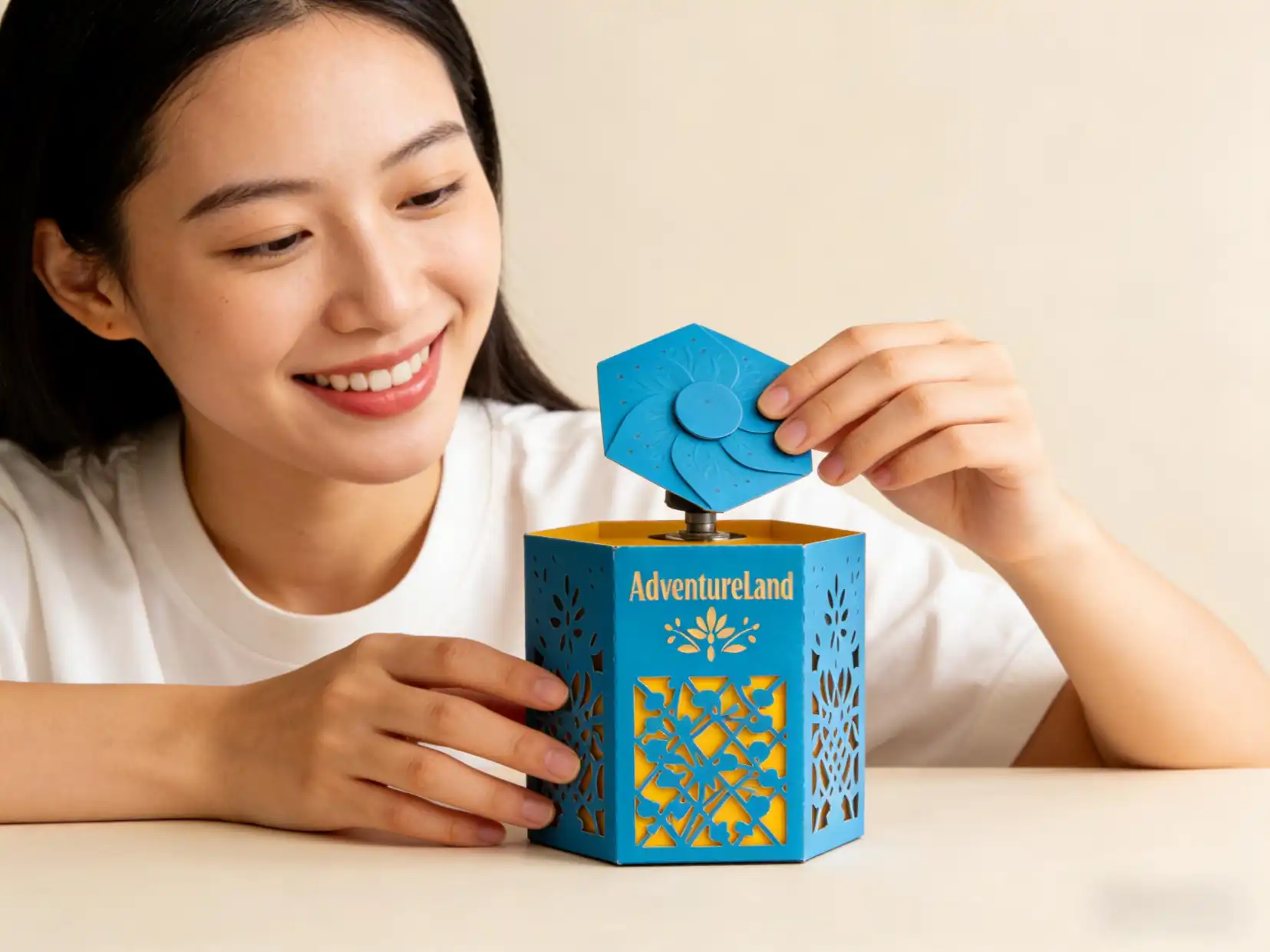
I believe that packaging is the first chapter of your product’s story. A simple lift-off lid is a very short chapter. A twist top box, however, lets you draw it out. It lets you build a little suspense. Think about a luxury watch brand. Their brand story is about precision, craftsmanship, and heritage. Now, imagine a box that clicks open with the satisfying sound of a watch movement, revealing the timepiece slowly as you twist the lid. The packaging is no longer just a container; it's a prologue to the product itself. It's actively telling the story of precision. I worked with a cosmetics brand that was all about natural, floral ingredients. We designed a box that looked like a blooming flower. As you twisted the top, layered paper "petals" on the inside of the box walls opened up, revealing the product at the center. It was mechanically complex to prototype, but the final effect was stunning. It transformed the unboxing into a moment of natural beauty that perfectly matched their brand. The customer wasn't just opening a box of face cream; they were experiencing a flower bloom in their hands. That’s the kind of powerful, emotional connection that this kind of interactive packaging can create. It makes your brand unforgettable.
Conclusion
In the end, custom twist top boxes are more than just a trend. They are a powerful tool for creating a memorable unboxing experience that elevates your product and tells your brand's unique story.