
Some box styles sell themselves the moment they are opened. A top-bottom box is one of them.
It looks simple, but that is part of the appeal. The lid lifts away, the base stays firm, and the product is presented in a very direct way. That structure gives the box a cleaner and more formal feeling than many other paper packaging styles. It also explains why some products look immediately more valuable in this type of box, while others do not really need it.
That is why the better question is not whether a top-bottom box looks premium. In most cases, it does. The more useful question is which products actually benefit enough from this structure to make it the right packaging choice.
For brands comparing custom paper packaging options, a top-bottom box usually makes the most sense when the product needs a strong presentation, a more formal opening experience, and a rigid structure that feels gift-ready without becoming overly complicated.
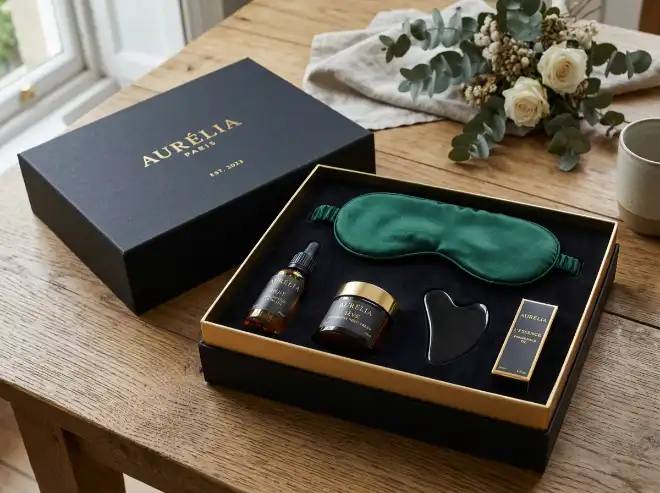
Why this structure feels more formal
A top-bottom box usually feels more formal because the opening is very clear. The lid lifts off, the product sits in the base, and the whole presentation is easy to understand at first glance. That is one reason this box style often works well for premium products that need a straightforward but refined reveal.
Compared with some other rigid packaging styles, it often feels:
- cleaner
- more classic
- more balanced in shape
- less complicated in use
This is also why it sits naturally within broader rigid box packaging rather than simpler folding structures.
Jewelry is one of the strongest fits
Jewelry products often work very well in top-bottom boxes because the structure gives them a calm and formal presentation. Rings, bracelets, pendants, and smaller gift-ready jewelry items all benefit from a box that feels stable and not overly dramatic.
The top-bottom structure works especially well when the brand wants the packaging to feel:
- premium but classic
- gift-ready
- easy to open
- suitable for retail presentation
Some jewelry brands may still prefer a drawer box for a more boutique reveal, but top-bottom boxes are often the cleaner choice when the brand wants a more traditional luxury feel.
Perfume and fragrance products also suit this box style
Fragrance is another strong match. Perfume products usually benefit from packaging that feels structured, protective, and formal. A top-bottom box gives enough rigidity to support that while still keeping the presentation calm.
This is especially useful for:
- single perfume boxes
- premium fragrance gifts
- discovery sets with a stronger presentation focus
- seasonal fragrance launches
Because perfume is already a presentation-sensitive category, the simpler, more refined opening of a top-bottom box often works well.

Candles, wax melts, home fragrance items, and similar products often look stronger in a rigid top-bottom structure than in a simpler carton. These products are often gifted, and they usually rely on presentation as much as practicality.
A top-bottom box can help these products feel:
- more giftable
- more stable in hand
- more suitable for retail display
- more premium without needing too much decoration
For small premium home products, that is often exactly the balance the packaging needs.
Your own product page already positions top-bottom boxes as a strong fit for watch boxes, jewelry boxes, perfume bottle packaging, and similar high-end uses. That makes sense because these products need a rigid structure and a packaging style that feels composed rather than casual. :contentReference[oaicite:6]{index=6}
This also extends naturally to:
- small leather accessories
- premium stationery
- compact electronics accessories
- small ceremonial gift items
These are products where the box often helps confirm the value before the item is even handled.
What kinds of products are less suited?
A top-bottom box is not always the best answer. It may be less suitable when the packaging needs to be highly shipping-led, flatter in storage, or more operationally efficient for large e-commerce runs.
In those cases, another paper packaging structure may make more sense. If shipping practicality is the first priority, a mailer or more transport-aware solution may perform better. If a slower reveal matters more, some brands may choose a drawer box instead.
The point is not that top-bottom boxes are limited. It is that they are best when the project values a classic rigid presentation more than packaging efficiency alone.
The insert often decides whether the box really works
Like many rigid structures, a top-bottom box depends heavily on the inside layout. If the insert is weak, the premium effect drops immediately. If the insert is well designed, the whole box feels much more complete.
This is why a custom box insert matters so much here. It helps:
- hold the product securely
- keep the product centered
- improve presentation when the lid is lifted
- support the overall premium feel of the box
The outer structure creates the first impression, but the insert usually confirms whether that impression is justified.

When gifting matters, this structure becomes easier to justify
A top-bottom box often becomes more worth it when the product is bought as a gift or displayed as a premium object. The structure is clean enough to feel elegant, but straightforward enough not to distract from the product itself.
That is why it often works well for:
- holiday gift items
- luxury accessories
- premium beauty products
- small collectible goods
If the box needs to help create that gift-worthy first impression, this structure is often a strong candidate.
Sampling usually makes the answer obvious
If a brand is unsure whether the product belongs in a top-bottom box, sampling usually makes the answer much clearer. A real sample shows whether the proportions feel right, whether the insert supports the item properly, and whether the product actually looks stronger in this format.
That is one reason gift box manufacturers and packaging teams usually rely on sampling before full production. The box may look right on a layout, but the real test is how it feels once the product is inside.
So what products work best in a top-bottom box?
In general, the products that work best in a top-bottom box are the ones that benefit from a classic rigid presentation: jewelry, watches, perfume, candles, compact premium accessories, and other products that are often gifted or displayed as higher-value items.
These products usually gain something real from the structure. The top-bottom design helps them feel more formal, more stable, and more complete as packaged products rather than just items placed inside a box.
Conclusion
Products for top-bottom box packaging are usually the ones that need a clean, rigid, and gift-ready presentation without a more complicated opening style. Jewelry, fragrance, candles, watches, and compact premium goods are some of the clearest examples.
For brands comparing rigid paper packaging styles, a top-bottom box is often strongest when the product needs a classic premium reveal and a more composed presentation from the moment the lid is lifted.
FAQ
What products are best suited to a top-bottom box?
Jewelry, perfume, candles, watches, and compact premium accessories are some of the strongest fits because they benefit from a clean and formal rigid presentation.
Is a top-bottom box a rigid box?
Yes. It is a classic rigid box style with a separate lid and base, often used for premium packaging and gift presentation.
Do top-bottom boxes need inserts?
Usually yes. A good insert helps improve product fit, protection, and presentation when the lid is removed.
Are top-bottom boxes good for gifting?
Yes. They often work very well for gifting because they feel structured, classic, and easy to open in a formal way.
Should a top-bottom box be sampled before production?
Absolutely. Sampling helps confirm the proportions, insert fit, and overall presentation before the box goes into full production.

