
Luxury packaging usually does not fail in dramatic ways. It fails in quieter ones.
The box looks expensive at first glance, but once you hold it, something feels off. The material is not as refined as expected. The product sits awkwardly inside. The finish is trying too hard. The opening feels stiff. The design looked polished on screen, but the real box does not carry the same confidence. None of these mistakes sound huge on their own, but together they are exactly what stop a gift box from feeling truly premium.
That is why many brands spend a lot on packaging and still end up with a result that feels only halfway there. In luxury packaging, the problem is rarely just “bad design.” More often, it is a series of small choices that were not fully thought through. The good news is that most of these problems are avoidable once you know where they usually begin.
If you are developing premium packaging for beauty, fragrance, gifting, retail, or a special campaign, it helps to recognize the most common luxury gift box packaging mistakes before they show up in sampling or production. That is often the difference between a box that simply looks nice and a box that feels fully resolved.
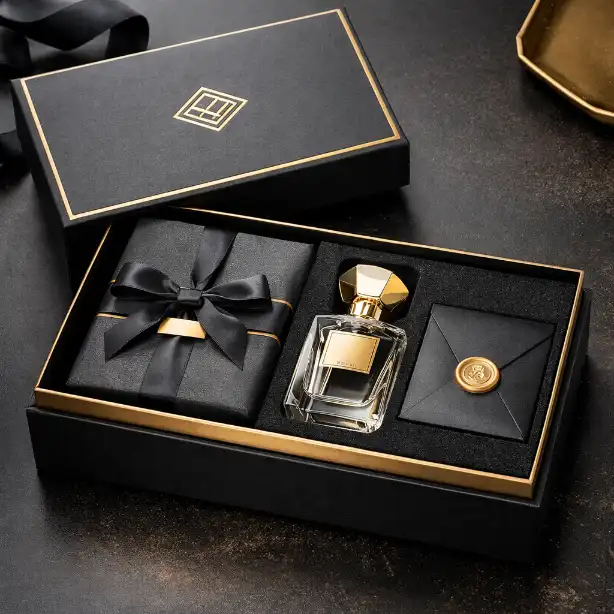
1. Choosing a Box Style Before Understanding the Product
This is one of the earliest mistakes, and it affects everything that comes after. A brand falls in love with a box style first, then tries to force the product into it later. Sometimes it works. Often it does not.
Luxury packaging should start with the actual product. Size, weight, fragility, shape, and how the product should be revealed all matter. A magnetic box, drawer box, lid-and-base box, or foldable rigid box may all look premium, but they do not solve the same job in the same way.
How to avoid it:
Start with the product and the intended experience, not with a reference image alone. Confirm dimensions, weight, and whether the packaging is mainly for gifting, display, e-commerce, or launch presentation before choosing the structure.
2. Making the Box Too Large for the Product
This happens more often than clients expect. The box is made bigger because bigger feels more premium in theory. But once the product is inside, the result feels empty instead of luxurious.
Space can absolutely be part of a premium presentation, but only when it feels intentional. If the product looks lost inside the box, the packaging stops feeling confident and starts feeling inefficient.
How to avoid it:
Use the real product dimensions and build the box around a believable layout. A premium box should feel balanced, not oversized for the sake of drama.
3. Underestimating the Insert
A lot of packaging discussions focus heavily on the outside of the box. The print, the paper, the foil, the logo placement. But inside, the product may still be sitting badly. If the insert is weak, loose, too shallow, too deep, or badly shaped, the whole luxury impression drops fast.
The insert is not just a support part. In premium packaging, it is part of the experience.
How to avoid it:
Treat the insert as part of the design from the beginning. Make sure it protects the product, presents it cleanly, and makes removal easy. If needed, refine the fit through proper structural design before the box moves into production.

4. Using Too Many Premium Effects at Once
This is one of the biggest misunderstandings in luxury packaging. People assume premium means more: more foil, more embossing, more textures, more decorative layers, more visual effects. But in real packaging, too much often pushes the box in the opposite direction.
Luxury usually feels strong because it is edited well. Not because every possible effect was used.
How to avoid it:
Choose one or two details that matter most. A strong paper, a subtle foil logo, or a clean emboss can often create a better result than stacking too many finishes on one surface.
5. Designing for the Front Panel Only
This is a very common packaging mistake. The front looks beautiful, but the side panels, lid depth, inside lid, and base feel like they were barely considered. That may be acceptable in low-priority retail packaging. It is not acceptable in a luxury gift box.
Premium packaging is judged as an object, not just as a front-facing graphic.
How to avoid it:
Review the box from every angle. Top, front, side, interior, opened view. If the design only works in the hero view, it is not fully ready yet.
6. Confusing “Luxury” with “Heavy Design”
Luxury packaging does not need to look complicated. In fact, some of the best premium boxes feel very calm. Clean typography, refined spacing, a confident material choice, and one strong finishing detail can often create a more expensive result than a crowded design full of visual effort.
Brands sometimes make the mistake of trying to prove the box is premium instead of letting it feel premium naturally.
How to avoid it:
Simplify. Ask what can be removed. Premium boxes often improve when unnecessary visual noise is taken away.
7. Ignoring How the Box Actually Opens
A luxury gift box should not just sit well. It should behave well.
If the lid lifts awkwardly, the drawer catches, the flap does not align properly, or the product is hard to remove, the customer feels that immediately. They may not describe it in technical language, but they will feel that the packaging is not as polished as it looks.
How to avoid it:
Open and close the sample repeatedly. Handle it like a customer would. Make sure the reveal feels natural, not forced. A premium box should feel smooth and self-assured in use.
8. Spending the Budget in the Wrong Places
This is a quieter mistake, but a very expensive one. A brand spends on multiple finishes, extra decorative details, or complex graphics, while the more important things stay weak. Maybe the board feels too thin. Maybe the insert is average. Maybe the proportions were never fully solved.
Luxury packaging usually benefits more from the right priorities than from the highest number of features.
How to avoid it:
Spend first on what the customer notices most clearly: structure, fit, material feel, and one or two finishing details that actually elevate the experience. A better board and a better insert often do more than another layer of decoration.

9. Approving Artwork Only on Screen
Screen approval is never enough for luxury packaging. Colors behave differently in print. Foil behaves differently in real light. Textures behave differently in the hand. A layout that feels elegant in a digital mockup may feel flat, crowded, or slightly awkward once it wraps onto a real box.
This is one of the reasons so many premium packaging projects look strong in presentation files but weaker in physical form.
How to avoid it:
Always review the physical sample. Check the color, finish, spacing, and overall mood in real light. Luxury packaging has to work as an object, not just as a visual file.
10. Rushing the Prototype Stage
This is where many avoidable problems slip through. The sample arrives, everyone is busy, the launch calendar is moving, and the box gets approved too quickly because it looks “close enough.” Later, that small compromise becomes a larger production issue.
The sample stage is not just for finding mistakes. It is for deciding whether the packaging actually feels worthy of the product.
How to avoid it:
Take the prototype seriously. Use it to check structure, insert fit, opening feel, material quality, finish behavior, and overall presentation. Good samples and prototyping often save far more than time. They save the whole result.

11. A Mistake Behind Many Other Mistakes: Not Aligning Design and Production Early
A lot of the issues above come from one deeper problem. The brand treats design, structure, artwork, and production as separate conversations instead of one connected project.
When that happens, the outer look may move ahead while the insert remains unclear. The artwork may be approved before the actual wrap logic is checked. The finish plan may grow before the production reality is fully understood.
How to avoid it:
Connect the design conversation to real production planning early. Make sure artwork, structure, and sample review all support each other instead of being handled in isolation. This is where thoughtful packaging artwork design becomes much more than just visual styling.
12. What Luxury Packaging Usually Gets Right
After enough projects, a pattern becomes obvious. The best luxury boxes are rarely the loudest ones. They are the ones where everything feels aligned.
The structure matches the product. The insert feels intentional. The surface feels right in the hand. The finish supports the design instead of shouting over it. The box opens the way it should. Nothing feels random. Nothing feels like it was added because someone panicked and wanted the box to look “more premium.”
That is what makes luxury packaging convincing. Not excess. Alignment.
Conclusion
Luxury gift box packaging mistakes usually happen when brands focus on appearance alone and forget that premium packaging is a full experience. Structure, insert quality, artwork balance, material feel, and prototype review all affect whether the box feels expensive in the way customers actually notice.
The strongest boxes usually come from better judgment, not more decoration. When the product fit is right, the design is controlled, and the sample is reviewed properly, the final packaging has a much better chance of feeling calm, polished, and worth the price it is meant to support.
If you are developing a premium packaging project, it helps to review the box through proper structural planning, refine the visuals through thoughtful artwork setup, and confirm the final experience with real samples and prototypes before mass production begins.
FAQ
What is the most common luxury gift box packaging mistake?
One of the most common mistakes is focusing too much on decoration and not enough on structure, insert fit, and overall packaging experience.
Do more finishes always make a box look more premium?
No. In many cases, too many finishes make the box feel crowded. Premium packaging usually works better when it is more controlled and selective.
Why is the insert so important in a luxury box?
Because the insert affects product protection, presentation, and how premium the inside of the box feels when opened.
Can a good-looking mockup still lead to a weak final box?
Yes. A mockup may look polished on screen, but the real box still depends on material feel, wrap logic, finish quality, and structure.
Why should brands review a physical sample carefully?
Because many packaging issues only become obvious in the real object, including fit, finish effect, opening feel, and overall balance.

