
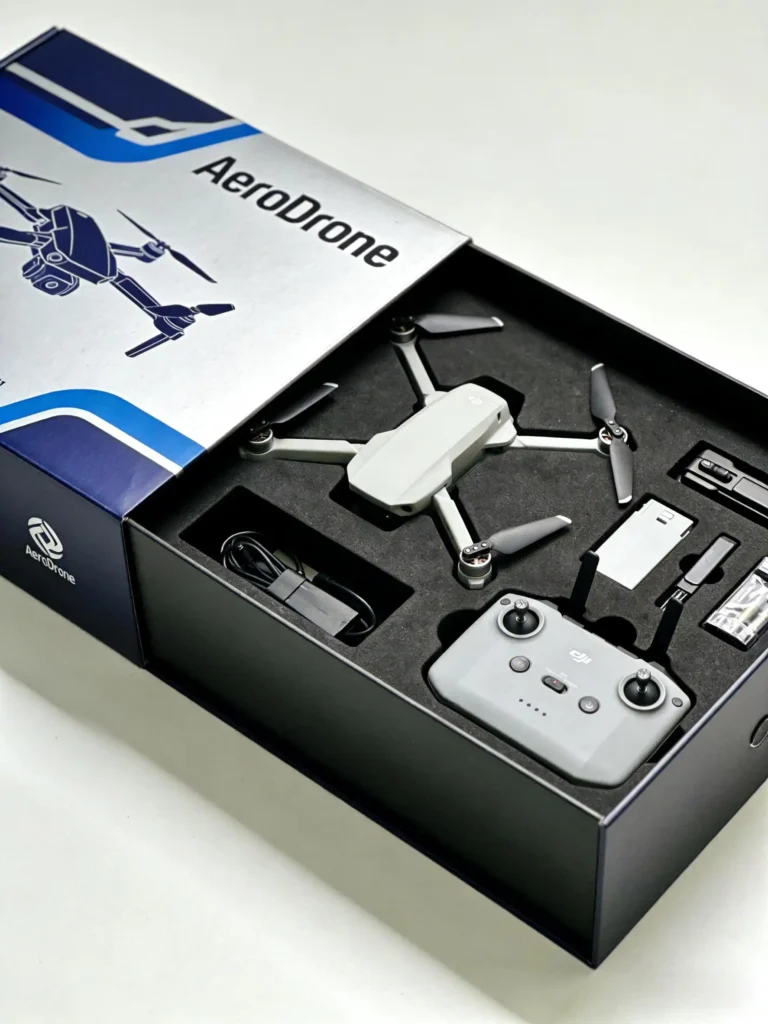
Your drone is a high-tech marvel, but it's also fragile. Getting it from the factory to the customer in one piece is a huge challenge. A broken drone means unhappy customers and lost money.
To create the perfect custom drone box, you must focus on three key areas: superior protection with custom foam inserts, a structural design that fits the drone and all its accessories securely, and a clear, impressive graphic design that enhances the unboxing experience and reflects brand quality.

I've been in the packaging business for over 16 years, and I've seen how crucial the right box is. A great package does more than just protect the product; it delivers an experience. For a product like a drone, that experience starts the moment your customer receives the box. It’s your first and best chance to communicate quality and care. Let's break down how to get it right.
How do you ensure maximum protection for the drone?
Your drone has sensitive electronics and delicate parts. A generic box just won't do. The risk of damage during shipping is too high, leading to costly returns and a damaged brand reputation.
To ensure maximum protection, use high-density foam inserts like EPE or EVA, custom-cut to fit the drone and its accessories perfectly. The outer box should be made from durable corrugated cardboard with a double-wall construction to absorb impacts and resist punctures during transit.

When I first started Giftspack, I worked with a client on packaging for sensitive electronic equipment. We learned the hard way that the space inside the box is just as important as the box itself. For drones, this is even more critical. The product has an unusual shape, with propellers, cameras, and batteries that all need their own secure spot. Polyethylene foam is an excellent choice because it's great for fragile goods and has high load-bearing characteristics, meaning we can use less material to reduce costs [4]. We need to design custom cavities for the drone body, the controller, extra batteries, and cables. This prevents any movement. If the components can't shift, they can't get damaged. Think of it as a custom-made suit of armor for the product. The goal is to make sure that no matter how rough the journey is, the drone arrives looking like it just came off the assembly line.
Key Protective Elements
| Feature | Material | Purpose |
|---|---|---|
| Custom Inserts | EPE or EVA Foam | Securely holds the drone and accessories, preventing movement. |
| Outer Box | Double-Wall Corrugated Board | Provides structural strength and impact resistance. |
| Cushioning | Foam corner protectors | Adds extra shock absorption for drops and bumps. |
| Surface Protection | Anti-static bags | Protects sensitive electronics from static discharge. |
How do you balance functional design with branding?
A box that only protects the drone is a missed opportunity. Your packaging needs to do more. It needs to reflect your brand's quality and create an exciting unboxing experience, but this can be hard to achieve without driving up costs.
Balance function and branding by integrating your brand's visual identity directly into the functional design. Use structural elements, like a hinged lid or custom trays, to present the product impressively. Print high-quality graphics and logos on both the exterior and interior of the box to create a premium feel.
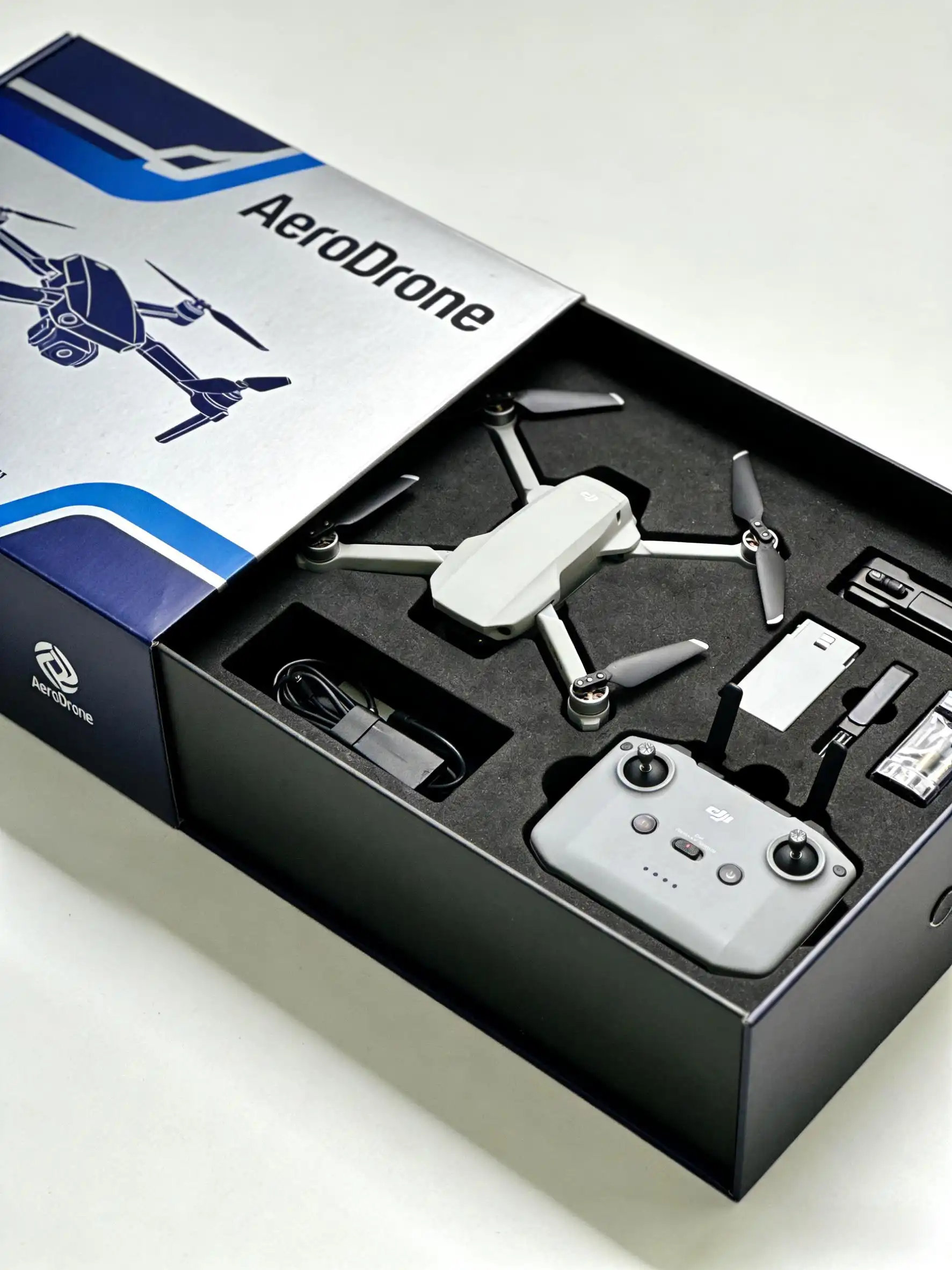
I remember working with a designer like Peter who was struggling with this exact problem. He had a great protective design, but it felt plain. It didn't have that "wow" factor. We decided to think about the unboxing process as a journey. When the customer opens the lid, what do they see first? We designed a multi-layered insert system. The drone was the hero, visible right away. The accessories were neatly stored in a separate tray underneath. We printed a welcome message on the inside of the lid and used the brand’s colors throughout the interior. This didn't add much to the cost, but it completely transformed the experience. The box went from being a simple container to part of the product itself. It’s about making the customer feel smart for choosing your brand before they even turn the drone on.
Design and Branding Integration
To help designers like Peter, I often suggest a simple checklist.
- Structural Unboxing: How does the box open? Does it build excitement? A simple tuck-top box is functional, but a magnetic closure rigid box feels much more premium.
- Interior Graphics: Don't leave the inside blank. A printed pattern, a thank you message, or setup instructions can make a huge difference.
- Material Finish: Think about the texture of the box. A matte laminate finish feels modern and sophisticated, while a gloss finish can make colors pop.
- Accessory Organization: Are cables just thrown in, or are they neatly organized in a separate compartment? These small details show that you care about the entire product experience.
What are the most important material choices?
Choosing the right materials can feel overwhelming. You need something strong, lightweight, and maybe even eco-friendly. Making the wrong choice can lead to damaged products or packaging that feels cheap, undermining the high-tech product inside.
The most important material choices are a strong, multi-layered corrugated board for the outer box and high-density, shock-absorbent EPE (Expanded Polyethylene) foam for the interior inserts. These materials provide the best combination of protection, durability, and a professional feel for sensitive electronics like drones.

When you’re designing packaging for a product worth hundreds or even thousands of dollars, you can't cut corners on materials. I’ve seen companies try to save a few cents per box by using a thinner corrugated board, only to lose much more in returned, damaged products. For drones, I always recommend a B-flute or E-flute corrugated for the box itself. It gives a great, smooth surface for printing high-quality graphics while still being very strong. For the inserts, EPE foam is the industry standard for a reason. It is lightweight, which helps keep shipping costs down, but it provides incredible cushioning against shocks and vibrations. It’s also resilient, meaning it can take a hit and return to its original shape. This is critical for reusable packaging that might be used to store the drone long-term [3]. It’s a solution that protects the product and communicates quality.
Comparing Insert Materials
| Material | Pros | Cons | Best For |
|---|---|---|---|
| EPE Foam | Excellent shock absorption, lightweight, moisture resistant. | Can be more expensive than other options. | High-value electronics requiring maximum protection. |
| Molded Pulp | Eco-friendly, biodegradable, good for nesting shapes. | Less resilient to sharp impacts, can create dust. | Brands focused on sustainability, lighter-weight drones. |
| Corrugated Inserts | Recyclable, low cost, easily customized. | Less protective against vibration and drops. | Low-cost drones or organizing accessories within the box. |
Conclusion
Creating the perfect drone packaging is about finding the right balance between protection, branding, and material science. It ensures your product arrives safely and impresses your customer.

