

Your brand screams luxury, but your customers demand sustainability. This conflict feels impossible, leaving you stuck between cheap-looking eco-options and wasteful but beautiful traditional packaging.
The solution lies in smart material choices and sophisticated design. You can achieve a premium, eco-friendly result by using high-quality recycled paperboard, molded pulp inserts, and FSC-certified stocks, combined with minimalist aesthetics and sustainable printing techniques. This creates an unboxing experience that feels both luxurious and responsible.

After more than 16 years in the packaging industry, I've seen trends come and go. But the shift towards sustainability isn't a trend; it's a fundamental change in consumer values. Brands that ignore it will be left behind. The good news is, you don't have to sacrifice a premium feel to be environmentally conscious. In fact, some of the most innovative and beautiful packaging solutions I've worked on have been born from these constraints. Let's dive into some practical ideas that my team at Giftspack has seen work wonders for our clients, turning potential challenges into powerful brand statements.
You want to use recycled or Kraft paper, but worry it will look cheap. This fear of damaging your brand's luxury perception can stop a great sustainable idea in its tracks.
The secret is in the execution. With the right design and finishing touches, these humble materials can be transformed into packaging that exudes elegance and tells a powerful story about your brand’s values.
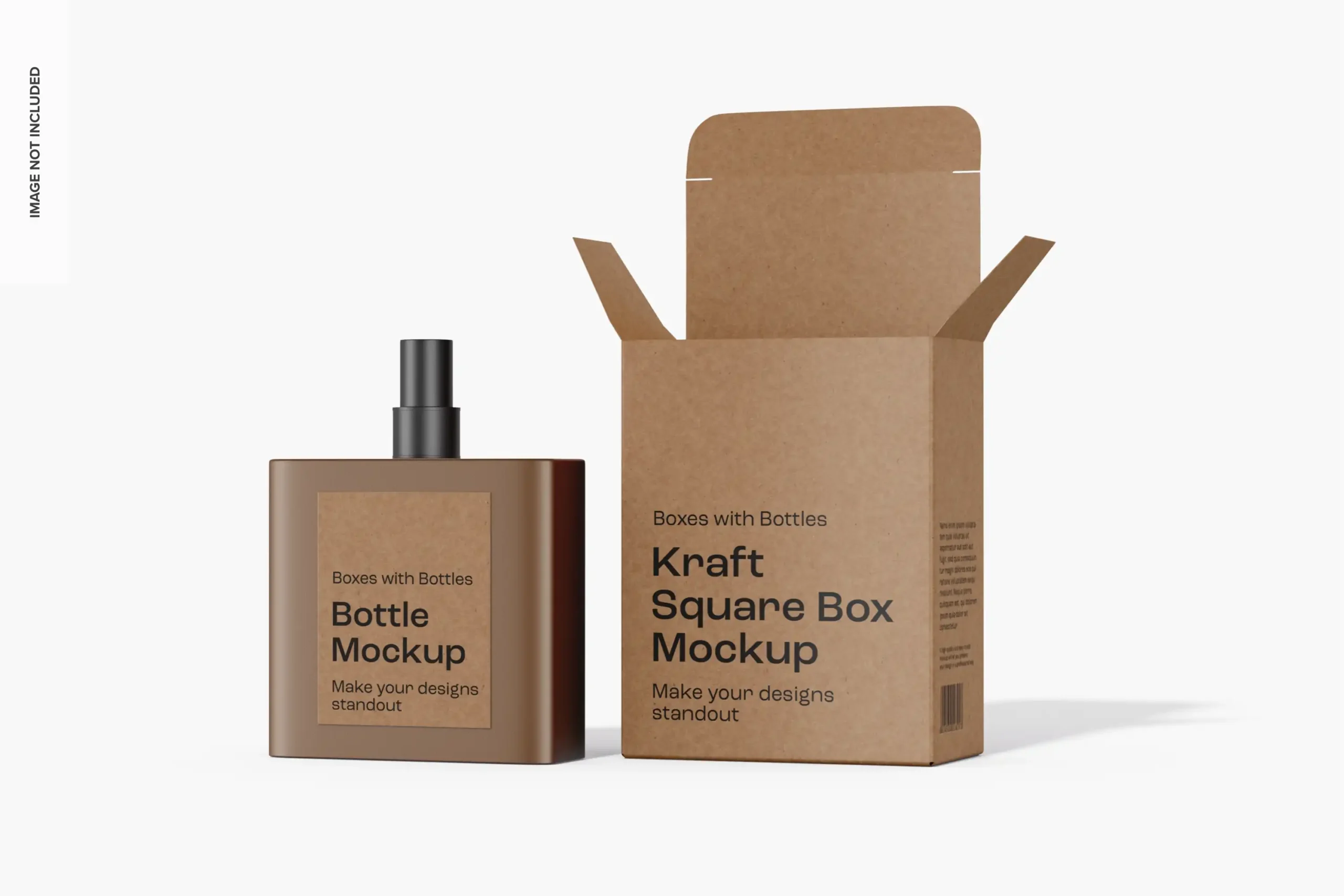
In my experience, the texture and feel of a box are just as important as the visuals. Recycled and FSC-certified papers offer a tactile experience that plastic or heavily coated stocks can't match. When a customer holds a box made from high-quality recycled paper, they feel the natural fibers and a sense of authenticity. The key is to elevate this base material. We've had great success with clients who were initially skeptical about moving away from glossy, laminated boxes.
Elevating Recycled Materials
To make these materials feel luxurious, we focus on the finishing. Techniques like blind debossing (pressing a design into the paper without ink) or using a single, elegant metallic foil stamp can create a stunning contrast against the raw texture of the paper. This minimalist approach often looks more sophisticated than a box covered in complex graphics. It signals confidence and quality. For custom perfume boxes, the structural design is also crucial. A perfectly engineered box with crisp edges and a satisfying magnetic closure, made from recycled paperboard, feels far more premium than a flimsy, standard box.
Material Selection Comparison
Choosing between different paper options depends on your specific brand aesthetic and budget. Here’s a quick breakdown I often share with designers:
| Feature | Kraft Paper | Recycled Paperboard |
|---|---|---|
| Aesthetics | Raw, natural, rustic look. | Can be dyed or printed; more versatile. |
| Durability | Very strong and tear-resistant. | Sturdy and excellent for structural integrity. |
| Printability | Best for dark, bold graphics. | Excellent for a wide range of colors/finishes. |
| Cost | Generally very cost-effective. | Slightly higher cost but more premium feel. |
Is plantable seed paper packaging more than just a gimmick?
You've seen seed paper, but it feels like a novelty. You worry customers will see it as a gimmick, not a genuine feature, potentially cheapening your brand's image.
When aligned with your brand's story, plantable packaging becomes a powerful, memorable experience. It’s a gift that keeps on giving, creating a deep emotional connection long after the perfume is opened.
I’ll admit, the first time a client asked about seed paper, I was also a bit skeptical. Is it durable enough? Will the seeds actually grow? But after developing a few projects with it, I see its unique power. It’s not right for every brand, but for those with a natural, botanical, or eco-conscious identity, it’s a game-changer. It transforms the packaging from something to be thrown away into an interactive experience. This is more than packaging; it's a story.
Brand Story Alignment
The most successful use of seed paper is when it directly connects to the product inside. Imagine a perfume with floral notes packaged in a box that grows into wildflowers, or a scent with herbal notes in a box that grows into basil or mint. This creates a beautiful, circular story that customers love to share. It's not just sustainable; it's poetic. We worked with a niche perfumer whose signature scent was rose, and we created a simple belly band for their box made of paper embedded with poppy seeds. It was a huge success because it felt authentic to their brand.
Practical Design Challenges
As a designer, you need to be aware of the limitations.
- Printing: You can't use heavy ink coverage or complex, full-color graphics, as it can damage the seeds. Simple, elegant line art or text printed with soy-based inks works best.
- Durability: Seed paper isn't as rigid as paperboard, so it’s best used for wraps, tags, or inserts rather than the main structural box.
- Communication: You must include clear, simple instructions on how to plant the paper. This turns a potential point of confusion into a fun, guided activity for the customer.
How do you protect fragile bottles without using plastic or foam?
Perfume bottles are delicate and often oddly shaped. The standard solution is a plastic vacuum tray or foam insert, which is terrible for the environment and feels cheap.
Molded pulp inserts are the perfect solution. Made from recycled paper or bamboo, they can be custom-molded to any shape, offering superior protection while being 100% biodegradable and compostable.

This is one of my favorite sustainable innovations because it solves a very practical problem so elegantly. For years, the industry relied on EVA foam or plastic trays. They worked, but they always felt like a disconnect, especially for brands promoting natural ingredients. When we first introduced custom molded pulp to our clients, it was a lightbulb moment for them. They could finally offer a fully plastic-free unboxing experience without compromising on the safety of their product.
The Power of Customization
Unlike one-size-fits-all inserts, molded pulp is created from a custom mold of your specific bottle. This means the fit is perfect, cradling the product securely and preventing any movement during shipping. The precision of the fit provides shock absorption that is often even better than foam. We can design these inserts to have a smooth, refined finish or a more raw, textured feel, depending on what best suits your brand’s aesthetic. This level of customization makes the product feel incredibly secure and well-considered.
Material and Aesthetic Benefits
Beyond protection, molded pulp offers a unique tactile and visual appeal. It has a soft, fibrous texture that feels organic and high-end. It can also be produced in a variety of natural colors, from off-white to kraft brown or even charcoal gray. This allows it to be integrated seamlessly into your overall eco-friendly packaging design.
| Feature | Molded Pulp Inserts | Plastic/Foam Inserts |
|---|---|---|
| Protection | Excellent; custom fit offers high shock absorption. | Good, but can be rigid and less form-fitting. |
| Sustainability | 100% biodegradable and recyclable. | Landfill waste; difficult or impossible to recycle. |
| Aesthetics | Natural, premium, and textured feel. | Often looks cheap, synthetic, and generic. |
| Customization | Highly customizable to any shape and color. | Limited to stock molds or very high tooling costs. |
Does 'less is more' really work for sustainable luxury?
Luxury is often associated with excess—big boxes, layers of tissue, ribbons. You're afraid a minimalist design will look sparse or cheap, not luxurious and intentional.
Minimalism in packaging isn't about being cheap; it's about confidence. It communicates that the product is so good, it doesn't need excessive packaging to prove its worth.
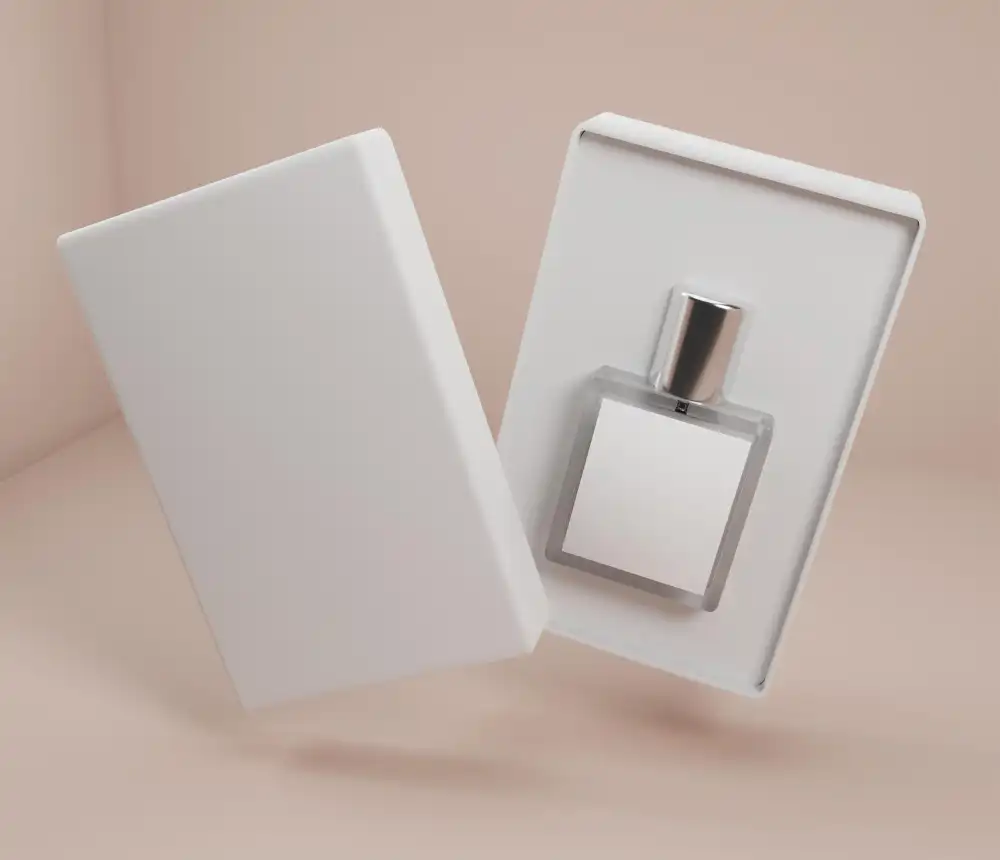
I've sat in many design meetings where the client's first instinct is to add more—more foil, more layers, a bigger box. My job is often to guide them towards the power of restraint. A truly luxurious experience is often a simple one. Think about the most iconic luxury brands; their packaging is often incredibly simple. This isn't an accident. A clean, uncluttered design draws all the attention to the high-quality material, the perfect construction of the box, and the beautiful product inside. It's a quiet luxury that speaks volumes.
The Strategy of Reduction
Minimalist design is a powerful sustainability tool because it focuses on reducing material usage from the start. This approach has several benefits:
- Less Waste: By eliminating unnecessary layers, sleeves, and inserts, you immediately reduce the amount of material that ends up in the landfill.
- Lower Weight: A lighter package reduces shipping costs and the carbon footprint associated with transportation.
- Focus on Quality: When you remove visual clutter, the quality of the materials and the precision of the construction become the main focus. A perfectly crafted box from beautiful paper stock needs no other adornment.
Executing Minimalist Luxury
For a designer like Peter, executing this style requires a focus on details. It's not just about removing elements; it's about perfecting what remains.
- Typography: Choose a single, beautiful font and give it room to breathe. The typography becomes a primary design element.
- Material Choice: The texture and color of the paper are critical. A heavily textured, uncoated paper in a subtle color can be more impactful than a bright, glossy design.
- Finishing Touches: Use one special finish sparingly for maximum impact. A tiny, precisely placed foil stamp or a blind embossed pattern adds a touch of sophistication without being loud. This is a core part of our philosophy for luxury packaging solutions.
Are your printing choices undermining your green materials?
You've chosen the perfect recycled paper, but you're still using standard petroleum-based inks and laminations. This hidden contradiction can compromise your entire sustainability effort.
To be truly eco-friendly, your printing process must match your materials. Opt for soy-based or vegetable-based inks and water-based coatings. They reduce harmful emissions and make the packaging easier to recycle.

This is a detail that often gets overlooked, but it's incredibly important. I've seen beautifully designed boxes made from 100% recycled paper that couldn't be recycled themselves because they were covered in a plastic-based lamination. It’s a frustrating and completely avoidable problem. As packaging specialists, we always advise our clients to think about the entire lifecycle of the box. The inks, glues, and coatings are just as much a part of the package as the paper itself.
The Problem with Conventional Inks and Coatings
Traditional printing inks are petroleum-based. They contain high levels of Volatile Organic Compounds (VOCs), which are harmful pollutants released into the atmosphere during the printing process. Similarly, many coatings and laminates used to give boxes a glossy or matte finish are essentially a thin layer of plastic, which makes the paperboard non-recyclable. This completely defeats the purpose of choosing a sustainable material in the first place. It’s a critical point for any designer aiming for true sustainability.
The Superior, Sustainable Alternatives
The technology for eco-friendly printing has improved dramatically. You no longer have to sacrifice quality.
| Printing Choice | Environmental Impact | Performance Notes |
|---|---|---|
| Soy/Vegetable Inks | Low VOCs, biodegradable, made from a renewable resource. | Colors can be just as vibrant as petroleum inks. Easier to de-ink during recycling. |
| Water-Based Coatings | Zero or very low VOCs, non-toxic, and don't hinder recyclability. | Provide excellent scuff resistance and are available in gloss, satin, or matte finishes. |
| Petroleum Inks | High VOCs, non-renewable resource, contributes to air pollution. | Can be difficult to remove during the recycling process, contaminating the paper pulp. |
| Plastic Laminates | Renders paper non-recyclable, derived from fossil fuels. | Creates a plastic barrier that prevents the paper fibers from breaking down. |
Choosing the right inks and coatings is a simple switch that makes a huge impact. It ensures that your beautifully designed, eco-conscious box can actually complete its lifecycle and be turned into something new.
Conclusion
Sustainable perfume packaging is not a compromise. It’s a creative opportunity. By choosing the right materials and design, you can create a truly memorable and responsible brand experience.


